Show summary Hide summary
- 🔥 Quick Facts
- When a Winner Becomes a Judge: The Unexpected Challenge
- Lionel Richie Reveals Carrie’s Real Struggle: Saying ‘No’
- The Balancing Act: Tough Love Meets Genuine Support
- From Contestant to Judge: Why Carrie’s Journey Matters Most
- What Does This Reveal About the Future of American Idol Judging?
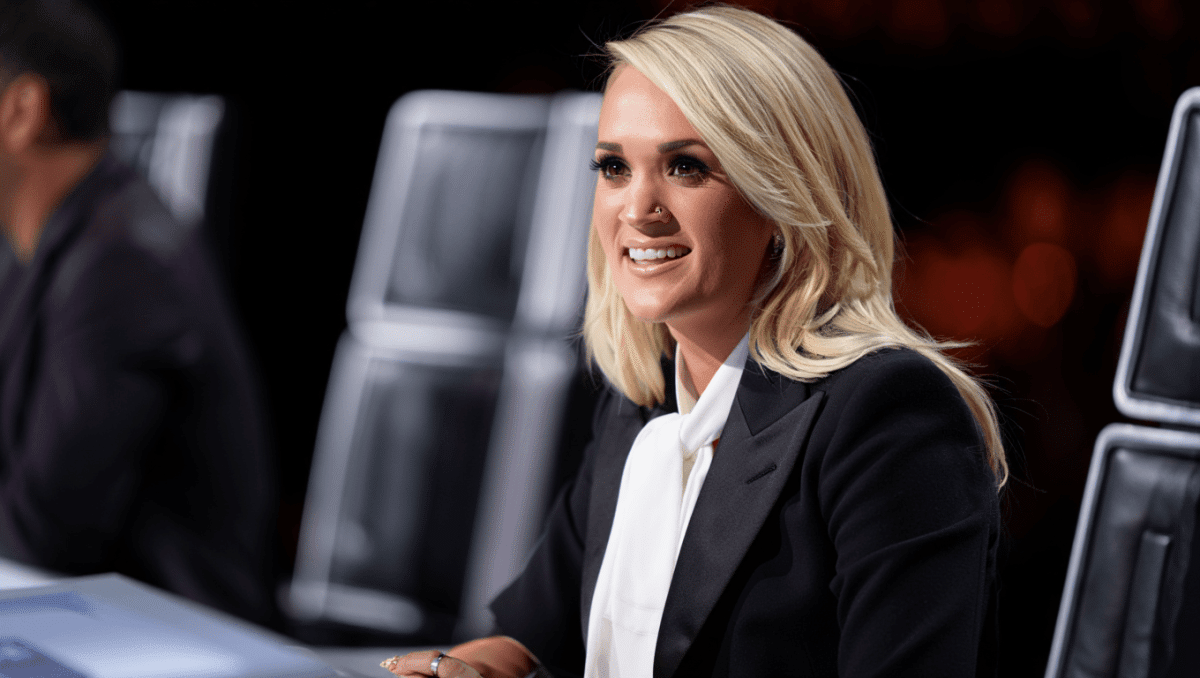
Carrie Underwood faced an unexpected emotional hurdle when she took the American Idol judge seat. Lionel Richie just opened up about why saying “No” was the toughest challenge for the country legend. Learn what changed everything for this former finalist competing as a judge.
🔥 Quick Facts
- The Struggle: Carrie found it difficult to reject contestants during auditions on American Idol Season 23
- Timeline: It took her approximately halfway through her first season to master tough judging calls
- Expert Insight: Lionel Richie revealed the emotional challenge reflects Carrie’s empathy for contestants
- Why It Matters: Her unique perspective as an Idol winner brings valuable mentorship to the judging panel
When a Winner Becomes a Judge: The Unexpected Challenge
Carrie Underwood made history in 2024 when she became the first American Idol champion ever to join the judging panel. The country superstar, who won Season 4 back in 2005, brought unmatched credibility to the role. Alongside Lionel Richie and Luke Bryan, she promised fresh energy to the iconic show.
But what seemed like a natural fit turned out to be emotionally complex. During her debut season, Underwood discovered that critiquing contestants came with unexpected weight. Having walked the same path they were walking, she understood their dreams in ways other judges could not.
Carrie Underwood struggled to say ‘No’ as American Idol judge, Lionel Richie confirms
Oba Femi defeats Otis in Open Challenge on Raw, continues dominance
Lionel Richie Reveals Carrie’s Real Struggle: Saying ‘No’
Speaking to US Weekly, Lionel Richie shed light on Carrie’s biggest hurdle: “I think for her, the toughest part was saying ‘No.’ It took her about halfway through her first season.” The observation captured how challenging the judge’s role became for someone shaped by the show’s supportive community.
Underwood came from American Idol‘s softer era, where constructive feedback mattered as much as tough critiques. This mindset initially made her reluctant to deliver the necessary rejections contestants needed to hear. Over time, she learned that honesty and encouragement could coexist on the judging panel.
The Balancing Act: Tough Love Meets Genuine Support
| Aspect | Lionel’s Perspective |
| Judging Philosophy | “We’re here to encourage, not tear them down, but not lie to them” |
| Carrie’s Unique Value | She knows the pressure and anxiety contestants face firsthand |
| Panel Dynamic | Contestants get both tough feedback and emotional support from survivor of the journey |
| Emotional State | Contestants arrive “slightly broken” and need encouragement before hard truths |
Richie emphasized that the panel’s role extends beyond critique. “They’re already slightly broken when they come to us. So they sometimes need mom, dad and the cousin and the uncle before they need somebody with an authoritative scare, you to death.” This philosophy helped Carrie understand that rejection could be delivered with compassion.
“Carrie’s bringing a dynamic that Luke and I don’t know anything about called, ‘She’s been here before.’ She knows the pressure and the anxiety.”
— Lionel Richie, American Idol Judge
From Contestant to Judge: Why Carrie’s Journey Matters Most
Underwood’s transition from winner to judge proved more nuanced than expected. Her two seasons on the panel have shown remarkable growth as she learned to balance honesty with her natural empathy. The growth was not instantaneous, but by mid-season one, Carrie found her voice as a judge.
Lionel praised her evolution, noting that her experience sets her apart. Unlike judges who studied music professionally, Underwood lived through the American Idol pressure cooker. She understood the mental game, the self-doubt, the joy of validation. This authentic perspective became her greatest strength on the panel, making her feedback particularly valuable to contestants.
What Does This Reveal About the Future of American Idol Judging?
The challenge Carrie faced raises interesting questions about the show’s evolution. As American Idol continues into Season 24 and beyond, will future judges include more alumni? Does being an Idol graduate provide essential credibility, or does it complicate the judging process?
Richie’s comments suggest the latter. By having Underwood on the panel, contestants gain access to someone who truly understands their journey. This human element transforms the show from pure talent competition into a mentorship platform. As American Idol reaches two decades of success, integrating past winners may reshape how the show develops future stars.