Show summary Hide summary
Spike Lee just defended the Michael biopic after its record-breaking $97.2 million opening weekend. The Oscar-winning director said critics who demanded inclusion of later allegations simply misunderstand the film’s creative focus and timeline.
🔥 Quick Facts
- Opening Weekend: $97.2 million domestic, biggest biopic opening ever
- Global Total: Crossed $424 million by May 3, 2026
- Second Highest: Now the second-highest-grossing musical biopic, surpassing Elvis
- Timeline Defense: Film ends in 1988, allegations occurred seven years later
Spike Lee Shuts Down the Critics Over Timeline Argument
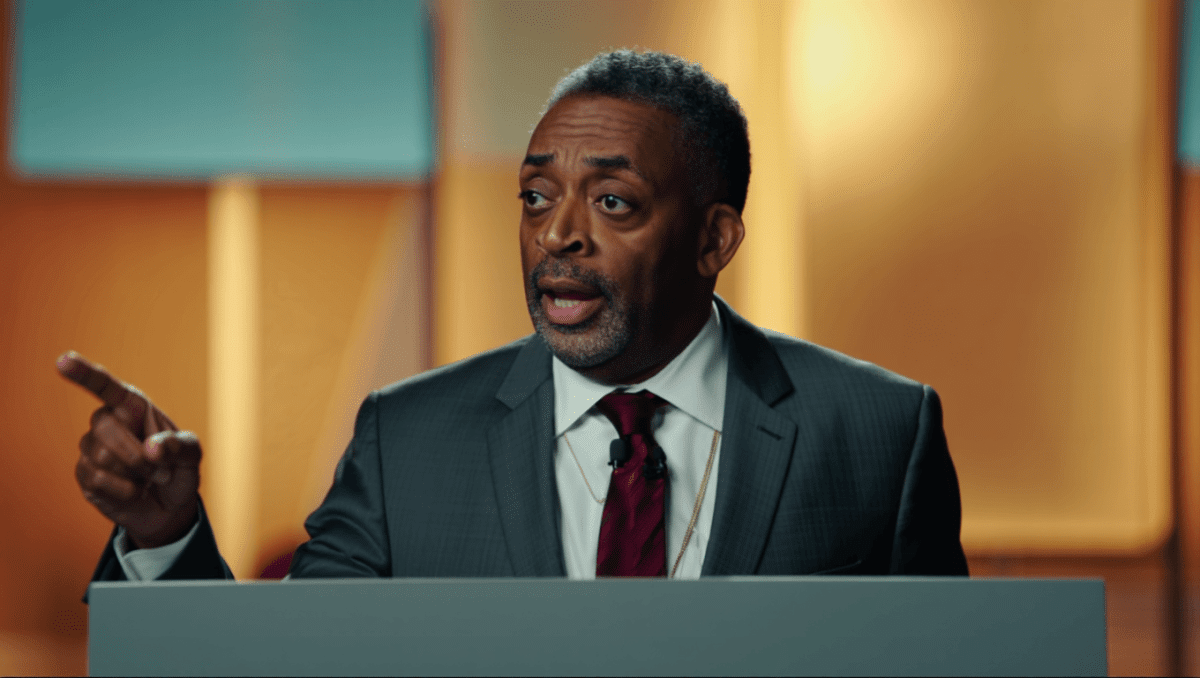
The legendary filmmaker of Do the Right Thing told CNN that critics attacking the film for omitting child sexual abuse allegations are fundamentally misunderstanding its scope. Lee, who worked with Michael Jackson directly on music videos and documentaries, emphasized the film’s intentional narrative boundaries. He points out that the movie ends in 1988, five years before the first allegations surfaced against Jackson.
Lee stated, “So you’re critiquing the film on something that you want in, but it doesn’t work in the timeline of the film.” The statement resonates with audiences who have shown up in unprecedented numbers. The director watched the film twice and said plainly, “Love it.”
Spike Lee defends Michael biopic after record-breaking $97.2M opening
Jennie wears custom Chanel to Met Gala in New York for fourth consecutive appearance
Box Office Numbers Prove Critics Wrong, Lee Argues
The film’s success speaks louder than negative reviews for Lee. In just 10 days, Michael crossed the $400 million mark globally, a stunning achievement for any biopic. The $97.2 million domestic opening shattered the record previously held by musical biopics, landing between major fantasy and superhero releases in scope.
Lionsgate‘s ambitious project continued its dominance into a second weekend with $45 million domestically, showing sustained audience interest. By end of business Sunday, May 3, 2026, the worldwide total had reached $423.9 million, with domestic earnings at $183.8 million.
The Movie’s Strategic Focus and What Critics Are Missing
| Element | Details |
| Film Span | 1966 to 1988 |
| Director | Antoine Fuqua |
| Star | Jaafar Jackson (nephew) |
| Key Theme | Rise from Jackson 5 to solo superstardom |
Director Antoine Fuqua explained that the film intentionally excludes allegations to maintain narrative coherence. The story focuses on Jackson’s relationship with his father and his emergence as a solo artist. Fuqua revealed that a sequel could explore later controversies, effectively two-parting the story for maximum impact.
The original cut apparently ran over 3.5 hours and included scenes involving an accuser, but legal settlements prohibited dramatization of specific allegations. The Jackson estate, which greenlit the project, recognized the narrative constraints and supported the timeline focus.
“First of all, if you’re a movie critic, and you’re complaining about the stuff, all this other stuff, but the movie ends at 1988. The stuff you’re talking about, accusations, happen later. So you’re critiquing the film on something that you want in, but it doesn’t work in the timeline of the film. But people showed up. Worldwide, people showed their love.”
— Spike Lee, Oscar-winning director, to CNN
Lee’s Personal Connection to Jackson and Praise for the Cast
Lee brings authentic credibility to his defense. He directed the iconic music video for Jackson’s 1996 track “They Don’t Care About Us” and helmed two acclaimed documentaries: “Bad 25” and “Michael Jackson’s Journey from Motown to Off the Wall.” His emotional connection to Jackson runs deep across decades.
The filmmaker expressed genuine affection for Jackson and Prince, calling them “my brothers” and “beautiful, beautiful people.” Lee particularly praised Jaafar Jackson’s performance, noting the nephew captures his uncle’s mannerisms and artistry with remarkable precision. Fans globally have agreed, turning out in historic numbers.
Will the Box Office Victory Silence the Critical Debate?
Despite the record-breaking numbers and director endorsements, the critical conversation around Michael shows no signs of cooling. Some argue that box office success does not excuse what they perceive as narrative omissions. Others counter that biographical films naturally make editorial choices and Jackson deserves artistic representation beyond his legal troubles.
Lee’s defense anchors the pro-film narrative with industry weight. By arguing that critics are applying documentarian standards to a dramatically focused biopic, he reframes the entire conversation. The question becomes not whether allegations happened (they did), but whether a film set in 1986-1988 has the responsibility to include events occurring five years later.
Sources
- Deadline Hollywood – Spike Lee’s CNN interview defending Michael timeline and omissions
- USA Today – Director’s defense of film over child abuse allegations criticism
- The Source Magazine – Box office figures and Lee’s statements as Michael passes $423M globally