Show summary Hide summary
- What Prosecutors Say Happened
- The Defense’s Strategy
- Prosecution vs. Defense: The Evidence Scorecard
- The First Trial: What the Hung Jury Tells Us
- The Co-Defendant's Plea: A Mixed Signal
- The Dropped Charges: What Was the State Thinking?
- The Death Penalty: Why It's Unlikely
- Full Case Timeline
- The Bottom Line
- Defendant: Jamell Demons (YNW Melly), born May 1, 1999 in Gifford, Florida
- Charges: Two counts of first-degree premeditated murder
- Victims: Christopher Thomas Jr. (YNW Juvy) & Anthony Williams (YNW Sakchaser)
- Incident date: October 26, 2018 in Miramar, Florida
- In custody since: February 13, 2019 — over 7 years without conviction
- First trial outcome: Hung jury, mistrial declared July 22, 2023 (9–3 split)
- Retrial scheduled: January 2027, Broward County, FL
- Possible sentence: Life without parole or the death penalty

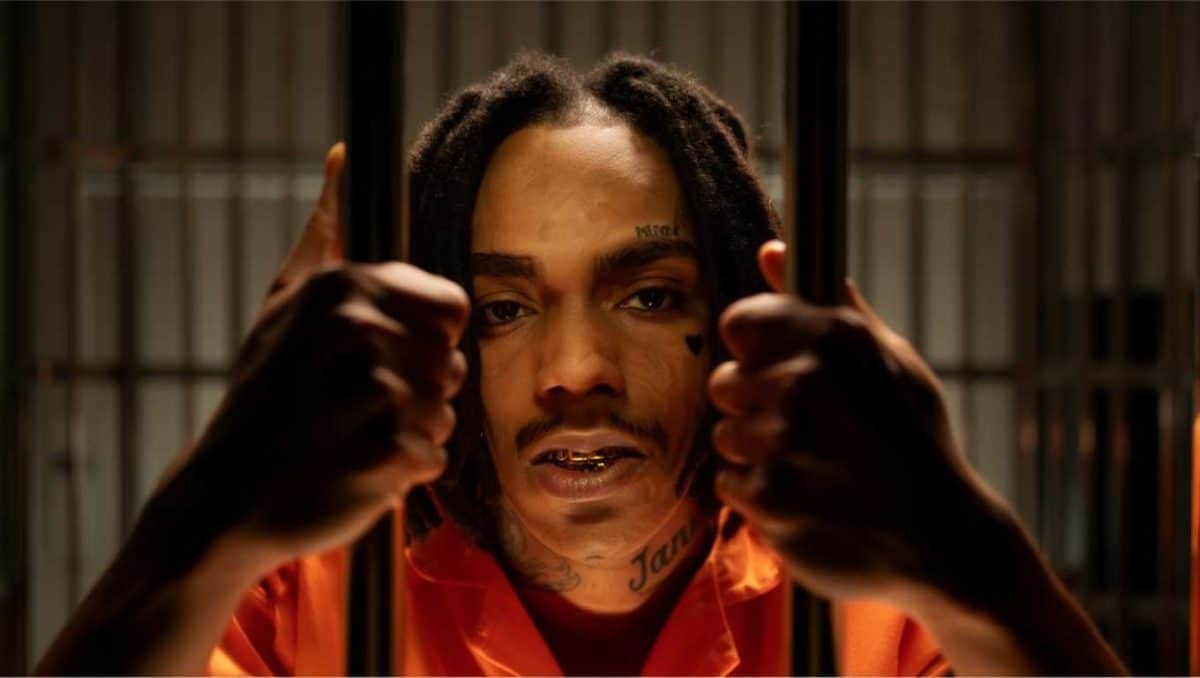
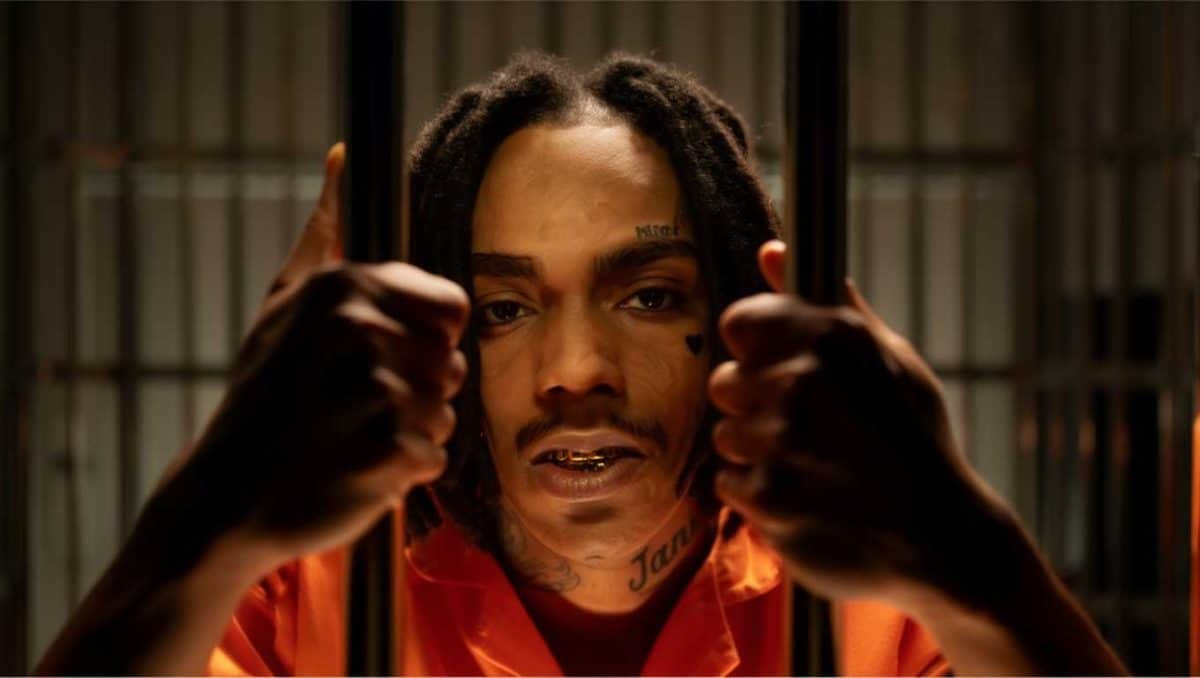
Jamell Demons — the rapper the world knows as YNW Melly — turned 27 years old on May 1, 2026, inside a Broward County jail cell. He has been there since February 2019, charged with two counts of premeditated first-degree murder in the deaths of his childhood friends Christopher Thomas Jr. (YNW Juvy) and Anthony Williams (YNW Sakchaser). His retrial, set for January 2027, will be one of the most-watched criminal cases in hip-hop history. But behind the celebrity and social media noise lies a genuinely complicated legal picture — one where the prosecution has real evidence, the defense has real openings, and the outcome is far from certain.
What Prosecutors Say Happened
The state’s theory is direct: on the night of October 26, 2018, after a late recording session in Fort Lauderdale, Melly and co-defendant Cortlen Henry (YNW Bortlen) shot both men inside a Jeep SUV on a desolate road in Miramar. They then allegedly staged the scene to look like a drive-by shooting — repositioning the bodies and driving to a nearby hospital where Henry claimed the men had been victims of random street violence.
Prosecutors backed this narrative with forensic evidence arguing the bullet angles were inconsistent with an exterior attack, surveillance footage placing Melly in the Jeep with the victims, cell phone records tracking his movements, and perhaps most damaging: a direct message Melly allegedly sent reading “Shhh. I did that.”
“After four years of investigation, their answer is: ‘I dunno.’ That’s the first indication they’re just guessing and don’t know what they’re talking about.”
— Defense Attorney David A. Howard, 2023 Trial Opening Statement
The Defense’s Strategy
Melly’s defense has hammered two core arguments: there is no established motive, and the forensic case is riddled with gaps. Attorney Howard argued at trial that the state spent years investigating and still couldn’t explain why Melly would murder two of his closest friends. The defense also presented an alibi witness — Adrian Davis — who claimed Melly had left the Jeep and was with him at Melly’s home when they found out about the deaths together that morning.
Beyond reasonable doubt, the defense holds a potentially explosive procedural card: lead detective Mark Moretti allegedly executed a search warrant on Melly’s mother’s phone outside his jurisdiction, potentially rendering key digital evidence inadmissible. If that suppression motion succeeds, it could gut a central pillar of the prosecution’s case.
Prosecution vs. Defense: The Evidence Scorecard
- Bullet angles inconsistent with drive-by
- “Shhh. I did that” Instagram DM
- Surveillance placing Melly in the Jeep
- Cell phone tower location data
- Money dispute texts with victim weeks prior
- Co-defendant's plea confirms staging narrative
- No clear motive ever established
- Alibi witness places Melly elsewhere
- Potentially illegal search warrant
- DNA evidence described as inconclusive
- Cell tower data disputed as imprecise
- First jury deadlocked — precedent for retrial
The First Trial: What the Hung Jury Tells Us
The 2023 trial is the single most important data point for predicting what happens in 2027. After weeks of testimony, the jury deliberated for fourteen hours across three days and still couldn’t reach a unanimous verdict — even after the judge issued an Allen charge, a directive urging jurors to push harder toward agreement. A juror later revealed the split: 9 in favor of convicting on manslaughter, 3 holding out entirely.
This is critical. The majority of jurors didn’t even reach first-degree murder — they leaned toward the lesser charge of manslaughter. And three refused to convict on anything. That result doesn’t suggest a slam-dunk case. It suggests a jury that believed something happened, but was deeply divided on what, exactly, and on what charge it could justifiably apply.
The Co-Defendant's Plea: A Mixed Signal
In September 2025, Cortlen Henry accepted a deal — pleading no contest to accessory after the fact and witness tampering, with murder charges dropped. He was sentenced to 10 years. On the surface this looks bad for Melly: it validates the prosecution’s staging claim. But if Henry — the man who drove the bodies to the hospital — was only an accessory, it concentrates culpability on Melly without giving the state its most natural inside witness. Henry’s cooperation was limited, and he’s now sentenced.
The Dropped Charges: What Was the State Thinking?
Following the mistrial, prosecutors added four charges: witness tampering, directing criminal gang activity, solicitation to commit murder, and conspiracy to tamper in a capital case. Then, on January 20, 2026 — one day before retrial was to begin — they dropped all four. Defense attorneys noted they’d been held for 652 days before being abandoned at the courthouse steps. The abrupt dismissal raises a legitimate question about how solid those charges ever were.
The Death Penalty: Why It's Unlikely
Florida’s updated law — signed under Governor DeSantis — lowered the threshold for a death recommendation from unanimous to 8 of 12 jurors. This was considered a potential game-changer for this case. But context matters: if the first jury couldn’t unanimously agree on manslaughter, reaching eight votes for death in 2027 requires the prosecution to fundamentally outperform its 2023 showing — with a different jury, cleaner evidence, and a more compelling narrative.
Most Likely Outcomes — Ranked
Full Case Timeline
The Bottom Line
The YNW Melly case is not the open-and-shut death penalty slam-dunk that social media often portrays. The prosecution has tangible evidence — forensics, surveillance, and what looks like a confession in a DM. But the defense has real tools: a tainted investigation, inconclusive DNA, a co-defendant who walked without a murder charge, and a first jury that couldn’t agree on anything stronger than manslaughter. For a 27-year-old who has already spent more than eight years behind bars without conviction, the January 2027 trial will be the defining moment of his life — and the outcome is genuinely uncertain.