Show summary Hide summary
A pyrotechnic malfunctioned on the set of Michael Jackson’s 1984 Pepsi commercial, setting the superstar’s hair ablaze in front of 3,000 live spectators. The 2026 film “Michael” recreates this shocking moment with intense Hollywood drama, showing how the 25-year-old icon continued performing despite the flames engulfing his head.
🔥 Quick Facts
- Date of Incident: January 27, 1984, at the Shrine Auditorium in Los Angeles
- Burn Severity: Second and third-degree burns on Jackson’s scalp during filming
- Settlement Amount: Jackson received $1.5 million from Pepsi, which he donated entirely to establish a burn center
- Film Release: The biopic “Michael” hit theaters on April 24, 2026, with director Antoine Fuqua
The Moment the Pyrotechnic Exploded During Billie Jean
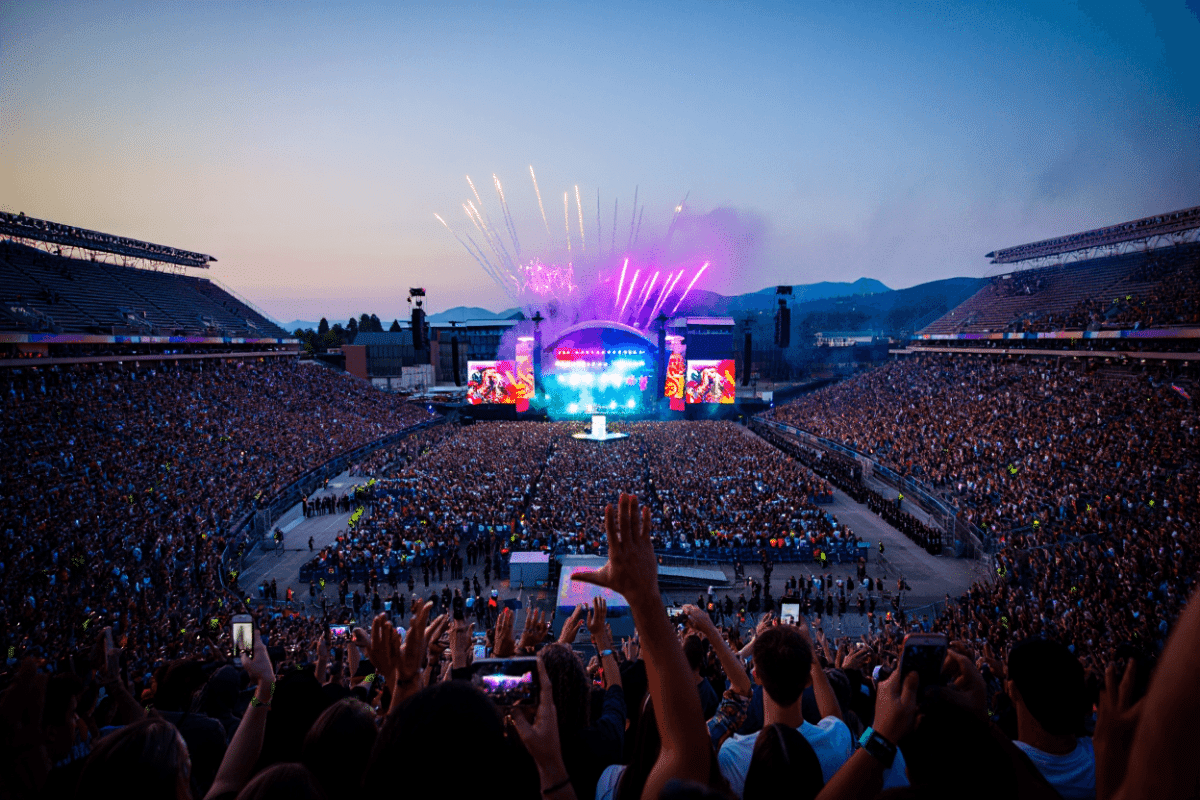
On January 27, 1984, Michael Jackson arrived at Los Angeles’ Shrine Auditorium for a Pepsi commercial shoot. A live audience of 3,000 fans gathered to witness the iconic superstar perform. Jackson was 25 years old at the time, at the peak of his fame. The production was part of a multi-million-dollar endorsement deal with Pepsi, featuring Jackson singing his hit “Billie Jean” as part of a fake concert setup.
During the third take, as Jackson danced down a spiral staircase, a pyrotechnic exploded behind him. Sparks rained down on his heavily gelled hair, igniting it instantly. The singer, unaware of the flames, continued dancing for a few seconds before crew members rushed to his rescue. According to witnesses, Jackson remained calm throughout, even reassuring panicked audience members as he was taken away on a stretcher.
John Travolta receives honorary Palme d’Or at Cannes, directs debut film
Jenny Slatten and Sumit Singh reveal plans for new 90 Day Fiancé project
Second and Third-Degree Burns Changed Jackson’s Life
Jackson suffered severe scalp burns requiring immediate hospitalization. He was rushed to Cedars-Sinai Medical Center, then transferred to Brotman Memorial Hospital’s burn center. Doctors diagnosed second and third-degree burns covering his scalp, with significant hair loss resulting from the intense heat. Makeup artist Karen Faye, who witnessed the incident during a later trial testimony, described the horror: “All his hair was gone and there was smoke coming out of his head.”
Despite medical recommendations to stay hospitalized longer, Jackson checked out after just one day against doctor’s orders. He insisted on outpatient treatment instead, displaying his characteristic resilience. However, the physical and emotional trauma would haunt him for decades, with extensive plastic surgery and skin grafting required to repair the damage.
The Film’s Recreation Captures Raw Horror and Resilience
Director Antoine Fuqua’s biopic “Michael” features a dramatically intense scene recreating the accident. Jaafar Jackson, Michael’s nephew and the film’s lead actor, delivers a powerful performance depicting the moment. The scene shows Jackson initially continuing his performance while unaware his head is engulfed in flames, capturing both the shock and the singer’s famous composure. Multiple critics praised the sequence for its respectful yet emotionally raw portrayal of this life-altering moment.
| Detail | Information |
| Film Title | Michael (2026 Biopic) |
| Director | Antoine Fuqua |
| Lead Actor | Jaafar Jackson, Michael’s nephew |
| Theater Release | April 24, 2026 |
“He was wonderful. He reassured people even as he was being taken away on a stretcher.”
— Fan witness, BBC testimony from January 1984
Settlement and Legacy of Compassion
Rather than pursue a lengthy lawsuit, Jackson and Pepsi settled out of court for $1.5 million in what would amount to approximately $4.9 million in today’s currency. However, Jackson’s response was extraordinary. He donated the entire settlement amount to Brotman Medical Center, funding the establishment of the Michael Jackson Burn Center. In his 1988 autobiography “Moonwalk,” Jackson explained: “I wanted to do something because I was so moved by the other burn patients I met while I was in the hospital.”
Jackson regularly visited burn patients at the center, showing genuine compassion for those suffering from similar injuries. The center eventually closed in 1987 due to financial pressures, but Jackson’s generosity had provided crucial treatment and research funding during its operation. His legacy of turning personal tragedy into compassion for others became a defining aspect of how the world remembered this pivotal moment.
Did the 1984 Pepsi Accident Trigger Jackson’s Later Struggles?
Over the decades, questions emerged about whether the 1984 Pepsi incident set the stage for Jackson’s later health challenges. In a 2026 TMZ documentary titled “Michael Jackson: 30 Fatal Seconds,” Jackson family lawyer Brian Panish made startling claims. He argued that the severe scalp burns and subsequent surgeries led to debilitating chronic pain, which then led to anxiety, sleep loss, and pain management struggles. Jackson himself acknowledged in 1993 that he was “undergoing treatment for a dependency on pain medication” originally prescribed for post-surgery recovery. Some experts believe the painkillers initially prescribed after the Pepsi accident may have contributed to addiction patterns that would impact his health for the rest of his life.