Show summary Hide summary
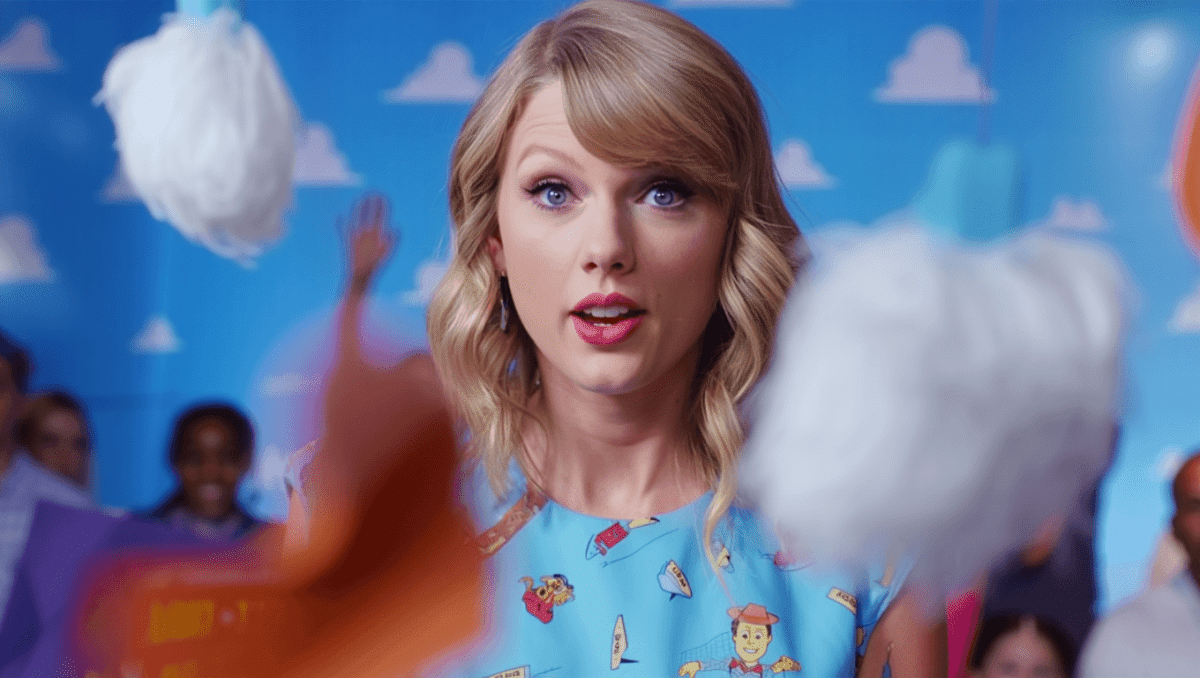
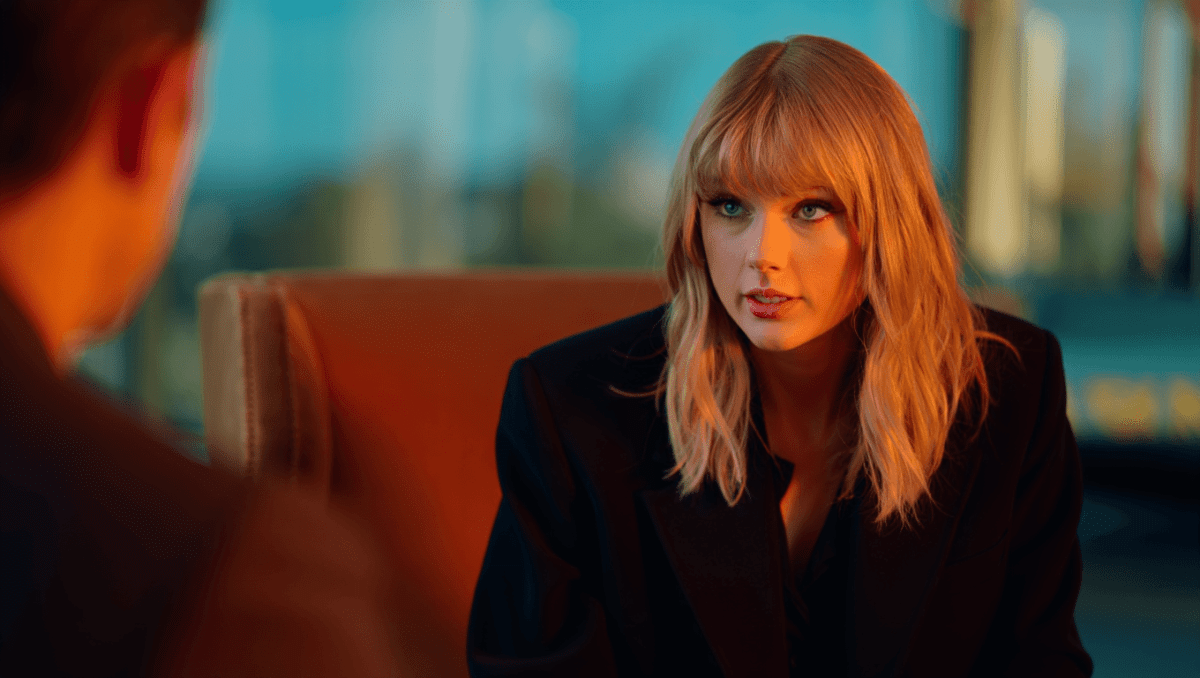
Taylor Swift just pulled back the curtain on her songwriting genius in a rare 30-minute NY Times interview filmed in Los Angeles. The 36-year-old superstar revealed obsessive lyrical rules, her famous “rant bridges,” and how criticism fuels her best work. But here’s the bombshell, she hinted at evolving beyond personal confessions toward even more ambitious storytelling. What’s coming next?
🔥 Quick Facts
- Interview Date: Released April 28, 2026 by The New York Times Magazine
- Duration: 30-minute exclusive conversation with reporter Joe Coscarelli
- Key Topics: Confessional songwriting, “rant bridges,” lyrical rules, and Nashville roots
- Recognition: Swift became youngest female inductee to Songwriters Hall of Fame in January 2026
The Nashville Roots That Shaped a Songwriting Dynasty
Taylor Swift traced her songwriting ambitions back to age 12, when she began writing her first songs. By age 14, she had already signed a publishing deal with Sony. In the interview, she recalled heading to Music Row after school with nearly finished songs and half-formed ideas, desperate to prove she belonged at the table.
Her foundational influences came from country storytelling giants like Jeannie C. Riley‘s “Harper Valley PTA,” the Chicks‘ “Goodbye Earl,” and Kenny Chesney‘s narrative anthems. But emo and pop-punk music sharpened her lyrical instincts. She cited Chris Carrabba of Dashboard Confessional and Pete Wentz of Fall Out Boy as major influences on her confessional approach.
Jenna Bush Hager reveals NBC pilot ‘Protection’ with Peter Krause awaiting network decision this week
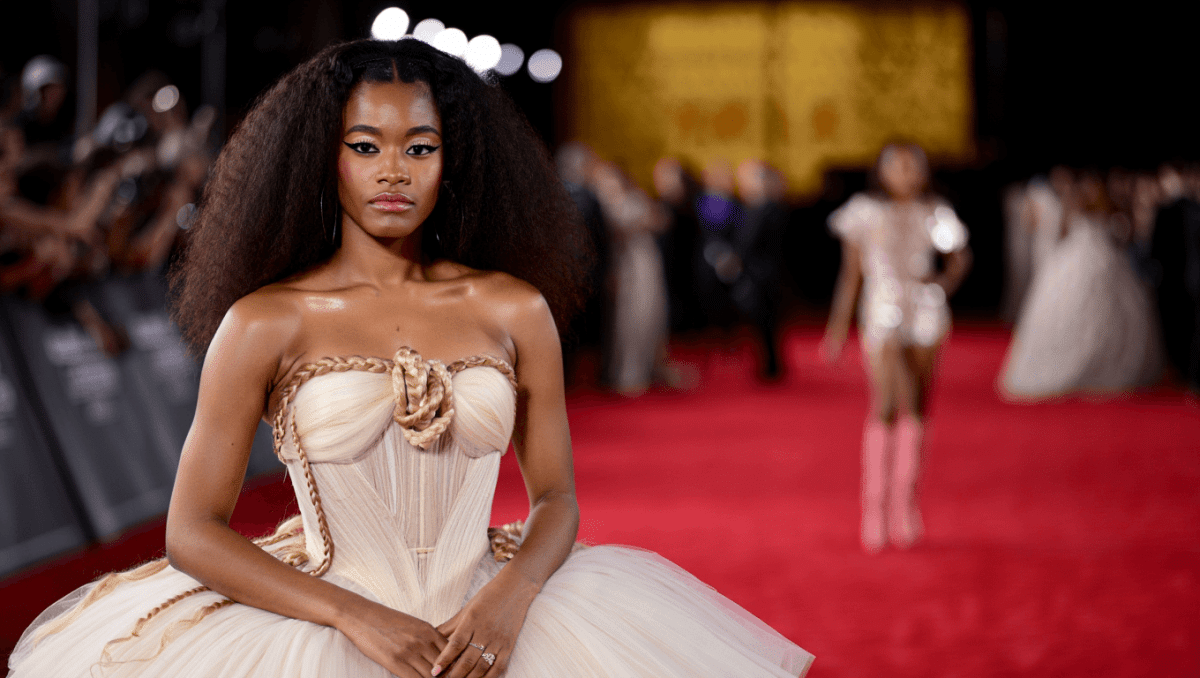
Teyana Taylor wears hair-embroidered corset gown at Billboard Women in Music in Los Angeles
How “Rant Bridges” Became Her Signature Weapon
Swift revealed that emotional bridges are where she unleashes her most vulnerable thoughts. She obsesses over phrasing, rhythm, and contradiction, crafting verses with meticulous wordplay before exploding into raw emotion in the bridge. She loves using juxtaposition and polarity, contrasting opposites like “everything and nothing” to reflect human complexity.
Her famous “mega-bridges” in songs like “Hits Different,” “The Smallest Man Who Ever Lived,” and “Death By a Thousand Cuts” have become her signature. Collaborator Jack Antonoff calls some of them “rant bridges” because they’re intense, stream-of-consciousness emotional outpourings. The original “All Too Well” started as a 10-minute emotional rant during Speak Now tour rehearsals.
| Element | Swift’s Approach |
| Alliteration Rule | Back-to-back words must share opening letter (chef’s kiss worthy) |
| Word Flow Rule | Never end word with same letter next word starts with |
| File Tracking | Keeps running phone file of words, questions, phrases for perfect lines |
| Bridge Function | “Step back and feel what entire painting was supposed to make you feel” |
How Taylor Wrote “Elizabeth Taylor” in a Parked Car
Swift revealed a stunning origin story. In 2024, while driving with boyfriend Travis Kelce, she was passionately explaining why Elizabeth Taylor fascinated her. She was praising Taylor for fighting artist rights, surviving exploitation, and maintaining humor. In that moment, the song began to “float down like a cloud.”
Swift scrambled to open her phone’s recording app before the lyric disappeared. Other times, inspiration comes from instrumentals by Aaron Dessner or Jack Antonoff, or spontaneous moments in the studio. Her recent layered storytelling in songs like “Clara Bow” shows how she’s evolved, picturing Stevie Nicks being compared to past stars, then herself, then the next generation of women.
Why Criticism Is Her Greatest Creative Fuel
“Criticism has been a huge fuel for me,” Swift declared in the interview. She’s transformed public backlash into masterpieces. “Blank Space” wouldn’t exist without people creating that boyfriend slideshow narrative. “Anti-Hero” wouldn’t exist without criticism of her personality. She told aspiring artists not to live in comment sections, but to convert criticism into art instead of trolling back.
Swift also discussed being a “mirror ball” for fans, media, and the internet. People project their own feelings and lives onto how they perceive her. Yet this awareness has kept her grounded through decades in the spotlight. She remains “endlessly fascinated by people, by the human experience, by why people feel emotion.“
What’s Next: Is A New Album Coming in 2026?
While Swift didn’t explicitly announce a new album, sources suggest she’s hinting at evolution beyond confessional songwriting. The interview positions her at a crossroads, where her craft has matured into layered storytelling and character exploration rather than just personal diary entries. Given her trademark pattern of releasing albums every 2-3 years, and with no major touring commitments publicly confirmed for mid-to-late 2026, timing could align for a surprise announcement later this year.
The NY Times interview also noted she’s trademarked her voice and likeness for AI protection on April 24, 2026, suggesting active preparation for major projects. Fans are already decoding Easter eggs. Will she deliver acoustic reimagined albums, bold new genre experiments, or cinematic storytelling albums? Only Swift knows, and she’s keeping audiences waiting with the precision she brings to every syllable.
“I really gravitate towards juxtaposition and polarity in a line. You take one word that’s at the beginning of the phrase, and then you take its opposite, because ultimately, we are all filled with polarity, hypocrisy, these kind of battling features and factors that make up our jagged personalities.”
— Taylor Swift, The New York Times Interview
Sources
- The New York Times – 30-minute exclusive Taylor Swift songwriting interview, April 28, 2026
- USA Today – “Taylor Swift reveals her songwriting secrets in new NYT interview” coverage and quotes
- ELLE – Comprehensive breakdown of Swift’s biggest revelations on criticism, confessional songwriting, and fan theories