A growing trend on social platforms challenges viewers to identify films from a single still — not a character or a line, but the interior of a room. These pixel-sized puzzles tap into memory, design literacy and nostalgia: spot the right color, a prop or a pattern and the movie clicks into place.
Why a room can reveal a whole story
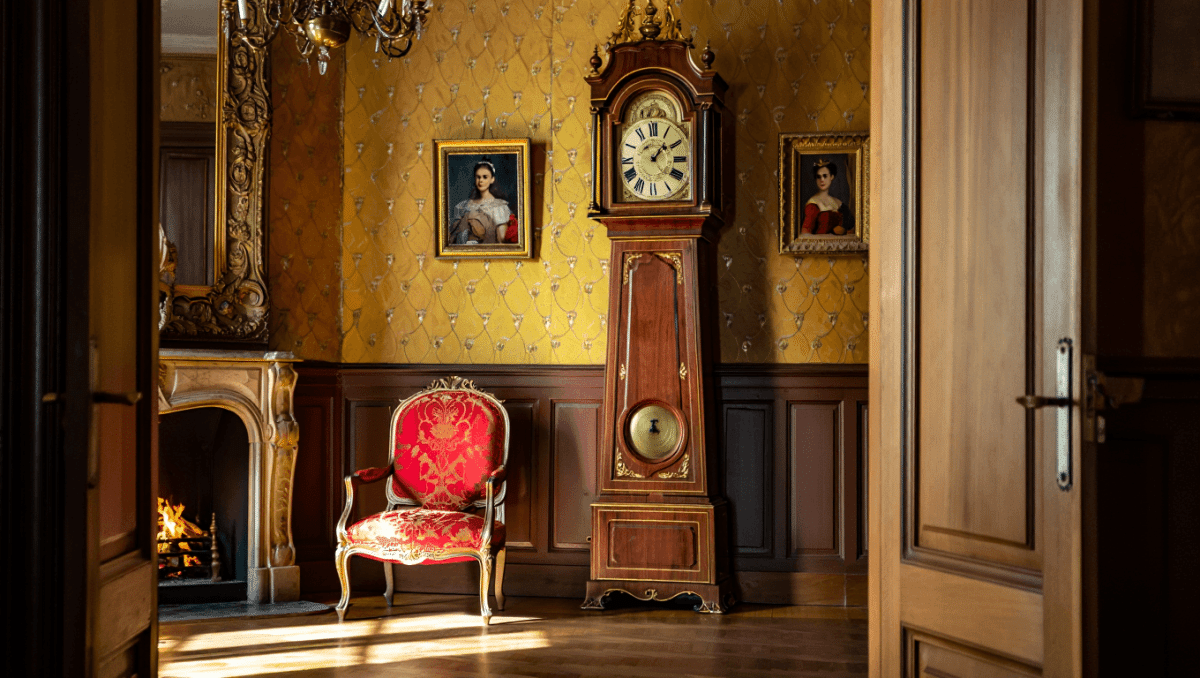
Production designers and art directors pack interiors with intentional cues. A shelf of books, a single wallpaper motif or the way sunlight falls through a window can signal period, personality and plot in a single frame.
When you try to name a movie from a room, you’re reading visual shorthand: color schemes, recurring motifs, and distinctive objects act like a compressed summary of a character or setting. That’s why these puzzles work so well — they rely on details filmmakers chose to include.
How to read an interior: quick tips
- Look for signature props — a toy, a portrait, or a specific piece of furniture can be decisive.
- Scan the color palette — muted tones, saturated primaries or icy blues often point to different moods and genres.
- Notice architectural cues — arched doorways, narrow towers or low ceilings narrow the historical or cultural context.
- Observe wear and texture — a battered armchair or pristine marble tells you about time, class and the character who uses the space.
- Watch lighting and composition — dramatic shadows, warm lamplight or high-key daylight are storytelling tools in themselves.
A six-room visual quiz (descriptions only)
| Clue | Distinctive details | Movie (answer) |
|---|---|---|
| A tall, circular chamber lined with books; a ladder on rails and a large wooden table dominate the center. | Floor-to-ceiling shelves, warm wood tones, an eclectic stack of volumes. | Beauty and the Beast |
| A small, sunlit tower room with sketches pinned to the wall, a single long braid of hair draped across a windowsill. | Creative clutter, handmade tools, daylight pouring through a narrow window. | Tangled |
| A child’s bedroom plastered with posters and toys; a bedspread with hand-drawn stars and a model rocket on a shelf. | Bright primary colors, well-loved toys, a hint of childhood wonder. | Toy Story |
| An ornate throne room with mosaic tile, rich textiles and a pair of swirling lamps flanking the ruler’s seat. | Opulent fabrics, Middle Eastern-inspired motifs, jewel-toned accents. | Aladdin |
| A modest, warmly furnished living room covered with photo frames, maps on the wall and a small couch where two people once shared moments. | Personal memorabilia, soft lighting, an atmosphere of memory and time passed. | Up |
| An interior carved from ice: crystalline walls, frosty columns and a throne that glows faintly blue. | Monochrome blues, reflective surfaces, a cool, magical feel. | Frozen |
Making your own room-based quiz
If you want to create and share puzzles like these, keep two practical points in mind. First, use fair-use images or original screenshots you have permission to post — studios protect their stills. Second, add concise captions and alt text so the challenge is accessible to readers using screen readers.
- Vary difficulty: mask obvious props for an extra challenge or crop tightly to make players look closely.
- Provide a subtle hint system: color swatches, tiny zoomed-in details, or the decade the film was released.
- Track engagement: these quizzes do well when combined with a comment prompt asking readers which detail gave the answer away.
These room-by-room puzzles are more than nostalgia bait; they’re a compact lesson in cinematic storytelling. For casual fans and design students alike, identifying a film from a single interior illustrates how small visual choices can carry big narrative weight — and why paying attention to details changes how we watch movies.