Show summary Hide summary
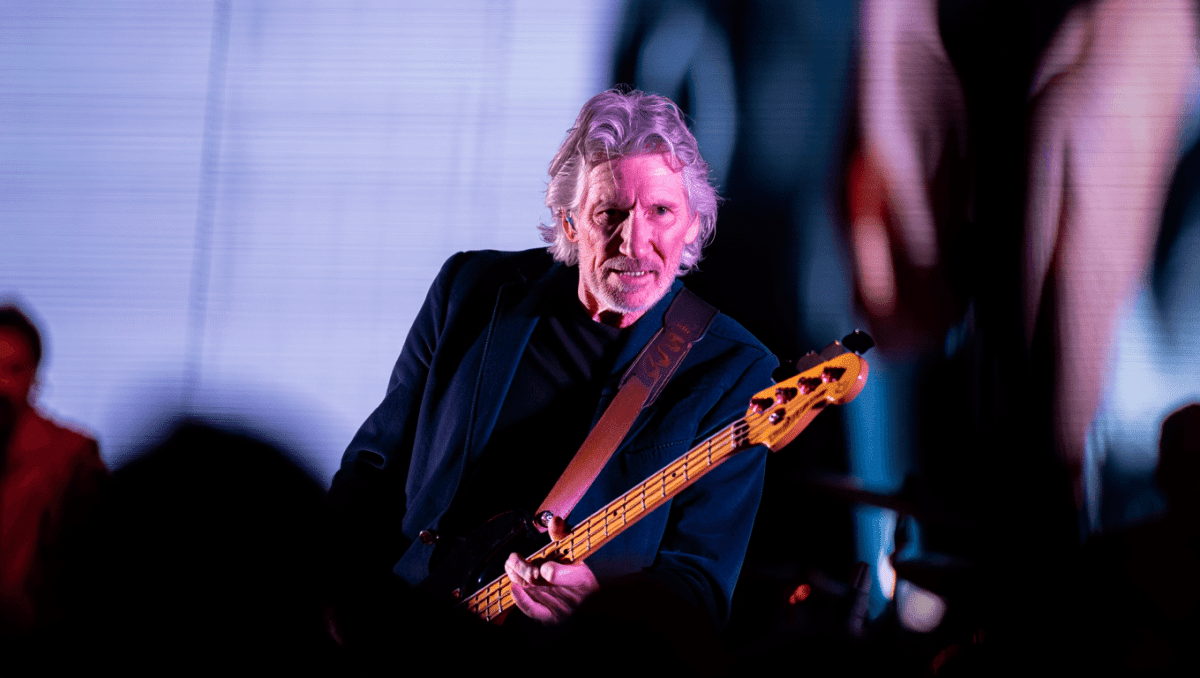
Roger Waters just confirmed his most personal statement about Pink Floyd. The legendary bassist calls The Wall his favorite album the band ever created, praising its achievement across technical and philosophical dimensions. Earlier today, Waters explained the deeper reasons behind this surprising choice.
🔥 Quick Facts
- The Wall Release: November 30, 1979, double album with 26 tracks
- Recording Timeline: 13 months of work from December 1978 to November 1979
- Commercial Peak: Best-selling album after Thriller and Eagles, outpaced Dark Side of the Moon in US sales
- Waters’ Quote: “Most accomplished technically and philosophically” describes his album ranking
A Personal Masterpiece Unlike Any Other
Roger Waters faced a difficult choice between Pink Floyd’s legendary catalog. He could have selected The Dark Side of the Moon, the objective critical masterpiece. He could have chosen Wish You Were Here or Animals, both concept-driven triumphs. Yet Waters picked The Wall above all others. His reasoning reveals why this album struck deepest. The character of Pink, modeled after Syd Barrett‘s tragic descent, feels like Waters‘ own vision brought to life. The narrative arc and storytelling precision exceed anything Pink Floyd had previously attempted.
In an exclusive interview with legendary radio host Jim Ladd, Waters addressed this revelation directly. He emphasized the album’s superior craftsmanship and philosophical weight. The double album represents the band’s most ambitious conceptual project. Waters orchestrated every element with meticulous control, even making controversial personnel decisions to protect his artistic vision.
South Park season 29 premieres September 16 on Comedy Central, airs biweekly
Mindy Kaling’s ‘Not Suitable for Work’ premieres June 2 on Hulu with 5 episodes
Technical Excellence That Defined a Generation
The Wall stands as a landmark in recording technology and production design. Waters credited producer Bob Ezrin with translating his vision into sonic reality. The recording sessions were elaborate and methodical, spanning multiple studios with constant attention to detail. Each section required precise overdubbing, intricate layering, and innovative studio techniques. Waters refused to compromise on sound quality despite mounting production costs.
The album’s technical achievement extends beyond mere recording prowess. Waters constructed a detailed rock opera using theatrical interludes and song sequences. Keyboardist Richard Wright was controversially removed during production, allowing Waters to maintain total creative control. The result was cohesive, ambitious, and technically uncompromising. Guitarist David Gilmour contributed the iconic solo on Comfortably Numb, adding emotional depth to Waters‘ framework.
| Album Detail | Information |
| Release Date | November 30, 1979 |
| Format | Double Album (26 Tracks) |
| Recording Period | December 1978 to November 1979 |
| Label | Harvest/EMI and Columbia/CBS |
“Yes, and because of the way the narrative works and the shape of the thing and it’s maybe the most accomplished technically and philosophically.”
Roger Waters, Pink Floyd Bassist and Songwriter
Philosophical Depth That Resonates Across Decades
Waters argues that The Wall achieves something rare in rock music. The album balances commercial appeal with serious artistic intent. It explores themes of isolation, education system criticism, and psychological deterioration. The narrative follows one character’s complete mental collapse, creating a tragic arc listeners experience across the double album’s runtime. Waters brought empathy to his compositions, allowing audiences to emotionally connect with the protagonist’s pain.
The philosophical dimension distinguishes The Wall from mere technical achievement. Waters embedded political and social commentary throughout. Songs like Another Brick in the Wall Part 2 challenged authoritarian education systems. Mother examined psychological dependency and control. Comfortably Numb captured emotional disconnection. Waters refused to make anything that sounded silly or contrived. Instead, he grounded every lyric in lived experience and honest observation of human behavior.
Commercial Success Waters Predicted From Day One
Waters revealed something remarkable during interviews about The Wall‘s creation. He knew immediately this album would be a massive commercial success. Waters sensed its combination of accessible pop elements and artistic ambition would resonate globally. The album has now achieved remarkable sales milestones. The Wall currently ranks in the top three best-selling albums of all time in the United States, behind only Thriller and The Eagles’ Greatest Hits.
Remarkably, The Wall has outsold The Dark Side of the Moon in total US units. Waters attributes this longevity to the album’s fundamental honesty. The record springs from genuine emotional experience and political conviction. Waters explains that people recognize immediately when something is artificial or contrived. His refusal to compromise on truthfulness gave The Wall lasting power that transcends passing trends. Radio stations embraced the material, contributing to its unprecedented success.
Why Does Roger Waters Still Champion The Wall Today in 2026?
Looking back from 2026, more than four decades after its creation, Waters maintains unwavering belief in The Wall‘s superiority. This isn’t nostalgia or misplaced sentimentality. Waters recognizes that The Wall achieved precise artistic vision while maintaining commercial appeal. The album influenced rock music’s direction fundamentally. Musicians continue covering songs from The Wall, and new generations discover its narrative through film and theatrical adaptations.
Waters‘s continued admiration reflects his consistent artistic philosophy. He has always prioritized concept and narrative structure in recording projects. The Wall represents the ultimate realization of this approach. The album proves that compromise between artistic integrity and accessibility is possible. Waters built a complete theatrical experience that works equally well on vinyl, in concert venues, or as a feature film. No other Pink Floyd album achieved this remarkable versatility and resonance.
Sources
- Cult Following – Roger Waters explains his favorite Pink Floyd album choice in exclusive recent interview
- Far Out Magazine – Analysis of Waters’ statement on The Wall’s technical and philosophical accomplishments
- Wikipedia – The Wall album production timeline and release information