Show summary Hide summary
The WNBA just made history with a record 216 nationally broadcast games in its 30th season. The 2026 schedule features unprecedented media coverage across seven networks, with the Fever-Aces rivalry taking center stage in multiple prime-time showdowns.
🔥 Quick Facts
- Record Broadcasts: 216 nationally televised games mark the most in WNBA history
- Fever Dominance: Indiana features in all 44 regular season games on national TV
- Season Launch: May 8, 2026 marks the official tip-off with three opening games
- Key Matchup: Fever faces defending champion Aces three times this season
A Landmark Media Moment for Women’s Basketball
The 2026 WNBA schedule announcement represents a watershed moment for professional women’s basketball. Commissioner Cathy Engelbert emphasized that this season follows a landmark 2025 campaign defined by incredible performances and elevated fan engagement.
With seven broadcast partners now distributing games, the WNBA has secured unprecedented linear and streaming coverage. This new media rights deal marks a transformative partnership for the league, featuring renewed ties with Disney, Amazon Prime Video, CBS, and Scripps, alongside fresh alliances with NBCUniversal, USA Network, and expanded NBA TV integration.
The Top India survey reveals Bollywood’s behind-the-scenes crisis: 50-60% income drops for crew
The Chi season 8 premieres May 22 on Paramount+, 10 final episodes
Clark and the Fever Own National Television
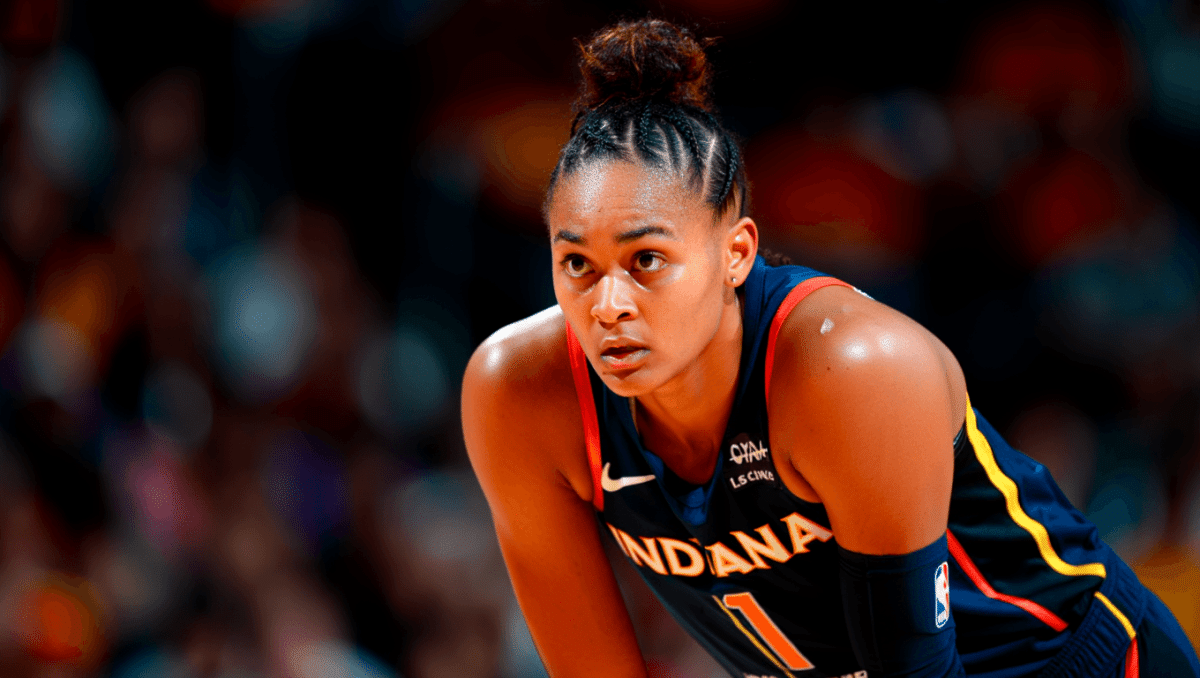
The Indiana Fever claim an extraordinary distinction this season: 44 consecutive nationally televised games. This marks not only a franchise record but the most broadcasts for any single team in WNBA history.
Caitlin Clark will be featured across all six of the league’s primary broadcast partners, including ABC, ESPN, NBC, Peacock, ION, Prime Video, CBS, and USA Network. The visibility underscores the seismic impact of Clark’s arrival on professional women’s basketball viewership and league growth.
Broadcast Distribution and Network Coverage
| Network | Games |
| ION | 50 games |
| USA Network | 48 games |
| Prime Video | 30 games |
| ESPN/ABC/Disney | 30 games (13 ABC, 17 ESPN) |
| CBS/Paramount+ | 20 games |
| Peacock/NBCSN | 15 games each |
| NBC | 7 games |
| NBA TV | 15 games |
“The WNBA is coming off a landmark season in 2025, one that was defined by incredible basketball and countless memorable performances. With an incredible 2026 draft and so many notable free agency signings and trades now giving way to the start of the season, the WNBA’s unprecedented lineup of linear and streaming partners will shine a light on must-see matchups.”
— Cathy Engelbert, WNBA Commissioner
The Fever Face the Defending Champion Aces
Basketball fans have circled three must-watch dates on their calendars. The Fever will face the defending champion Las Vegas Aces in prime-time matchups that could define the season.
The rivalry kicks off on Sunday, July 5 at the T-Mobile Arena with ESPN coverage at 7 p.m. ET. One week later, July 12 brings an even bigger moment on NBC at 9 p.m. ET from the Michelob ULTRA Arena. The season concludes with August 6 at Gainbridge Fieldhouse in Indianapolis, aired on Prime Video at 7 p.m. ET. These matchups will showcase A’ja Wilson and the Aces‘ championship pedigree against Clark‘s ascendant Fever squad.
Teams Leading the National Broadcast Count
While the Fever dominate with 44 games, other marquee franchises also benefit from expanded visibility. The Dallas Wings secured 36 games, the New York Liberty earned 35 broadcasts, and the Las Vegas Aces claimed 33 nationally televised contests.
The season regular schedule runs 44 games, concluding September 24, 2026. There’s a break built in for the 2026 FIBA Women’s World Cup, ensuring international commitments don’t derail momentum. The historical WNBA Tip-Off 2026 presented by CarMax begins Friday, May 8, with a three-game slate launching the league into its most-watched season ever.
What Does This Historic Schedule Mean for Women’s Basketball?
The 216-game broadcast milestone signals something profound about the future of women’s professional sports. For decades, WNBA games struggled for television access. Today, nearly every contest reaches national audiences across multiple platforms.
This expansion reflects genuine market demand rather than charity. Caitlin Clark’s rookie season impact, A’ja Wilson’s dominance, and stars like Arike Ogunbowale and Jewell Loyd have created compelling storylines that networks compete to broadcast. The unprecedented media partnerships mean fans can watch games on traditional cable, streaming services, free-to-air channels, and specialty networks. Whether this momentum will sustain into 2027 depends on continued investment in women’s basketball talent and storytelling.