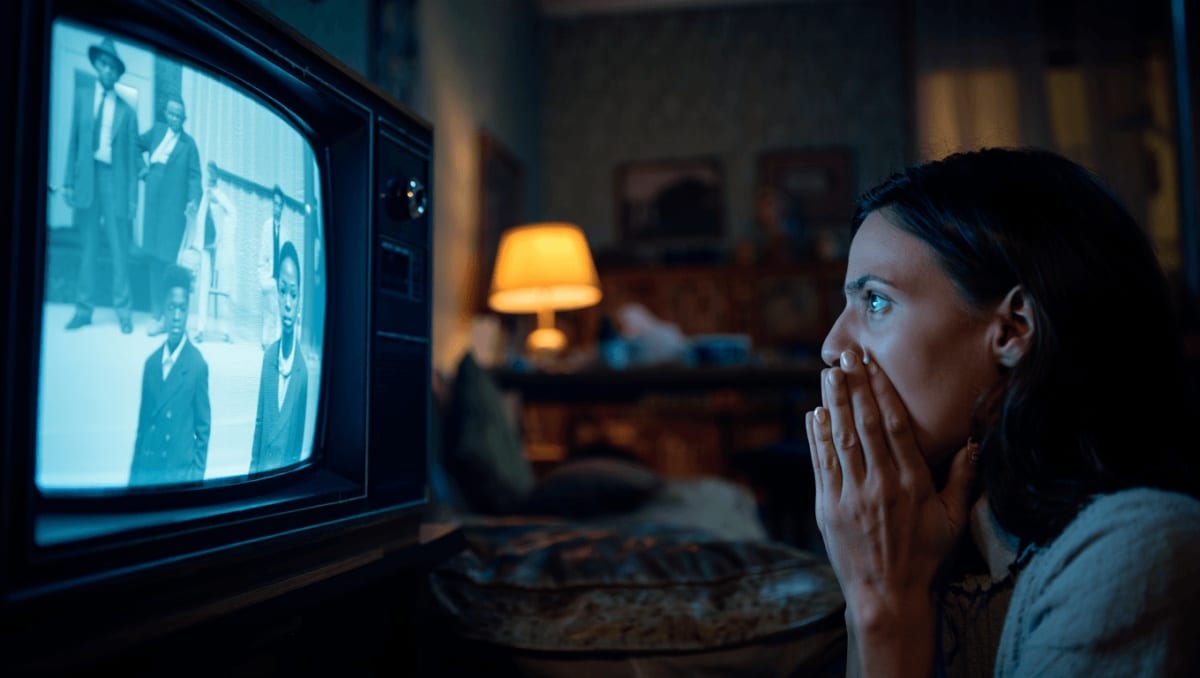
As streaming services revive decades of film and television, viewers are confronting scenes that once passed as entertainment but now strike many as unsettling or offensive. These moments matter today because they shape how new audiences understand history, race, gender and consent—and they force platforms, critics and creators to rethink what stays on screen and how it should be framed.
Some problematic scenes are obvious; others sit quietly inside otherwise beloved works. Below are 14 categories of on-screen moments that have grown difficult to watch, each paired with well-known examples that sparked public debate. The goal is not to erase history but to explain why these moments cause harm now and how the industry is responding.
Where the problem shows up
Streaming has made cultural reassessment unavoidable. A sequence that once prompted laughter or no reaction at all can now prompt outrage, trigger warnings, or removal from platforms. That shift has concrete consequences for how studios package classic titles and for how audiences—especially younger viewers—interpret the past.
- Blackface and minstrel caricature — Performances that use darkened makeup to caricature Black people (for example, scenes in early Hollywood films such as The Jazz Singer) are now widely recognized as racist and dehumanizing.
- Racist Asian caricatures — Overtly exaggerated portrayals of East Asian characters, notably Mickey Rooney’s portrayal in Breakfast at Tiffany’s, are routinely cited as harmful stereotyping.
- Native American caricatures in animation — Songs and gags from classic animated features (for example, sequences in mid-century cartoons) rely on reductive imagery that has since been condemned.
- Romanticizing slavery — Films that sentimentalize the antebellum South or present enslaved people as contented support characters (as critics have argued about Gone with the Wind) face renewed scrutiny.
- Stereotypes of Black characters — “Mammy,” “Uncle,” and other tropes that flatten Black lives into servile or comic roles remain painful to modern audiences.
- One-dimensional depictions of Asian characters — Characters played for laughs because of accent, cultural ignorance or sexual exoticism (for instance, the foreign-exchange caricature in Sixteen Candles) are now widely criticized.
- Homophobic and transphobic jokes — Punchlines and plot beats that mock LGBTQ+ identities, or that equate gender variance with menace, have been re-evaluated and frequently condemned.
- Sexual assault treated as comedy — Scenes where non-consensual acts are played for laughs or dismissed as plot convenience have provoked particular outrage in the #MeToo era (criticisms have been leveled at several 1980s comedies and teen films).
- Sexualization of minors — Older adaptations and scripts that eroticize teenagers or underage characters (notably debates around versions of Lolita) are now read very differently.
- Stalking and coercion framed as romance — Persistent pursuit, surveillance or pressure presented as a sign of love—tropes common in earlier romantic films—are increasingly seen as normalizing abusive behavior.
- Ableist humor and villainy — Using disability as a shorthand for comedy or criminality has contributed to stigma and has been widely criticized in retrospective readings.
- Animal cruelty captured on film — Historical accounts of animals harmed on set or depicted roughly in scenes have prompted changes in how productions document animal safety.
- Cartoonish racial gags — Short sketches and syndicated cartoons that rely on racist tropes are now routinely removed or presented with context warnings.
- Problematic recurring characters in modern shows — Characters that once escaped scrutiny—like Apu on The Simpsons—have become focal points for conversations about representation and creative responsibility.
Why this reassessment matters now
The stakes are both cultural and practical. For audiences, these scenes affect trust: parents deciding what to let children stream, educators choosing materials, and viewers figuring out how to enjoy art without ignoring harm. For platforms, the choices are legal and reputational—whether to add a content advisory, edit a title, or remove it entirely.
There is also an economic dimension. Studios increasingly attach historical context or disclaimers to older titles rather than burying them. This preserves the record while signaling awareness of past harms. Some creators and performers have apologized; others defend artistic intent. The conversation is ongoing and often messy.
How platforms and creators are responding
Responses vary. A few common approaches:
- Adding descriptive content warnings that outline problematic elements without excising the work.
- Issuing public statements or placing titles behind editorial essays that explain historical context.
- Permanently removing or re-editing specific scenes in extreme cases.
- Commissioning new productions and remakes that correct or subvert harmful tropes.
These measures reflect a broader shift: archives and streaming catalogs are no longer passive repositories. They are editorial spaces where platforms must weigh accessibility against the responsibility to avoid amplifying harm.
What viewers can do
There’s no single “right” response to a difficult scene, but a few practical steps help turn discomfort into constructive conversation.
- Watch with context: seek essays, interviews or disclaimers that explain when and why a scene is offensive.
- Talk about it: discuss what makes the moment problematic—whether it’s stereotyping, a normalization of violence, or a derogatory joke.
- Support better representation: follow creators and shows that center historically marginalized perspectives and treat sensitive subjects responsibly.
Encountering disturbing material in a classic film or sitcom can feel like stumbling on a cultural blind spot. Recognizing why these moments land badly today is the first step toward more informed, critical viewing—and toward an industry that treats its legacy with both honesty and care.