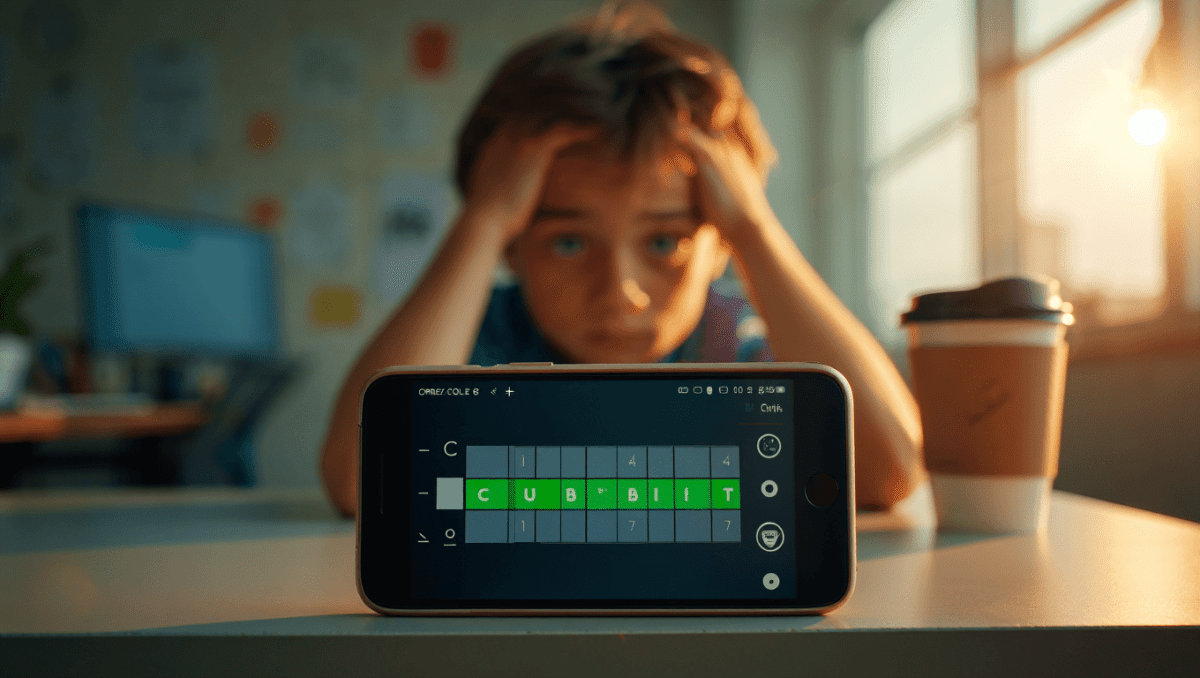
Wordle #1762 on April 16, 2026 tested players with CUBIT, an archaic word that stumped millions. This ancient measurement puzzle left many scrolling through dusty Bible references. Did you unlock the answer before your streak snapped.
🔥 Quick Facts
- Puzzle #1762: Released on Thursday, April 16, spotlighting biblical history.
- CUBIT definition: Ancient unit of length measuring elbow to fingertip, about 18-22 inches.
- Common difficulty: Two vowels, no duplicates, distinctly archaic nature caught players off-guard.
- Etymology: From Latin “cubitum” meaning “elbow,” via Old French into English.
What Makes CUBIT So Challenging for Players
Obscure vocabulary remains Wordle’s secret weapon for difficulty spikes. Most players never encounter ancient measurement units in daily conversation. The word appeared in billions of Bible passages about Noah’s ark and temple dimensions, yet few recognize it today. Archaic words like CUBIT dominate harder puzzles because they force players beyond modern English.
The letter combination defied logic for systematic guessers. Starting with vowel-heavy words like ADIEU typically yields results, but CUBIT contains only U and I as vowels. Both consonants surround them, limiting common letter patterns. Players who skipped guessing Q, X, and unusual consonant clusters struggled longer.
Hints and Clues That Could Have Solved It Faster
Wordle Bot suggested starting with SLATE, the algorithm’s preferred opening. Alternative strong starters included DARES, ADIEU, and ROAST, which expose the most common letters first. Even with perfect strategy, CUBIT demanded three or four guesses from average solvers. The puzzle’s difficulty rating approached challenge level.
Key hint categories included: “It’s an archaic unit,” “Think ancient civilizations,” and “Related to measurement from elbow to fingertip.” Religion enthusiasts recognized it instantly from Old Testament passages describing construction and dimensions. Those unfamiliar with biblical measurements faced significant disadvantage. Strategic players who tried CUBIC first were tantalizingly close.
Wordle Strategy Table for Archaic Words
| Strategy Element | Approach |
| Vocabulary Range | Include Old English words, biblical terms, Latin roots |
| Starting Word | SLATE or ADIEU to test vowel placement |
| Letter Patterns | Watch for rare consonant clusters and limited vowels |
| Competitive Edge | Research ancient civilizations, historical measurements |
“Cubit comes from Latin cubitum, meaning elbow, from cubare (to lie down, recline). It entered English via Old French cubite, referring to the length from the elbow to the tip of the middle finger—an ancient unit of measurement used in cultures like Ancient Egypt and the Near East.”
— Forbes Gaming Guide, Etymology Analysis
How History Shapes Modern Puzzles
Ancient measurements fascinate puzzle creators because they blend learning with gaming. CUBIT appears in historical texts, archaeological discussions, and religious literature, giving it depth beyond mere alphabetics. Wordle frequently resurrects forgotten words to educate players while entertaining them. The New York Times team carefully balances obscurity with fairness, avoiding purely random archaic selections.
This Thursday puzzle rewarded players with historical knowledge while humbling those relying purely on frequency analysis. Language lovers and Bible scholars celebrated quick victories, while casual gamers scrolled search engines after five failed attempts. The inclusion of archaic vocabulary maintains puzzle longevity and ensures skill development over months of daily play.
Why Did Players Struggle With This Particular Ancient Measurement Puzzle
Statistics show April 16’s puzzle ranked among the ten hardest of 2026, with many players losing their streaks on this single word. The primary challenge involved recognizing CUBIT as valid English without modern usage context. Younger audiences especially lacked exposure to this term outside academic settings. Social media erupted with frustrated players sharing their defeat, swapping strategies, and debating difficulty fairness.
Players who succeeded credited different approaches: some guessed CUBIC first, noticed the pattern, and corrected to CUBIT. Others maintained running lists of historical and biblical terms. A few simply got lucky through process of elimination despite having no prior knowledge. The Wordle community collectively learned a valuable lesson about vocabulary breadth and historical literacy. Discussions continue about whether such obscure words belong in the official slate.
Sources
- CNET Gaming – Official Wordle hints, answers, and daily gaming analysis
- Forbes Gaming Guide – Etymology, puzzle strategy, and Wordle Bot analysis
- The New York Times – Official Wordle hints and difficulty ratings