Show summary Hide summary
A Knight of the Seven Kingdoms has delivered what Game of Thrones fans desperately needed. The HBO prequel series achieved a stunning 94% Rotten Tomatoes score, the highest in the entire franchise. With just eight episodes and a refreshingly simple story, the show proved smaller can be better.
🔥 Quick Facts
- Premiere Date: January 18, 2026, exactly when fans needed an escape
- Critical Score: 94% on Rotten Tomatoes, beating Game of Thrones (89%) and House of the Dragon
- Episode Count: Only 8 episodes, making it refreshingly brief and focused
- Star Power: Peter Claffey as Dunk, with Dexter Sol Ansell as his charismatic squire Egg
How a Simple Knight Healed a Fractured Franchise
Game of Thrones limped to a disappointing finish in 2019, leaving millions of fans angry and betrayed. House of the Dragon tried to recapture the magic but sank under the weight of identical character names and incomprehensible family trees. Then came A Knight of the Seven Kingdoms, a radically different approach that worked.
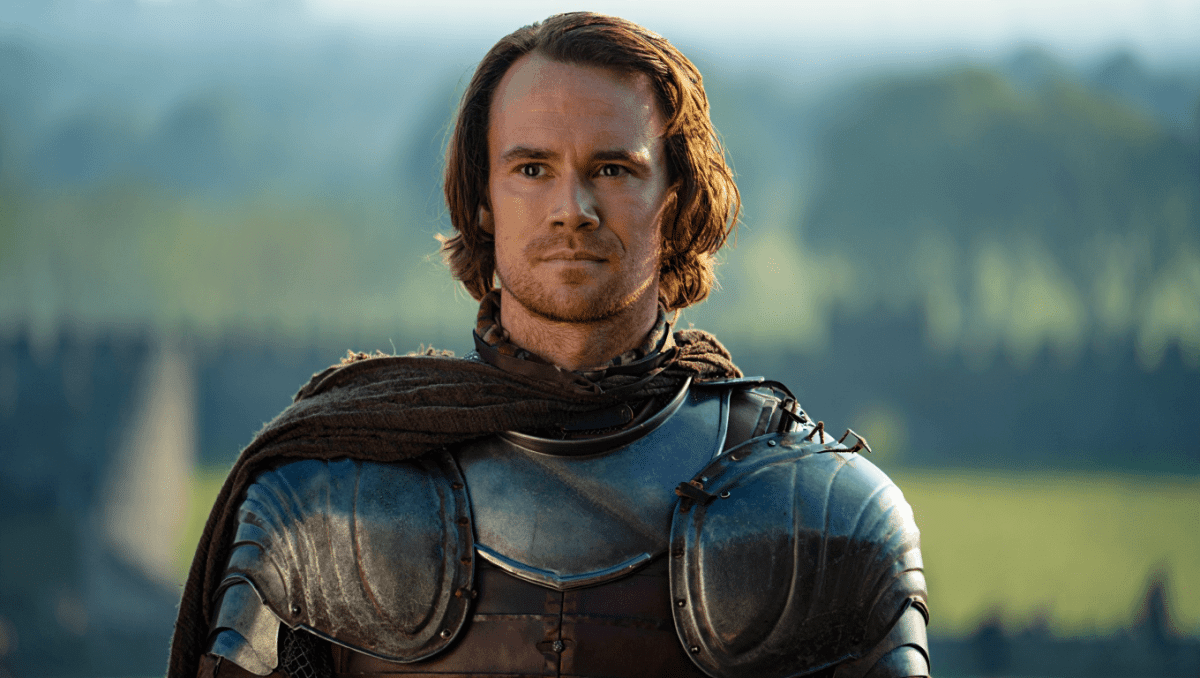
The show’s genius lies in radical simplicity. Ser Duncan the Tall just wants to become a knight and joust once. No secret incest. No dragons. No apocalyptic threats. Just an underdog with a good heart, played with effortless charm by Claffey, and his ethereal young squire companion.
Strongsville Ohio celebrates summer with family events, concerts, and markets this month
Ross Mathews hosts 90 Day: The Single Life Tell All, airs May 18
Why Critics Can’t Stop Praising This Series
Critics have rallied around this lighthearted prequel with unexpected enthusiasm. The Guardian called it the show’s favorite Game of Thrones project yet, praising how it captures the spirit of early seasons without the self-importance. Roger Ebert noted it’s a return to ideals of courage, honor, friendship and the underdog that made fantasy television resonate.
Rotten Tomatoes users gave it an 8.7 out of 10, with 229,506 votes tallied. The penultimate episode, which features the pivotal jousting scene, ranks among the top five highest-rated episodes in the entire franchise. That episode alone showcases brutal, unflinching violence delivered with surprising emotional weight.
A Changing Formula That Actually Works
| Element | A Knight of the Seven Kingdoms | Previous GOT Shows |
| Episode Count | 8 episodes, tightly focused | 10+ episodes per season |
| Story Complexity | One clear mission, simple stakes | Dozens of plots, sprawling families |
| Tone | Lighter, with humor and heart | Dark, self-serious, complex |
| Dragons | None | Central to most storylines |
| Character Focus | Deep connection to two leads | Impossible to track everyone |
The series was created by George R.R. Martin himself alongside showrunner Ira Parker. Directors including Owen Harris, Sarah Adina Smith, and Enda Doherty brought visual polish without pretension. The eight-episode format allowed every story beat to land with precision, avoiding the padding that plagued earlier seasons.
‘A Knight of the Seven Kingdoms has just ended its refreshingly brief run, and it may well qualify as my favourite Game of Thrones project yet. The previous shows all came with an element of eating your vegetables.’
— Stuart Heritage, The Guardian
What Viewers Are Saying About the Future
Audience enthusiasm has exceeded expectations. The series now averages more than 1 million viewers per episode compared to other franchises struggling with numbers. Reddit communities celebrate how the show breaks the mold by making you care deeply about just two main characters instead of juggling dozens.
Fan theories focus on whether Dunk and Egg will return for a second season, following the source material from Martin’s Dunk and Egg novellas. The chemistry between Claffey and Ansell has become the show’s defining anchor, with viewers praising their effortless rapport and comedic timing.
Can HBO Repeat This Success With Future Projects?
Industry experts now point to A Knight of the Seven Kingdoms as the template for how to revive struggling franchises. Shorter seasons, tighter storytelling, and emotional depth prove more valuable than sprawling complexity. The penultimate episode’s brutal joust sequence demonstrates devastating violence still hits harder when viewers truly know and love the character suffering it.
What’s next for Westeros? The consensus is clear: more Dunk and Egg, sooner rather than later. After Game of Thrones ended in disappointment and House of the Dragon collapsed under its own ambition, this unexpected gem has given the franchise a genuine second chance at greatness.