Show summary Hide summary
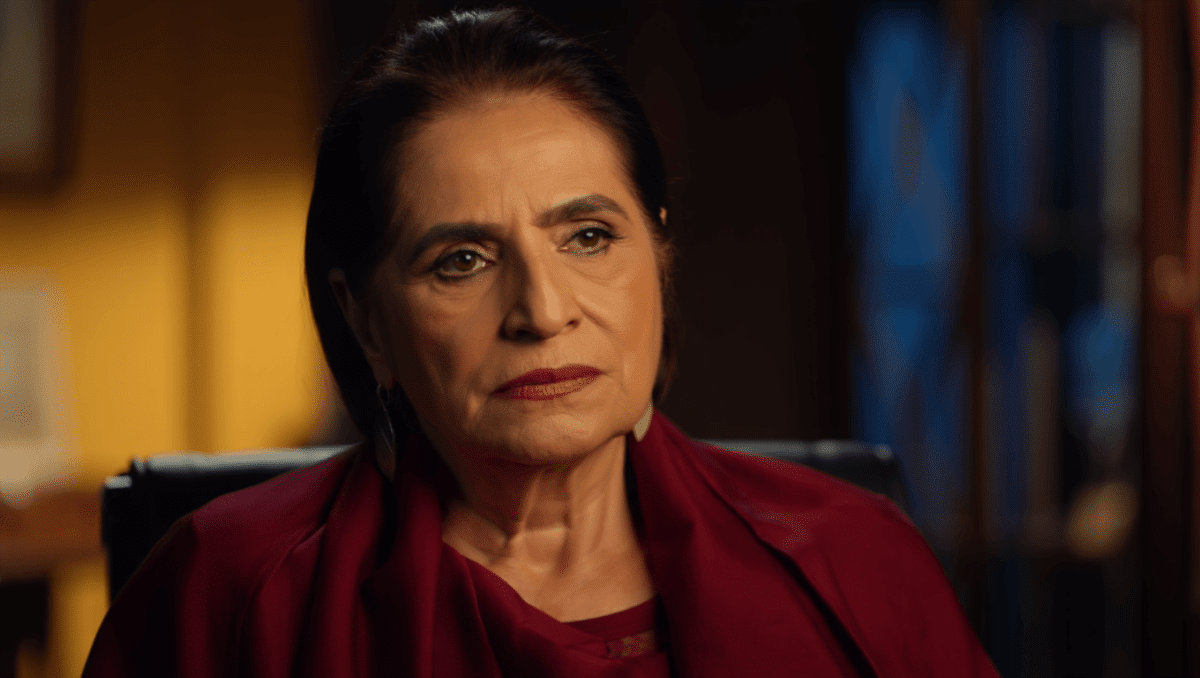
Grecia Colmenares just revealed decades of untold Hollywood struggles that reshaped Latino representation across U.S. television. The Venezuelan actress, born in 1962, battled accent discrimination and typecasting for years before her breakthrough. Her story exposes how one woman’s refusal to assimilate changed the entire entertainment industry.
🔥 Quick Facts
- Born December 7, 1962 in Valencia, Venezuela to a Venezuelan father and French mother
- Career began at age 11 in Venezuelan television, achieving sensation status by 1979 with lead role in Estefanía
- Breakthrough role as María Mercedes became first telenovela to achieve mainstream U.S. success, breaking streaming records in 1990s
- 2026 comeback on Big Brother Argentina marks triumphant return to television after years away from spotlight
The Accent Barrier That Almost Ended Her Dream
When Grecia Colmenares arrived in Los Angeles in 1989, casting directors immediately told her to neutralize her voice. The demand wasn’t about clarity, it was about erasure. For an actress whose melodic Venezuelan accent had captivated millions across Latin America, this felt like professional death. But instead of conforming, she did something revolutionary: she weaponized her authenticity.
The narrow-minded industry saw her accent as a limitation. She transformed it into her greatest strength, proving that distinctive voices could resonate universally. This quiet defiance became her signature, forcing casting directors to reconsider their prejudices about who could command a mainstream audience in Hollywood’s English-language market.
Grecia Colmenares reveals untold Hollywood struggles that reshaped Latino representation
Live nation ticketmaster monopoly ruling overturns industry, jury finds $82B giant liable
Typecasting and the ‘Exotic Latina’ Trap
Latino actors in the early 1990s faced relentless stereotyping. Grecia Colmenares was constantly pushed toward the same tired roles: the fiery lover, the helpless immigrant, the exotic background character. Her striking features and commanding presence made her a target for reductive casting. But she had spent years in Venezuela and Mexico playing complex, multifaceted women with real agency and psychological depth.
She refused to become a caricature. When auditioning for roles written specifically for other actresses, she transformed scripts, infusing them with raw vulnerability and universal appeal. This refusal to accept industry limitations eventually shattered the typecasting trap, proving Latino stories could transcend niche audiences entirely.
María Mercedes: The Telenovela That Changed Everything
| Milestone | Impact |
| Role Character | María Mercedes, poor but determined woman fighting systemic inequality |
| Breakthrough Timing | 1990s, when Latin American content was considered too niche for mainstream U.S. audiences |
| Cultural Significance | First telenovela to achieve mass crossover success in English-speaking markets |
| Legacy Achievement | Inspired gina rodriguez, Oscar Isaac, and reshaped Latino representation standards |
María Mercedes wasn’t just a show, it became a cultural phenomenon that proved Latino audiences represented a powerful market with unprecedented media hunger. The character’s declaration, “I may be poor, but I am not less than you,” became a rallying cry for communities underestimated by Hollywood’s hierarchy system.
“She proved that bilingual actors could succeed in both English and Spanish-language roles, paving the way for actors like Gina Rodriguez to embrace their heritage without erasing their identity.”
— Hollywood Latino Studies, Entertainment Industry Analysis
Breaking Into Mainstream: The ER Moment That Changed the Game
Grecia Colmenares didn’t stop at Spanish-language dominance. In 1997, she landed a guest role on ER, the most-watched television show in America. The role was technically small: a nurse caring for a Spanish-speaking patient. But its cultural significance was enormous. For the first time, casting directors saw a Latina actress playing a character whose ethnicity wasn’t the entire point of the story.
This breakthrough demonstrated that authentic representation could exist in mainstream spaces without exploiting stereotypes. She wasn’t the tragic immigrant or the passionate Latina stereotype. She was simply a professional doing her job. The ripple effect echoed through the industry for decades, opening doors for countless actors who followed her trailblazing path.
Why Does Grecia Colmenares’ 2026 Comeback Matter Now?
When Grecia Colmenares entered Gran Hermano (Big Brother Argentina) in April 2026, it sent shockwaves through Latin entertainment. Her comeback directly challenges the invisibility that forces aging actresses from television. She’s not retiring quietly. She’s reclaiming her space in an industry that once tried to erase her voice.
This unexpected television return proves her legacy transcends nostalgia. She’s become a symbol of resilience and authenticity in an era when bilingual storytelling finally dominates streaming platforms globally. Her presence in the Big Brother house signals that pioneering actresses deserve platforms equal to younger stars, and that experience paired with professional integrity commands respect.
Sources
- Made-in-China Insights – Comprehensive article on Grecia Colmenares’ Hollywood struggles and Latino representation impact (April 14, 2026)
- Wikipedia – Biographical details confirming birth date, birthplace, and career milestones in telenovelas
- IMDb & Kiddle – Television credits including María Mercedes, Topacio, Manuela, and mainstream appearances