Show summary Hide summary
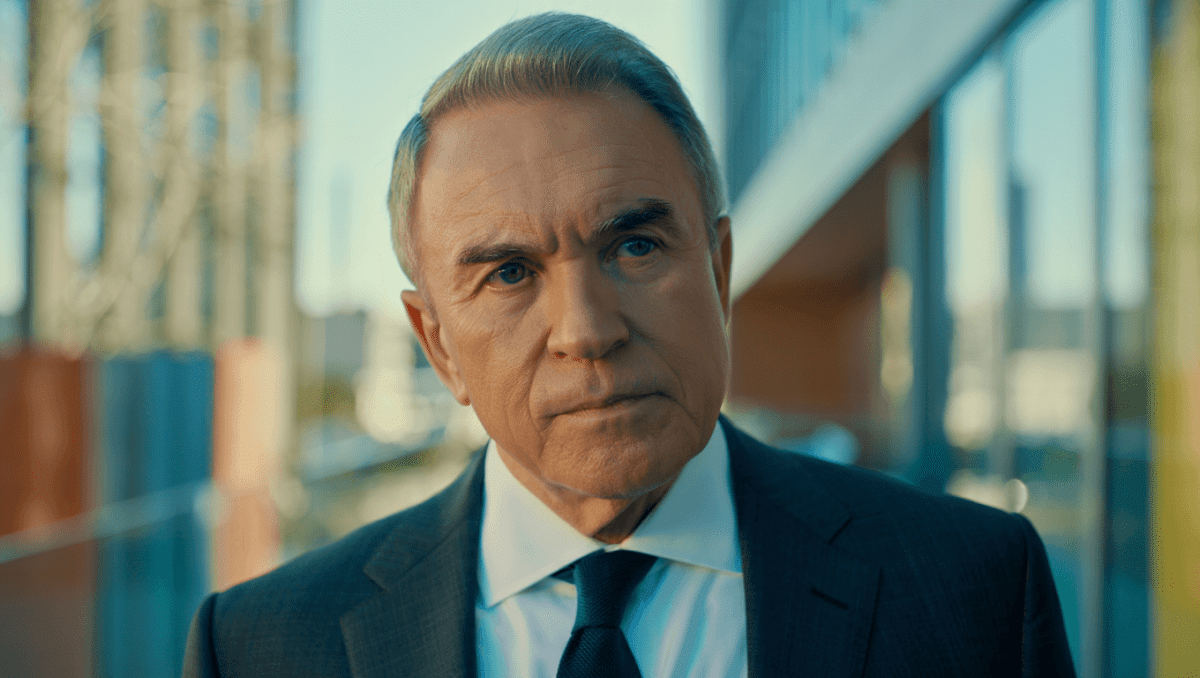
Barry Diller just revealed his radical vision for CNN, declaring he would transform the network in ‘every way.’ The billionaire media mogul detailed his complete overhaul strategy in a bombshell interview, leaving industry insiders stunned about what real change could look like.
🔥 Quick Facts
- Diller’s odds: Estimates 30-40% chance of acquiring CNN from Warner Bros. Discovery
- Timeline: Several years of interest, with formal approach in January 2026
- Major issues: Claims CNN ratings have declined, revenue dropped, yet remains profitable
- Scope of change: Would overhaul look, feel, programming, and content entirely
Diller’s Bold Critique Challenges Warner Bros. Management
Barry Diller doesn’t pull punches. In his March 11 interview with journalist Graham Bensinger, the tech and media billionaire openly criticized how Warner Bros. Discovery has managed the historic news brand. He emphasized that declining ratings and revenue tell the real story, not talent shortages among CNN staff.
Diller’s key complaint: ‘It has not been managed optimally.’ He revealed direct conversations with WBD CEO David Zaslav and board member John Malone expressing his concerns about CNN’s programming strategy. The billionaire’s reputation for building media empires gives his critique substantial weight in industry circles.
Barry Diller reveals CNN turnaround plan: ‘I’d change it in every way’
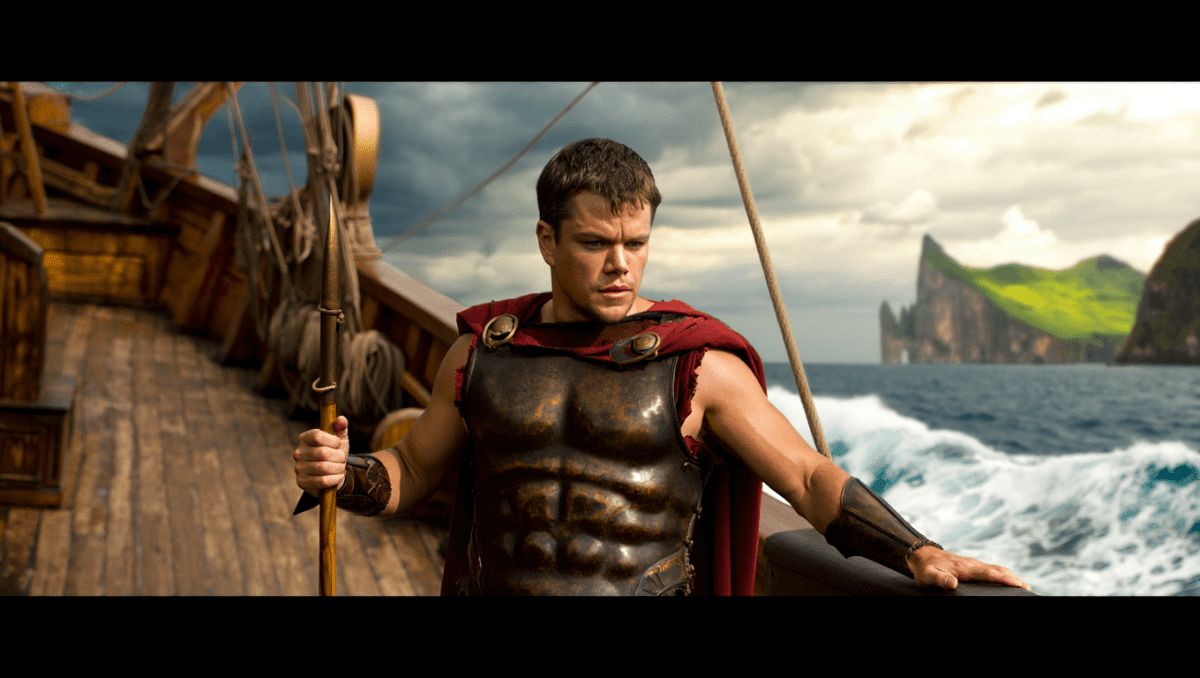
Matt Damon stars in The Odyssey epic film coming to theaters this July
The Untapped Potential Diller Sees
CNN’s international brand strength fascinates Diller most. He believes the network possesses ‘enormous potential influence’ that remains largely dormant. The flagship global news brand, while profitable today, lacks the competitive edge it once commanded. Diller sees this gap as opportunity.
According to recent Warner Bros. filings, CNN is projected to generate $1.8 billion in annual revenue by 2026, growing to $2.2 billion by 2030. Yet Diller maintains the network isn’t ‘really fully competitive’ given its market position and resources available for transformation.
Details of Diller’s Complete Transformation Plan
| Category | Diller’s Overhaul |
| Visual Look | Complete redesign of sets and presentation style |
| Feel & Tone | Reimagined brand experience and audience connection |
| Programming Strategy | Fundamental restructuring of show lineup and content |
| News Content | Reorientation of editorial direction and reporting |
When asked specifically how he’d change CNN if he owned it, Diller answered with unfiltered honesty: ‘Oh, in every way.’ This quote encapsulates his assessment that incremental changes won’t rescue the network. He believes CNN requires comprehensive transformation across visual identity, audience perception, program selection, and journalistic approach.
“The chances of my being able to get it are at best 30, 40 percent, but for the last couple of years, I’ve been very interested. I think they squeezed the people who run CNN, and I think it has not been managed optimally.”
— Barry Diller, Media and Tech Investor
Why Diller Backs Off Despite His Conviction
Diller’s candid assessment reveals strategic realism. He calculates his acquisition odds at only 30-40 percent, despite believing he’s the right steward for CNN’s future. Warner Bros. Discovery leadership has made clear the network ‘was not and is not for sale.’ Additionally, the proposed Paramount-Warner Bros. merger complicates any potential transaction.
Yet Diller’s multi-year pursuit demonstrates conviction. He told Zaslav and Malone repeatedly about CNN’s programming shortcomings, hoping to convince them of necessary changes. Whether through acquisition or continued lobbying, Diller remains determined to push the network toward his vision of what real competitive excellence should look like in modern news media.
What Could Diller’s Vision Mean for CNN’s Future?
Industry observers wonder if Diller’s critique signals broader concern about CNN’s strategic direction. His reputation includes building and repositioning media assets at crucial moments of change, including roles in shaping Paramount, ABC, and the Fox Broadcasting Company. If given the chance, his track record suggests CNN would face radical restructuring.
The bigger question: Will current CNN leadership heed Diller’s public challenge to improve competitive positioning? His willingness to go on record with specific criticisms about declining ratings and revenue puts pressure on Warner Bros. Discovery to demonstrate renewed commitment to the news network. Whether through Diller’s ownership or internal reforms, CNN’s next chapter may depend on how seriously management takes this wake-up call from one of media’s most successful operators.