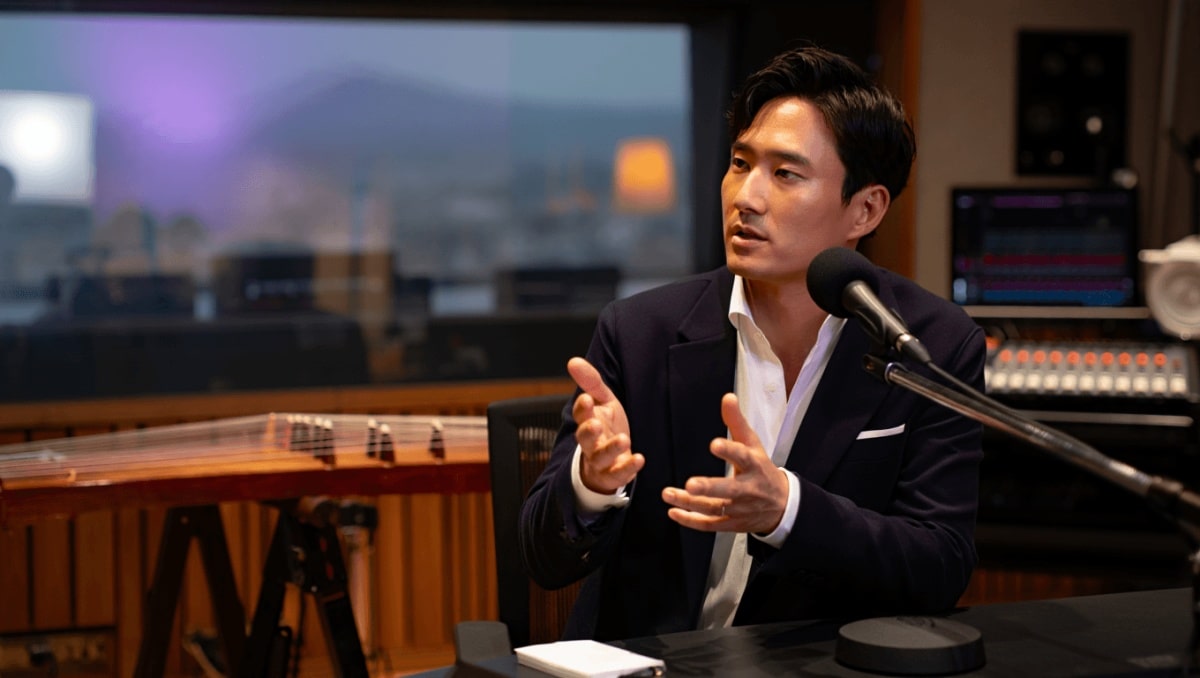
In a recent interview, Bang Si‑hyuk — the producer behind BTS and founder of HYBE — opened up about the creative choices and behind‑the‑scenes debates that shaped the group’s reinterpretation of “Arirang.” His account sheds light on how a traditional melody was reworked for a global pop audience and why that decision still matters for Korean music on the world stage.
Bang framed the project as a careful balancing act: preserving the song’s cultural roots while making it sonically and emotionally accessible to listeners who had never heard the folk tune before. He described the move as deliberate rather than opportunistic, driven by artistic curiosity and a desire to connect modern audiences with Korean heritage.
Production and creative direction
Bang emphasized that the arrangement process involved multiple collaborators across genres. Producers and arrangers experimented with tempo, instrumentation and vocal delivery to maintain the melody’s recognizability without turning the track into a pastiche.
There were specific decisions that nearly derailed the project: whether to use traditional instruments as a dominant feature, how literal the lyrical reinterpretation should be, and how to stage the song in performance so it would read as respectful rather than theatrical. Those conversations extended beyond the studio and involved management, musical directors, and the members themselves.
Why this resonated globally
By anchoring a contemporary pop production in a centuries‑old tune, the team created a bridge between local cultural memory and global pop sensibilities. Bang noted that the risk paid off because the production honored the original motif while framing it in a way that made emotional sense to international listeners.
Implications for artists and industry
The episode illustrates a broader pattern in K‑pop: creative teams increasingly mine national cultural materials for fresh narratives, but these efforts demand cultural sensitivity and strong artistic vision. For entertainment companies, the lesson is that authenticity requires more than surface aesthetics; it requires consultation, musical research, and willing collaboration with tradition bearers.
Key takeaways
– Intentional adaptation: The project was planned to preserve the core melody while updating arrangement and production.
– Collaborative process: Multiple creative voices — from producers to performers — shaped the final version.
– Cultural sensitivity: Debates over instrumentation and lyrical approach show how seriously the team treated the source material.
– Global payoff: Framing a familiar folk motif in contemporary pop terms can expand cultural reach without erasing origin.
– Industry precedent: The move signals how major labels might approach heritage music going forward.
Perspective
Bang’s reflections are timely as global audiences demand both novelty and authenticity. For fans, the story enriches appreciation of the track; for industry watchers, it highlights the increasing complexity of producing music that must perform simultaneously as local heritage and international pop.
Whatever one thinks of the artistic choices, the making of this version of “Arirang” illustrates a turning point: Korean music creators are no longer simply exporting polished pop acts, they’re negotiating how national culture is presented on a planetary stage — and those negotiations are shaping both sound and strategy.