Show summary Hide summary
- 🔥 Quick Facts
- Who Is Kailash Satyarthi and Why He Deserves This Honor
- The Legacy of Lata Mangeshkar and Why This Award Matters
- Ceremony Details and Other Awardees Making History in Pune
- Why April 24 Remains Sacred for the Mangeshkar Family and India
- What This Award Means for the Future of Child Rights Advocacy
Nobel Peace Prize laureate Kailash Satyarthi is receiving a prestigious honor that celebrates his lifetime of fighting child exploitation. The Lata Mangeshkar Award recognition marks a defining moment for this champion of children’s rights. Discover why this award matters and what it says about global compassion.
🔥 Quick Facts
- Award: Kailash Satyarthi will receive the 2026 Lata Deenanath Mangeshkar Award for his humanitarian work
- Event Date: Ceremony scheduled for April 24, 2026, marking Master Deenanath Mangeshkar’s 84th death anniversary
- Location: Ganesh Kala Krida Mandir in Pune, occurring from 5 pm to 10 pm
- Organizers: Master Deenanath Mangeshkar Smruti Pratishthan and Hridayesh Arts coordinating the ceremony
Who Is Kailash Satyarthi and Why He Deserves This Honor
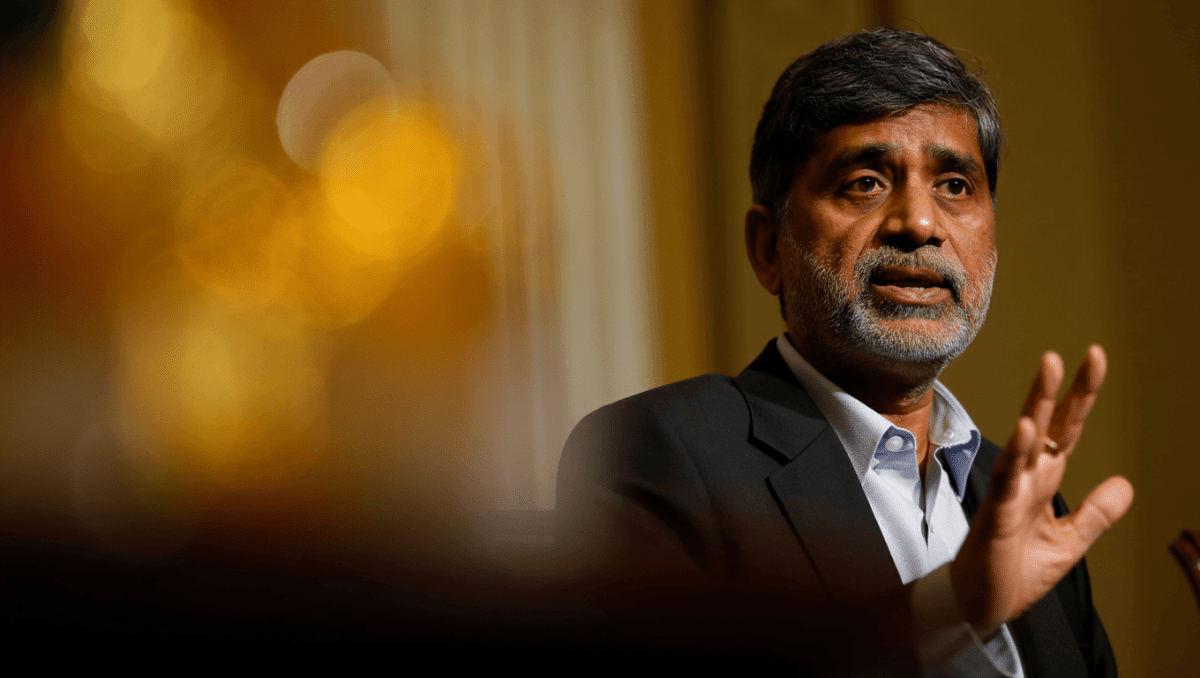
Kailash Satyarthi, born in 1954, has devoted over four decades to fighting child labor and exploitation globally. In 2014, he won the Nobel Peace Prize at age 60 for his relentless crusade against child slavery. He left a lucrative electrical engineering career in 1980 to rescue trafficked children. His organization, Bachpan Bachao Andolan, has liberated thousands of children from bondage. Today, Satyarthi remains the global voice urging nations to protect every child’s right to education and childhood.
This award reflects Satyarthi’s singular commitment to child welfare. The Lata Mangeshkar Award recognizes individuals whose work creates lasting social and cultural impact. By honoring Satyarthi alongside artists and performers, the award affirms that social justice deserves celebration equal to any artistic achievement.
India Fowler cast as Grace Ivers in Off Campus Season 2 on Prime Video
Shah Rukh Khan backs Saif Ali Khan’s Kartavya for May 15 Netflix premiere
The Legacy of Lata Mangeshkar and Why This Award Matters
Lata Mangeshkar, Bharat Ratna recipient and India’s greatest playback singer, passed away in February 2022 at age 92. The Mangeshkar family established this award to honor her memory and values. Master Deenanath Mangeshkar, her father, emphasized art, culture, and social responsibility—principles the family upholds today.
The ceremony celebrates the Mangeshkar legacy spanning generations. Hridaynath Mangeshkar, Lata’s brother, announced Satyarthi’s selection personally, signaling deep respect for his work. Musicians like Mahesh Kale and actors like Raveena Tandon also receive awards, showing the event bridges artistic and humanitarian excellence.
Ceremony Details and Other Awardees Making History in Pune
| Category | Award Winner |
| Humanitarian/Social Service | Kailash Satyarthi |
| Music | Mahesh Kale |
| Dance | Shama Bhate |
| Theatre and Cinema | Subodh Bhave |
| Cinema | Raveena Tandon, Prajakta Mali |
| Journalism | Sushil Kulkarni |
| Literature | Achyut Godbole |
The ceremony at Ganesh Kala Krida Mandir spans five hours and features performances celebrating Lata’s music legacy. Musical tribute “Mee Lata Dinanath…” will be presented by Hridaynath Mangeshkar himself. Vishwanath Karad, founder of MIT World Peace University, attends as chief guest. Performers include Vibhavari Joshi, Savani Ravindra, and Shreyasi Pavgi.
“Kailash Satyarthi has dedicated his life to the struggle against the exploitation of children and young people, and for the right of all children to education.”
— The Nobel Prize Committee, recognizing his 2014 achievement
Why April 24 Remains Sacred for the Mangeshkar Family and India
Master Deenanath Mangeshkar passed away on April 24, 1942, making this date profoundly symbolic. For 84 years, it has honored his contributions to Indian classical music and family values. By presenting awards annually on this date, Hridaynath and his family ensure Deenanath’s legacy lives through celebrating modern heroes like Satyarthi.
The award ceremony transforms this remembrance day into a celebration of excellence, compassion, and service. Satyarthi’s selection affirms that fighting for child rights ranks among humanity’s noblest endeavors, deserving recognition alongside music, cinema, and literature. This year’s event promises to be emotionally powerful, blending Mangeshkar family heritage with global humanitarian achievement.
What This Award Means for the Future of Child Rights Advocacy
Recognition from India’s most respected cultural institution amplifies Satyarthi’s mission on the world stage. When Lata Mangeshkar, a icon of Indian soft power, is linked with child welfare advocacy through this award, it sends a clear message. Nations must protect children not as an afterthought but as a central moral imperative.
Satyarthi has spent decades bridging developed and developing nations through shared commitment to children’s safety. This honor proves that humanitarian work transcends borders and deserves celebration equal to any cultural achievement. As child trafficking remains a global crisis, Satyarthi’s recognition inspires a new generation to join the fight for childhood reclaimed. Will this award galvanize more global action against the silent emergency of child exploitation?