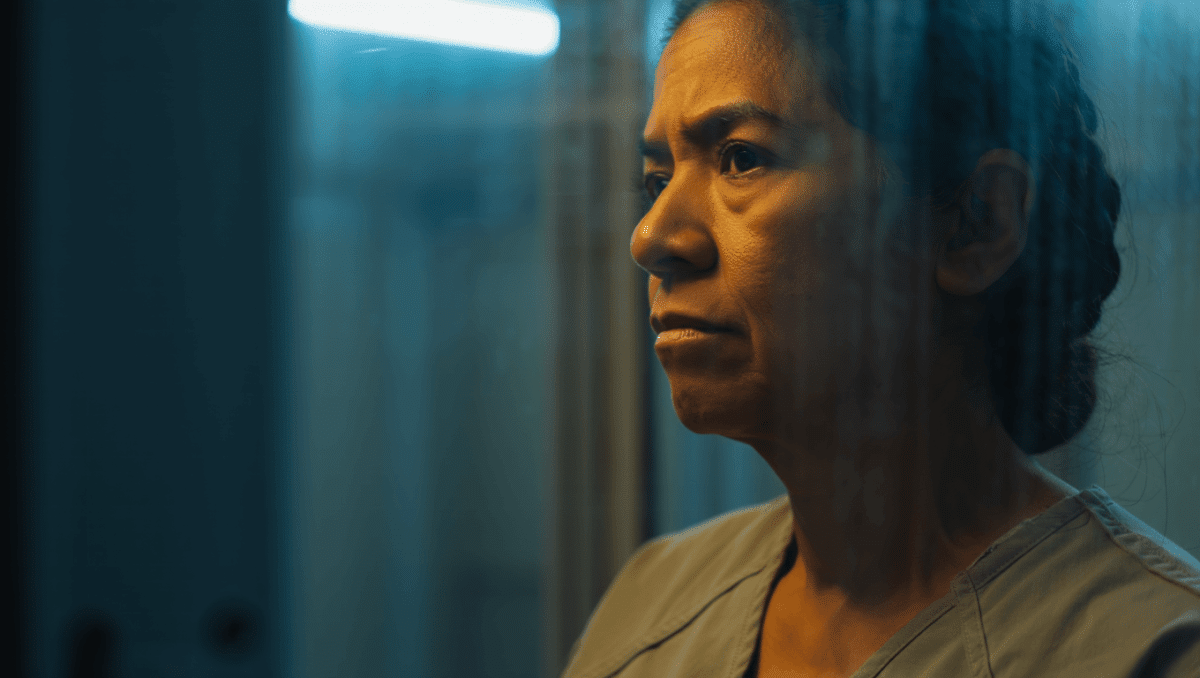
Yolanda Saldívar won’t see freedom until 2030. The Texas parole board denied her release on March 27, 2025, more than three decades after shooting the Tejano music queen. Her case will remain locked until the next review in five years.
🔥 Quick Facts
- Crime: Shot Selena Quintanilla-Perez on March 31, 1995 at a Corpus Christi hotel
- Sentence: Life in prison with possible parole after 30 years, currently age 65
- Parole Decision: Denied March 27, 2025, next review set for March 2030
- Reason: Parole board found she continues to pose a threat to public safety
The Crime That Shocked the Music World
On March 31, 1995, Selena Quintanilla-Perez was fatally shot by Yolanda Saldívar, the president of her fan club. The 23-year-old Tejano icon was gunned down at a hotel in Corpus Christi, Texas, after confronting Saldívar about missing fan club funds. With her last words, Selena identified her shooter to hotel staff, uttering “Yolanda, room 158.” The shooting sent shockwaves through the music industry and devastated Latino communities nationwide.
Saldívar, then 35 years old, had gained Selena’s trust as her fan club leader and close associate. Their relationship had turned toxic over alleged financial irregularities. When confronted about embezzling thousands from the singer’s earnings, Saldívar brought a gun to the meeting. She claimed the weapon discharged accidentally, but prosecutors argued she killed Selena intentionally over the money dispute.
Three Decades Behind Bars, Justice Upheld
On October 23, 1995, a Houston jury found Saldívar guilty of first-degree murder. She received a life sentence with the possibility of parole after 30 years. For three decades, she remained incarcerated in the Texas Department of Criminal Justice. In January 2025, the parole review process began, marking her first real chance at freedom since her conviction.
The parole board’s March 27, 2025 decision came after careful consideration of her case. According to multiple sources, the board determined that Saldívar continues to pose a significant threat to public safety. The parole panel cited the nature and brutality of the offense, emphasizing that taking a young life in such violent circumstances warranted continued imprisonment. This decision provides closure to Selena’s family and her millions of fans worldwide.
| Parole Case Detail | Information |
| Conviction Date | October 23, 1995 |
| Parole Eligibility | March 2025 (after 30 years) |
| Parole Denial Date | March 27, 2025 |
| Next Review | March 2030 |
“After a thorough consideration of all available information, the panel found that the offender continues to pose a threat to public safety.”
— Texas Board of Pardons and Paroles, Statement on Saldívar’s Denial
Selena’s Lasting Impact and Unfinished Legacy
Selena Quintanilla-Perez became the first female Tejano artist to win a Grammy Award before her death. Known as the Queen of Tejano Music, she catapulted a regional genre into mainstream American consciousness. She performed for 98,000 fans in Monterrey, Mexico, breaking attendance records. At just 23 years old, Selena had already revolutionized Latin music and inspired countless artists worldwide.
Her legacy endures across three decades. New generations of Latina artists continue to embrace her music and legacy. Selena broke gender barriers in a male-dominated industry, proving that a young Latina could command stages, win awards, and achieve international prominence. Had she lived, music historians argue she would have become a multigenerational cultural icon. Instead, her tragic death cemented her as a timeless symbol of talent, determination, and unfulfilled dreams.
Why More Children Could Have Been Victims, and What Parole Boards Consider
The Texas parole board evaluates multiple factors when deciding whether to release inmates. For violent offenders like Saldívar, the board examines the circumstances of the crime, institutional behavior, and likelihood of reoffending. The nature of Selena’s murder—a shooting motivated by financial panic and emotional conflict—demonstrated a capacity for extreme violence under pressure. At 65 years old, Saldívar remains classified as an ongoing danger to the community.
Parole boards across the nation cite similar reasoning when denying release to murderers. The brutality of the offense weighs heavily in assessments. Critics and supporters of the denial alike acknowledge that some crimes are too severe to overlook simply because decades have passed. The victim’s family, Selena’s fans, and her legacy all factored into the board’s determination to keep her killer incarcerated. The unanimous decision reflects widespread belief that her release would dishonor Selena’s memory and betray the trust of Texas communities.
Sources
- NPR – Coverage of parole denial and Selena’s legacy as Tejano music icon
- TxDCJ/Texas Board of Pardons and Paroles – Official parole decision and case details
- CBS News – Reporting on Saldívar’s next parole review date and denial reasoning