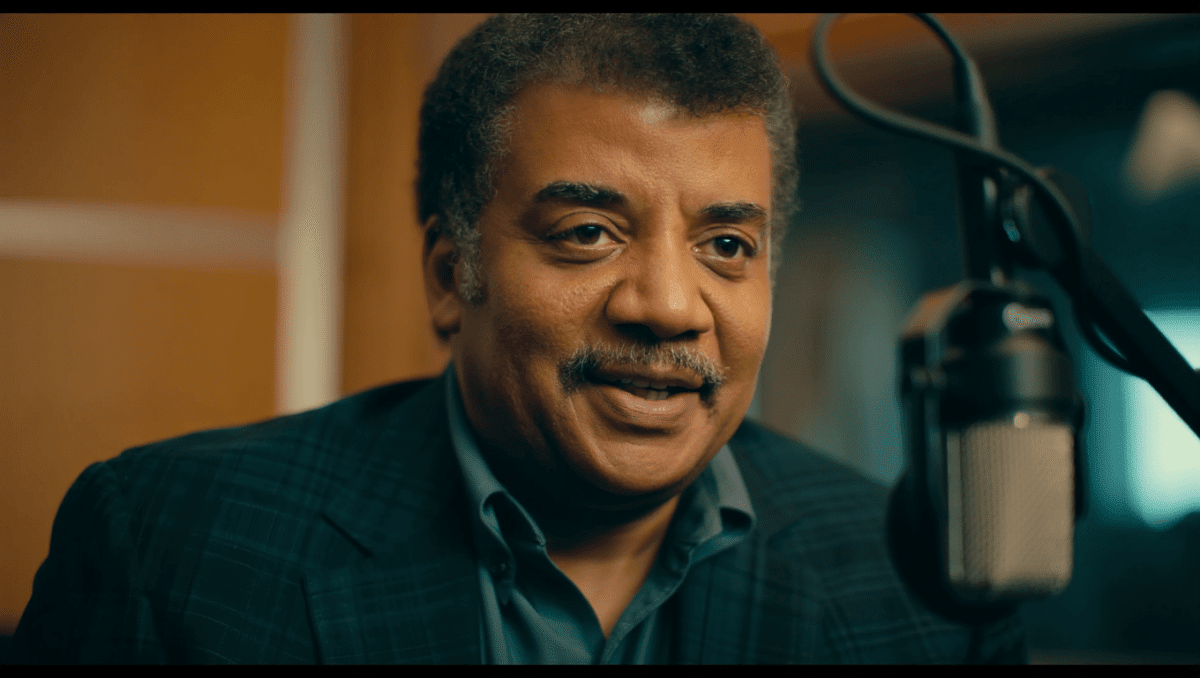
Neil deGrasse Tyson shocked fans yesterday with a cosmic hot take. If aliens landed and demanded an audience, the legendary astrophysicist says Taylor Swift deserves the podium, not world leaders. His reasoning challenges everything we assume about who represents humanity.
🔥 Quick Facts
- The Statement: Neil deGrasse Tyson named Taylor Swift as ideal first contact ambassador on Grave Conversations podcast
- The Context: Host David Dastmalchian asked who would be “Manager of Earth” to meet extraterrestrials
- The Reasoning: Swift’s cultural influence reaches millions globally, surpassing political hierarchies
- The Reaction: Fans erupted in support, claiming Swift would handle alien diplomacy better than current leaders
Why This Sparked a Viral Moment
Neil deGrasse Tyson, age 65, runs the Hayden Planetarium in New York. He hosts StarTalk and built his career explaining cosmos without jargon. Yesterday’s comment wasn’t frivolous but pointed. During the Grave Conversations episode, Tyson posed a thought experiment that grabbed global attention.
His answer was instant: Taylor Swift. The astrophysicist didn’t hesitate. He argued that someone whose work resonates across cultures might forge better first contact than diplomats bound by protocol.
The Global Icon vs. Government Elite
Taylor Swift, 34, occupies a rare cultural position. Her songs became emotional soundtracks for millions. Unlike elected leaders tied to borders, Swift’s influence transcends politics. Tyson’s argument suggests that human unity might come through shared culture, not institutional power.
Political leaders defend national interests. Swift, by contrast, speaks universal language through storytelling and melody. Aliens seeking Earth’s essence might learn more from an artist shaping global consciousness than from diplomats reading scripts.
Swift’s Actual Space Connection
Ironically, Taylor Swift herself refuses space travel. She told radio hosts that going to space terrifies her. No fascination with cosmos, she explained. No desire to leave the planet. The thought of launching skyward “completely freaks her out,” she admitted.
| Space Fact | Detail |
| Swift’s Music in Orbit | 1989 album launched via Project DaVinci satellite in 2018 |
| Cultural Impact Measure | Asteroids compared to “eight Taylor Swifts” for scale reference |
| Space Enthusiasm | Zero interest in astronaut missions |
| Golden Record Status | Fans debate if Swift belongs on future space probes |
Yet her music orbited Earth anyway. A 2018 CubeSat mission carried her 1989 album into space as a time capsule. Newspapers joke about asteroid size in terms of “Swift units.” The irony is delicious: the woman terrified of space now has cultural artifacts floating in orbit.
“Rather than leaders of governments or military forces, he suggested entrusting initial contact to someone whose work resonates with people across cultures and continents.”
— IBTimes UK, Analysis of Tyson’s reasoning
What Happens When Science Meets Pop Culture
Tyson’s observation highlights a fundamental shift. Traditional power structures rank political leaders first. Scientific authority second. Artists? Usually last. But Swift’s 2.5 billion streams and 73 million monthly listeners suggest something unexpected: culture moves humanity more than policy now.
When the Hayden Planetarium director recommends a pop star as Earth’s ambassador, it signals a crack in old hierarchies. Aliens might not understand politics, but they’d understand universal human emotions. Swift’s catalog communicates love, loss, growth, and resilience across every language barrier.
Is This Tyson’s Serious Position or Comic Genius?
The astrophysicist himself clarified afterward that he wasn’t literally predicting Swift’s space encounter. But the thought experiment carries serious weight. Who truly represents humanity? Do official channels speak for global consciousness, or does culture? Tyson’s answer leans toward the latter, and his credibility makes the question unavoidable now.
Would alien visitors benefit more from a state dinner with diplomats, or from understanding “Lover” and “All Too Well.”? Tyson suggests the latter might reveal Earth’s truth more completely. Taylor Swift doesn’t control armies or laws. She shapes how billions feel. For an extraterrestrial assessment of humanity, which matters more?
Sources
- IBTimes UK – Detailed coverage of Grave Conversations podcast episode and Tyson’s statement
- MSN Entertainment – Comprehensive analysis of Tyson’s reasoning and cultural impact assessment
- Reddit r/TaylorSwift – Community reactions and cross-fandom discussion threads