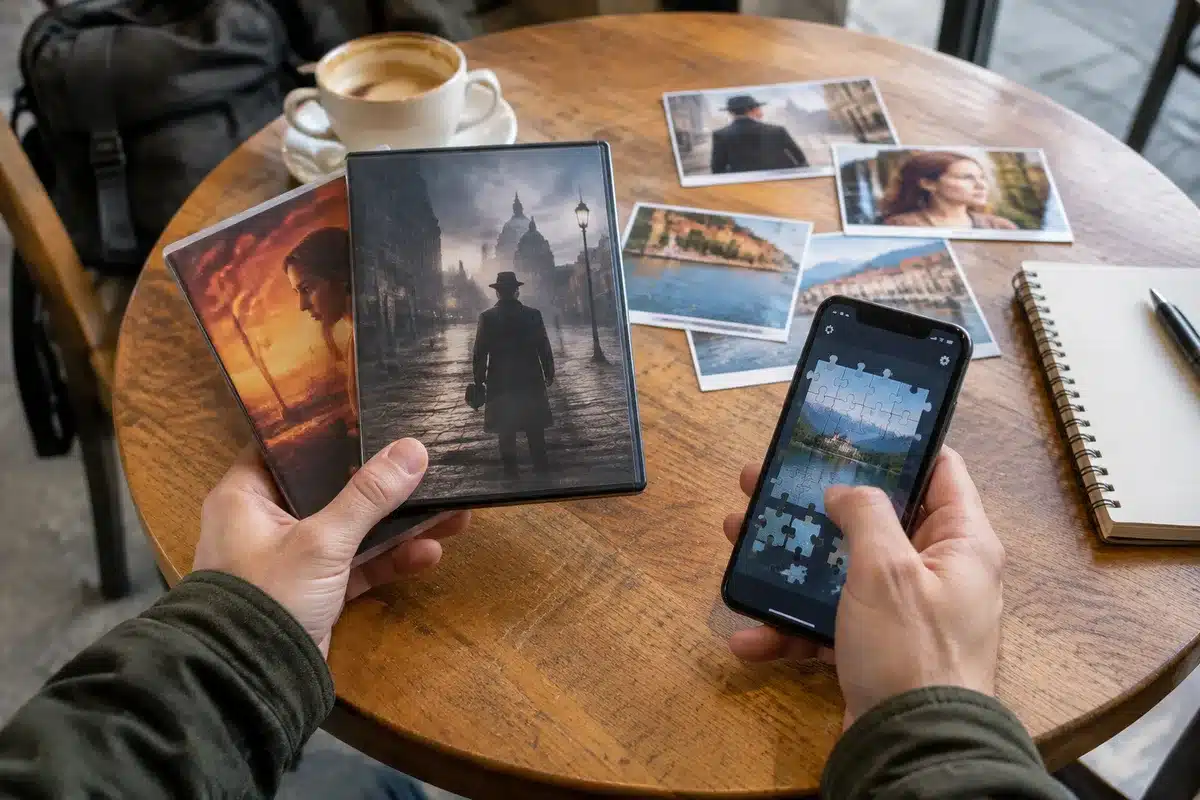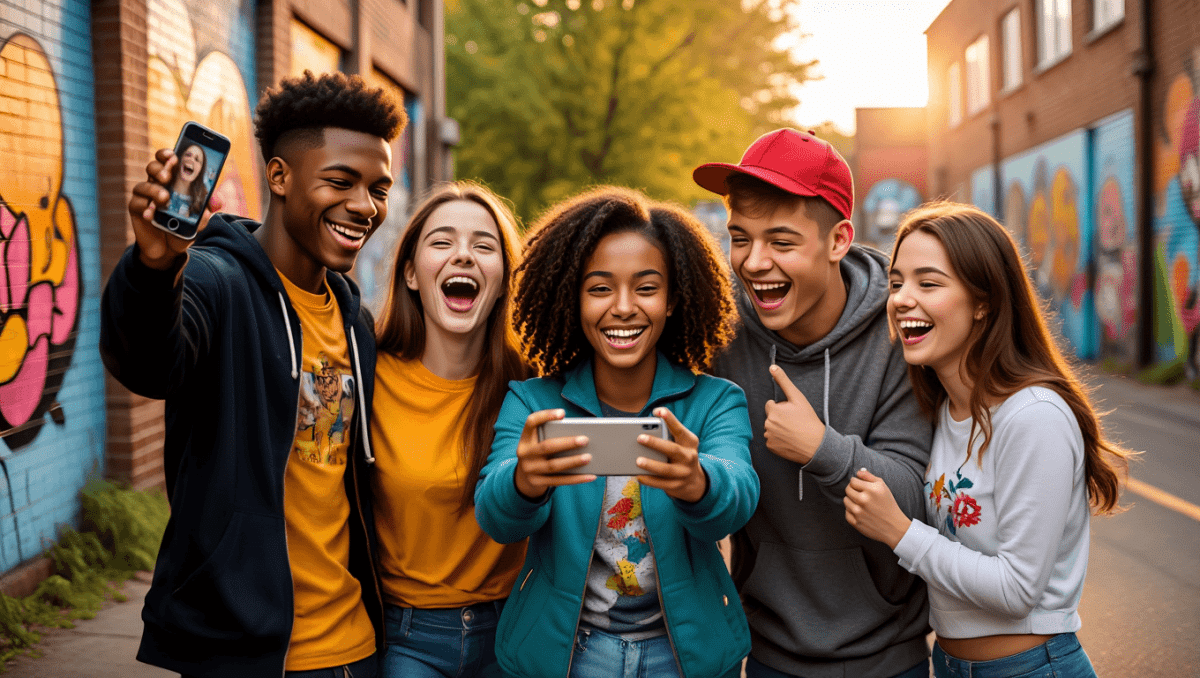
Generation Z (born 1997-2012) has fundamentally reshaped modern culture in just two decades. From streaming habits to social media dominance, Gen Z’s influence continues expanding into 2026. Here’s why this 276 million-person generation has become the cultural force redefining entertainment, values, and digital life.
🔥 Quick Facts
- Birth Years: Born between 1997 and 2012, spanning 15 years of generational definition
- Digital Natives: First generation raised entirely in the digital age with smartphones as life staples
- Workforce Impact: Already comprising 30% of the global workforce in 2025, reshaping workplace culture
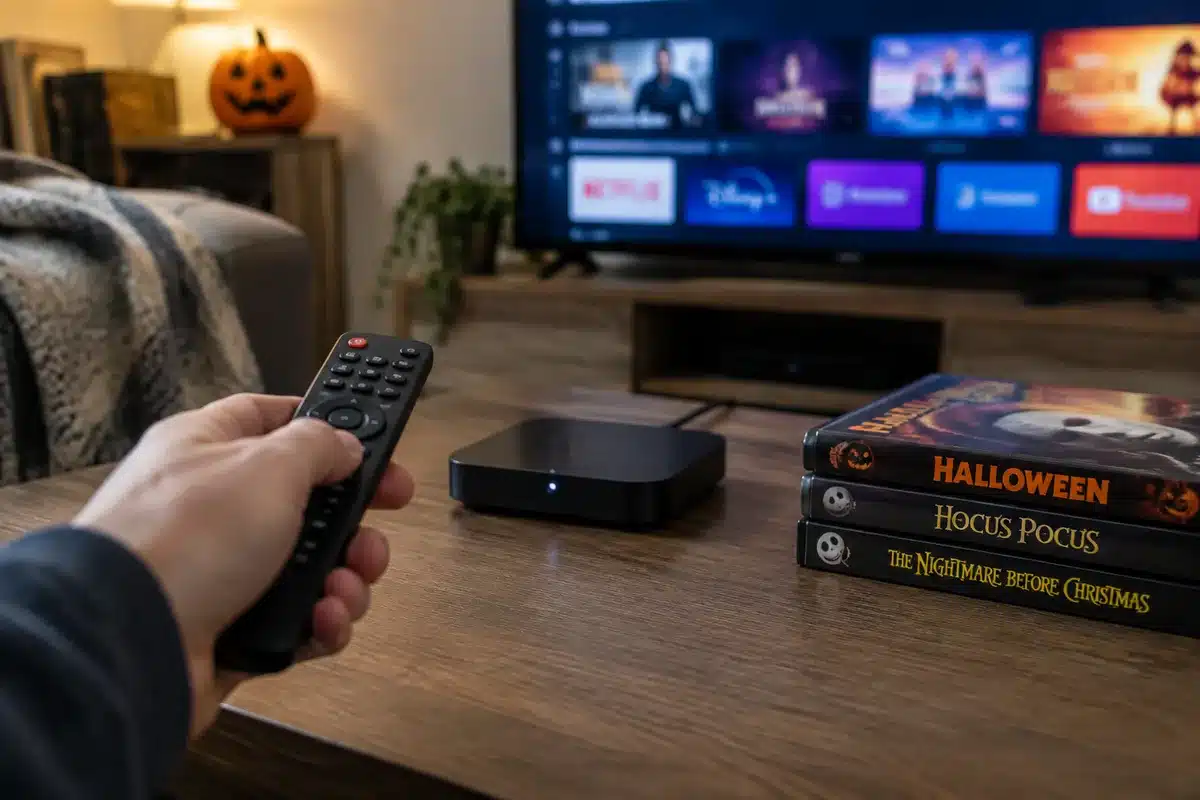
- Media Consumption: 46% spend daily time streaming video, 43% on music, abandoning traditional TV entirely
The Digital Natives Redefining Everything
Generation Z didn’t just grow up with technology. They were the first cohort to have smartphones as childhood companions. This fundamental difference shapes how they consume media, form relationships, and engage with brands. Unlike previous generations who adopted digital tools later, Gen Z navigated puberty through Instagram, discovered music on Spotify and TikTok, and built entire social lives through screens.
The impact is staggering. According to recent research, 46% of Gen Z prioritizes streaming video as their primary entertainment, completely bypassing traditional television. This generation is pioneering hyperreality, where online culture dictates offline behavior. They value authenticity over polish, seek inclusive representations, and demand personalization from every brand interaction.
Social Media Dominance and Influencer Culture
Gen Z ditched Google for TikTok, fundamentally disrupting digital search behavior. Recent findings reveal 46% of young adults bypass traditional search engines, instead asking social platforms for recommendations. TikTok, Instagram, and YouTube Shorts have become the primary discovery engines for this demographic.
This shift created a new celebrity hierarchy. Micro-influencers and digital creators now rival traditional A-list celebrities in influence. Remarkably, 57% of Gen Z aspire to become influencers themselves, viewing content creation as legitimate career paths. Creators like Charli D’Amelio, Addison Rae, and Billie Eilish command followings that dwarf traditional media celebrities, reshaping how entertainment value is calculated in 2026.
Streaming Preference and Entertainment Spending
| Platform Type | Willingness to Pay | Primary Usage |
| Streaming Video (Netflix, etc.) | 81% willing to pay | Daily consumption, co-viewing |
| Music Streaming (Spotify, etc.) | 64% willing to pay | Commutes, studying, workouts |
| Social Media Premium (TikTok+) | Emerging trend in 2025-2026 | Enhanced visibility, monetization |
| Traditional Cable TV | 36% only usage | Declining, older demographic preference |
Gen Z has completely inverted entertainment spending. Rather than cable subscriptions, they’re investing in multiple streaming services simultaneously. 81% support streaming video payments, signaling that this generation views on-demand content as essential infrastructure, not luxury goods. The shift away from traditional TV is so complete that traditional cable now attracts just 36% of Gen Z viewers.
“Today’s Gen Zers are pioneering a Hyperreality where online culture dictates offline behavior, and nearly half report forming meaningful relationships with AI. It’s a generation that rejects airbrushed perfection and values the affordable over traditional financial milestones.”
— VML, Future 100 Report 2026
Values-Driven Culture and Political Voice
Generation Z is the most values-conscious generation ever recorded. They grew up through the 2008 financial crisis, pandemic disruption, climate anxiety, and social upheaval. This backdrop created a generation obsessed with authenticity, sustainability, and social justice. For Gen Z, brand values matter more than product quality. They demand transparency, support for marginalized communities, and clear environmental commitments.
This values-driven approach extends to career choices. Gen Z prioritizes meaningful work over salary maximization, seeks flexible employment structures, and rejects traditional corporate hierarchies. They’re redefining what success looks like, rejecting the previous generation’s obsession with home ownership and stock portfolios. This shifts creates a fascinating paradox: one in three Gen Zers project never to marry, fundamentally altering consumer targeting across industries.
What Does Gen Z’s Cultural Dominance Mean for Tomorrow?
The question isn’t whether Generation Z will shape culture going forward. They already are. From fashion maximalism replacing quiet luxury to TikTok becoming the default search engine, from AI relationships to analog hobbies, Gen Z continues rewriting every rule. Entertainment studios struggle to book Gen Z attention without TikTok virality. Luxury brands scramble to embrace maximalism. Traditional media outlets desperately hire Gen Z creators to understand their audiences.
As this generation matures into their peak earning years, their influence will only accelerate. The brands, platforms, and cultural institutions thriving in 2026 and beyond won’t be those clinging to Millennial preferences or Baby Boomer values. They’ll be the ones who understand that Generation Z doesn’t follow culture, they create it. They’re not consumers of entertainment, they’re producers and curators. And they’ve barely gotten started.
Sources
- Britannica – Generation Z demographics and characteristics, March 2026
- Mastercard – Gen Z and Gen Alpha culture shift report, February 2026
- Ask Attest – Gen Z media consumption and streaming preferences, March 2026