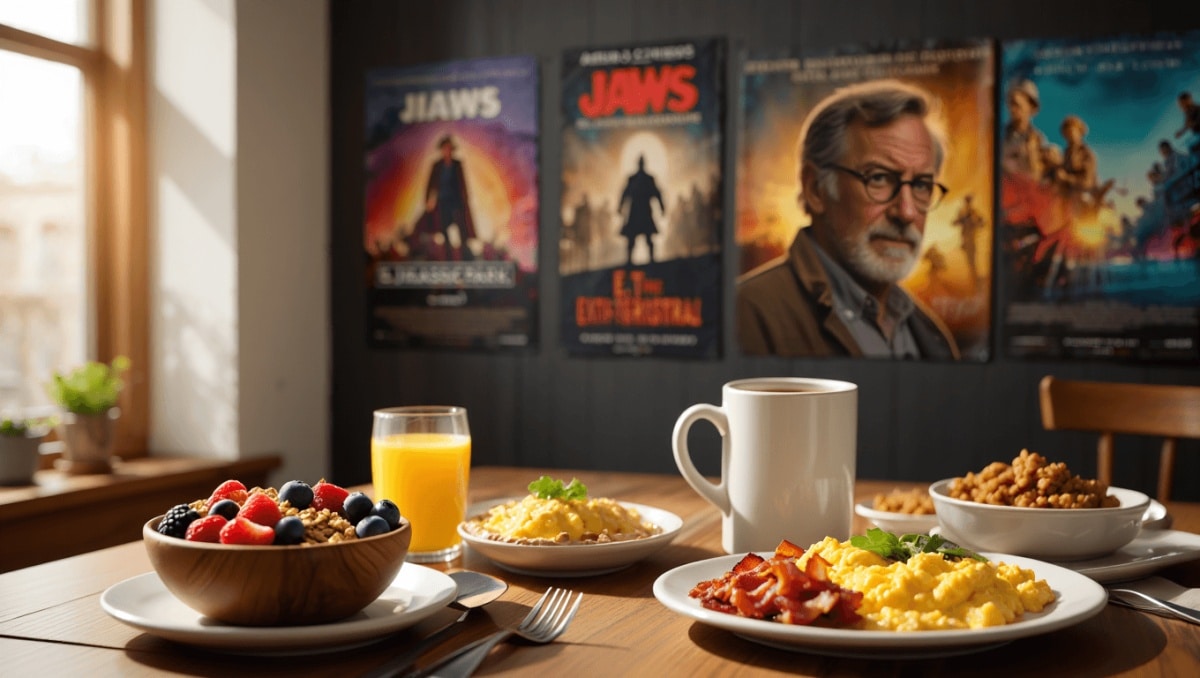
A lighthearted personality quiz that pairs morning meals with Steven Spielberg films has been circulating on social platforms, drawing clicks and conversation from fans and casual viewers alike. Beyond the novelty, the quiz highlights how simple choices—what we eat, how we start the day—are being used as hooks for shareable media and rapid audience engagement.
How a breakfast quiz becomes viral content
At first glance the quiz is harmless fun: pick your go-to breakfast and receive a Spielberg title as a playful personality mirror. But the format also uses a handful of effective editorial mechanics—nostalgia triggers, clear binary options, and culturally familiar films—to encourage rapid responses and sharing.
That matters because short, emotionally resonant quizzes are favored by social feeds and often perform well in recommendation surfaces such as Google Discover. They’re easy to consume on mobile, invite debate, and provide writers and publishers with quick metrics about audience tastes.
Typical pairings from the quiz
The quiz’s mappings are broadly intuitive: simple, comforting breakfasts tend to match Spielberg’s warmer, more nostalgic work; adventurous or messy choices go with action-oriented films; sober or minimalist options correspond to his serious dramas. Below is a representative set of pairings commonly seen in these formats.
| Breakfast choice | Spielberg film | Why this pairing |
|---|---|---|
| Cold cereal | E.T. the Extra-Terrestrial | Simple and childhood-focused, cereal evokes the innocent, family-centered tone of the film. |
| Pancakes or waffles | Raiders of the Lost Ark | Comfort food with a bit of theatricality—good for fans of classic adventure and momentum-driven stories. |
| Full cooked breakfast | Jurassic Park | Big, cinematic and a little chaotic—matches the spectacle and unpredictability of the film. |
| Black coffee only | Munich | Spare and serious, reflecting a more sober, reflective filmmaking strand in Spielberg’s work. |
| Avocado toast or light brunch | Catch Me If You Can | Stylish and modern, paired with a film that blends caper energy and sleek production design. |
| Fruit and yogurt | Close Encounters of the Third Kind | Curiosity-driven and gently cerebral—appeals to viewers who favor wonder and the unexplained. |
| Skip breakfast | Schindler’s List | Reserved and weighty—selected to reflect viewers who gravitate toward serious historical drama. |
| Takeout or fast breakfast on the go | Minority Report | Fast-paced, futurist themes align with a grab-and-go lifestyle. |
What editors and readers should take away
- Nostalgia works: Tapping familiar films like E.T. or Raiders lowers the barrier to engagement and prompts social sharing.
- Format matters: Quick choices and instant results are optimized for mobile attention spans and social timelines.
- Context is important: Light entertainment quizzes can be harmless, but using serious historical films in a playful context requires sensitivity.
For publishers, the quiz model is a low-cost way to attract traffic and collect audience signals. For readers, these quizzes offer bite-sized entertainment and a chance to reflect on what cultural touchstones resonate with them. Both sides benefit when creators balance shareability with editorial care—especially when quizzes touch on weightier titles in a director’s catalogue.
Why this is relevant to discovery platforms now
Recommendation engines favor content that drives immediate engagement. A short quiz about breakfast and movies ticks several boxes: it’s interactive, emotionally resonant, and easily formatted for mobile feeds. That’s why you’ll repeatedly see similar formats on Google Discover, social apps, and aggregator pages.
Still, as publishers chase clicks, platforms and readers increasingly demand quality signals—accurate context, tasteful presentation, and clear intent. Quizzes that respect those boundaries tend to sustain attention and earn better long-term visibility than publications that rely solely on gimmicks.
Whether you take the quiz for fun or note it as a piece of modern content strategy, the trend underscores a simple truth: everyday choices are now part of how media outlets craft shareable stories and build fleeting cultural conversations.