Julio Torres just premiered his groundbreaking Color Theories on HBO Max, and it’s unlike any comedy special you’ve encountered before. The Peabody-winning filmmaker explodes traditional stand-up, blending design, dream logic, and theatrical spectacle into a 1-hour-12-minute visual masterpiece that dissects how we understand identity through chromatic language.
🔥 Quick Facts
- Release Date: March 27, 2026 on HBO Max at 8 PM ET/PT
- Runtime: 1 hour 12 minutes of surreal theatrical comedy and art
- Previous HBO Special: My Favorite Shapes (his first HBO special in 2019)
- Source: Off-Broadway run at Performance Space with multiple extensions
Design as Philosophy, Comedy as Tool
Torres frames Color Theories as something far more ambitious than traditional comedy. According to The Hollywood Reporter, he describes it as a “mission statement” about using colors to analyze the world. “It is not so much analyzing colors as it is using colors to analyze,” Torres explained. Each shade carries psychological weight, emotional resonance, and dark social commentary that exposes hidden systems beneath everyday life.
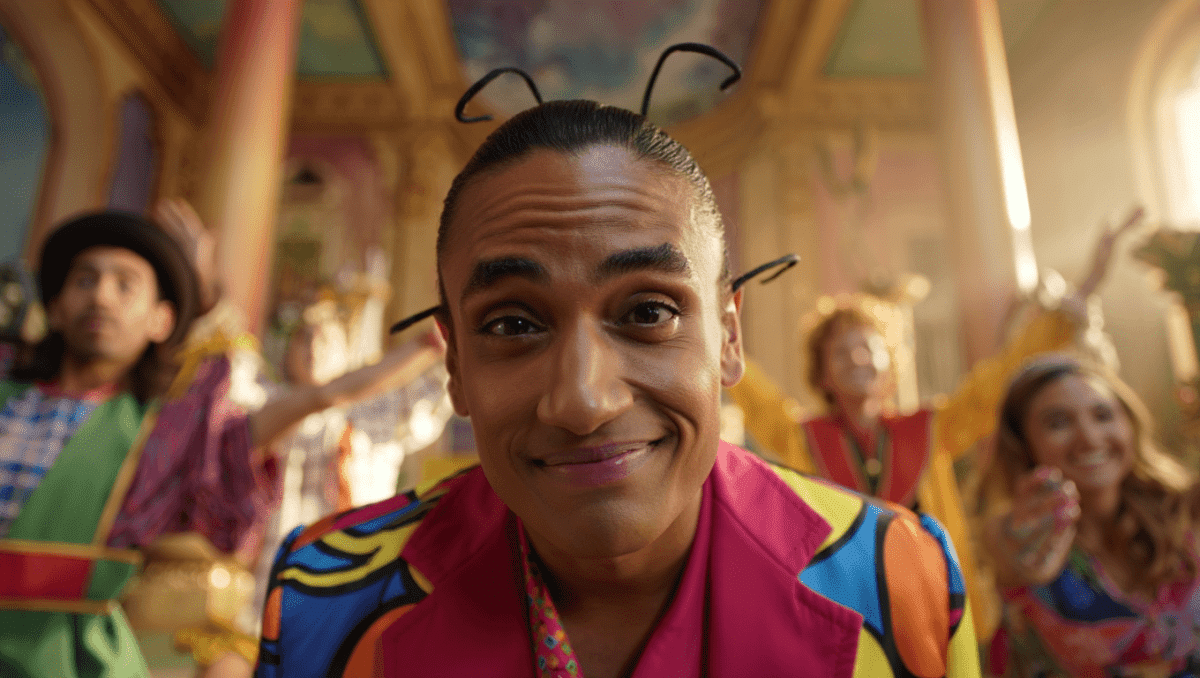
The visual language borrows from golden-era animation like Fleischer Studios and early Disney, creating a pop-up book aesthetic that unfolds into a living, breathing set. Characters emerge as anthropomorphic objects—a wine spill, a music box—transforming the stage into a tangible dreams pace where nothing is accidental.
Navy Blue Is Everything You Hate About Systems
Torres obsesses over one particular shade: navy blue, which represents bureaucratic logic masquerading as common sense. Immigration law, voter ID requirements, and ICE at airports all exemplify what he calls “navy blue in action”. “Laws that masquerade as being common sense but have a lot of hidden corners,” he told The Hollywood Reporter. Even simple rules about toplessness in public become exhibits in his case against invisible systemic bias.
Red cars, by contrast, scream danger and sexuality. Primary blue is pure logic, where two plus two equals four. The 1970s color palette for vehicles was richer than today’s monochrome reality of black, white, gray, and blue. His dissection of The Devil Wears Prada’s cerulean scene proved that color choice matters profoundly to human perception and identity.
From Off-Broadway Gamble to HBO Triumph
| Detail | Information |
| Venue | Performance Space, NYC (downtown iconic theater) |
| Run Duration | Sept 3 – Oct 10, 2025 with multiple extensions |
| Recorded Version | HBO Max release on March 27, 2026 |
| Director/Creator | Julio Torres (writer, director, performer) |
Torres explicitly rejected extending the show into a month-long Broadway run or a national tour—the traditional path to maximizing profit. “I fell in love with a tangible live production,” he said, emphasizing his lack of interest in performing the same hour repeatedly. The brief off-Broadway run felt complete, so HBO captured it for wider audiences, transforming ephemeral theater into permanent streaming art.
“I argue that no, we all do it. I am merely framing it. That scene from *The Devil Wears Prada* is one of the most famous color theories in cinema. On its face, it’s a monologue about fashion, but it is really about how nuances matter and how we think paying attention to color is artsy-fartsy and hoity-toity. In reality, we all do.”
— Julio Torres, discussing color philosophy in interviews
Identity, Irony, and the Robot Timekeeper
Bibo, a robot from Torres’ HBO series Fantasmas, appears as a “timekeeper” and unexpected critic. This choice wasn’t random: Torres wanted “a force to fight against, a non-antagonistic antagonist,” someone simply doing their job. The ending—where Bibo critiques the entire show—represents Torres’ commitment to self-examination without surrendering the work’s validity. “I was interested in a productive back and forth that doesn’t invalidate ideas but enhances them,” he explained to Them magazine.
Torres’ first solo performance deliberately avoids traditional theater conventions. He doesn’t bow, fearing it would break the illusion—much like revealing Miss Piggy’s puppeteer would destroy the magic. Standing in a hole at the finale, Torres commits fully to the absurdist logic he’s established, asking audiences to accept the world as he’s constructed it.
Will Color Theories Transform How You See Everything?
This special challenges whether comedy and visual art were ever meant to be separated categories. Torres calls it “equal parts comedy, theater, and art piece,” refusing conventional classification. His obsession with color as identity language suggests that everything we hate about bureaucracy, desire, danger, and belonging has been assigned a shade we didn’t fully recognize.
At its heart, Color Theories asks: Do we control color, or do colors control our perception of reality itself? Streaming now on HBO Max, this Peabody-winning filmmaker’s most intimate work might rewire how you think about fashion, politics, cars, and yourself. It’s an hour you should experience on the largest screen possible, color grading unblemished.
Sources
- The Hollywood Reporter – Julio Torres interview on color philosophy and show development
- Them Magazine – Teatro and design influences, ending choices, Bibo integration
- Playbill, Deadline, HBO Max – Release date, runtime, and broadcast schedule information