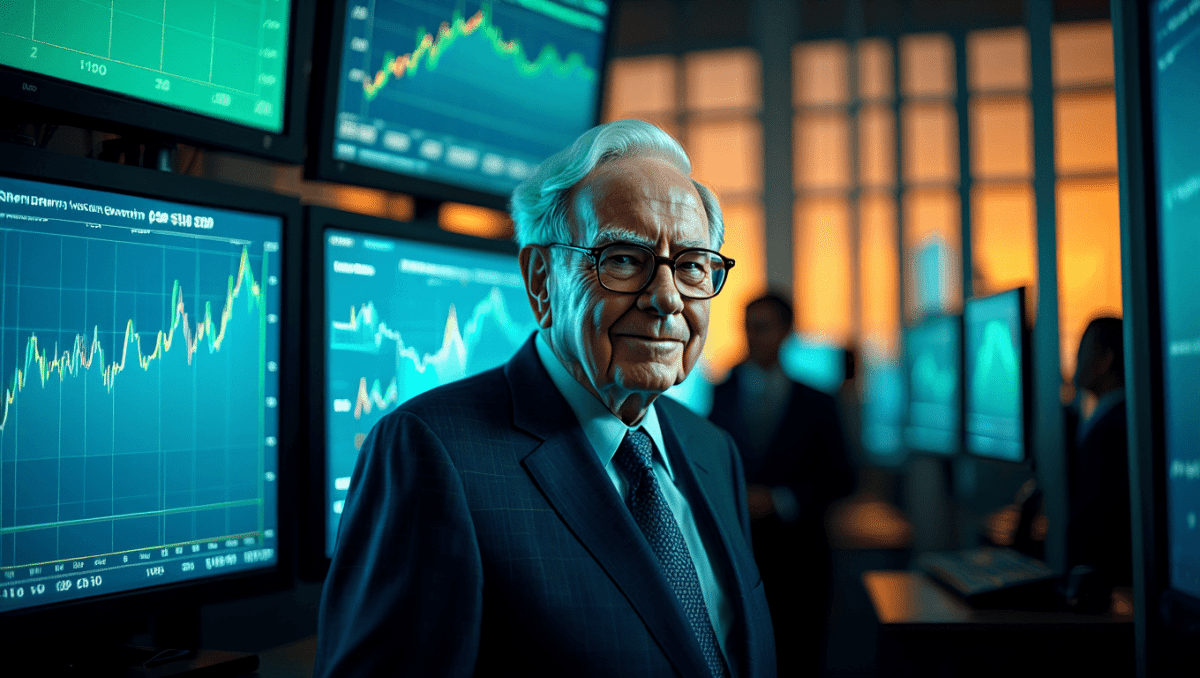
Warren Buffett just gave the nod. Berkshire Hathaway resumed stock buybacks today after nearly 2 years, signaling his confidence in the company’s future. Energy investments are soaring off the charts, up 33% to 46% this year alone.
🔥 Quick Facts
- Buyback Amount: $225 million repurchased on March 4, 2026, first time since early 2024
- CEO Approval: New Greg Abel consulted Warren Buffett before resuming the buyback program
- Energy Surge: Occidental Petroleum up 46% and Chevron up 33% year-to-date
- Cash Position: Berkshire maintains a fortress-like $373 billion cash hoard for opportunities
Buffett Gives Green Light to Share Buybacks
The legendary investor didn’t completely step away when he retired. Greg Abel, Berkshire’s new CEO who took charge January 1, recently disclosed that Buffett remained hands-on enough to approve the buyback resumption. The March 4 announcement showed $225 million in repurchases, marking the company’s first purchases in nearly two years. Abel himself bought $15 million worth personally, demonstrating conviction in the stock’s value. This move signals Buffett’s continued confidence despite recent market volatility.
Berkshire had halted buybacks throughout 2025, drawing investor questions about massive cash accumulation. The resumption erases those doubts and shows management believes shares trade below intrinsic value. Such confidence from both Abel and Buffett carries enormous weight in markets.
Energy Holdings Deliver Stunning Returns
Occidental Petroleum and Chevron dominate Berkshire’s energy plays, and both are crushing it. Occidental skyrocketed 46% year-to-date, while Chevron jumped 33%. Oil prices exceeded $100 per barrel recently, rewarding Buffett’s multi-year conviction in these names. Berkshire owns 26.7% of Occidental (264.9 million shares) and 8% of Chevron (130.1 million shares). These positions represent two of Berkshire’s 10 largest holdings by value.
The energy rally offset weakness elsewhere in Berkshire’s portfolio. This demonstrates why Buffett’s strategic diversification into oil matters during volatile markets. Geopolitical tensions and supply concerns keep energy premium valuations locked in.
Strategic Moves Strengthen Energy Position
| Investment | Details |
| Occidental Petroleum Stake | 26.7% ownership (264.9 million shares) |
| Chevron Addition | 8 million shares in Q4 2025, 8% total stake |
| OxyChem Acquisition | $9.7 billion purchase completed January 2, 2026 |
| Oil Price Environment | Over $100 per barrel currently |
Buffett completed his largest petrochemical acquisition in January when Berkshire bought OxyChem from Occidental for $9.7 billion. This move gave Berkshire direct ownership of a chemicals and plastics business while providing Occidental $9.7 billion to strengthen its balance sheet. The deal highlights Buffett’s willingness to deploy massive capital into favored sectors, reinforcing his bullish energy thesis.
“I absolutely talked to Warren before we made any decision on the buyback program.”
— Greg Abel, CEO of Berkshire Hathaway
Why This Moment Matters for Investors
Berkshire‘s two-year buyback absence created skepticism about management’s conviction. The resumption sends a powerful message to shareholders that the business can create value by repurchasing below fair value. With $373 billion in cash, Buffett and Abel have ammunition for decades of buybacks if markets present opportunities. The fact that Abel personally invested $15 million equals his after-tax annual salary, showing personal skin in the game.
Markets had dealt Berkshire its longest losing streak since December 2018 with eight consecutive down days. The buyback announcement breaks that pessimism and rewards long-term holders. When legendary managers buy their own stock, contrarians should pause and listen.
What Does Buffett’s Approval Signal About the Broader Market?
Warren Buffett‘s stamp of approval on buybacks carries implications beyond Berkshire. His reluctance to repurchase for two years suggested caution about valuations everywhere. The green light now suggests he sees opportunities emerging, especially in energy. Berkshire’s move may encourage other board-approved buyback programs to accelerate. The confluence of energy strength, cash deployment, and founder approval creates a rare alignment of powerful signals. Does Buffett see a market bottom forming, or merely fair value arriving?