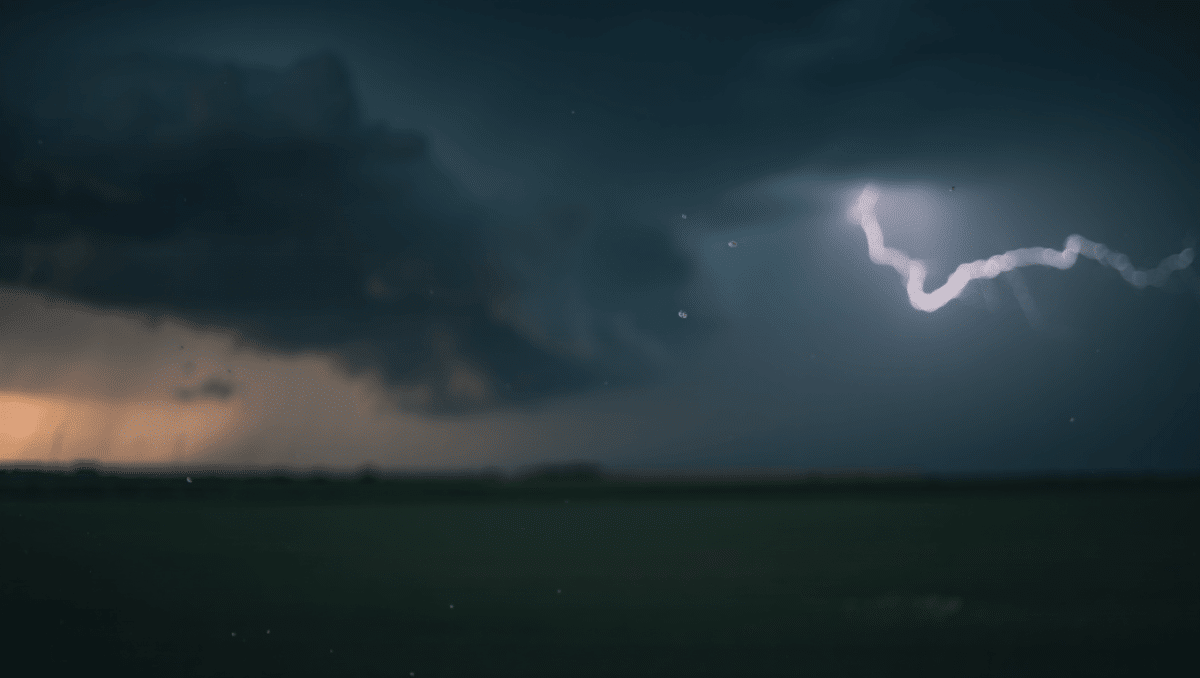
Severe Thunderstorm Watch just went live for the Great Lakes and Upper Midwest tonight. The National Weather Service warned that damaging winds reaching 70 mph and large hail up to 2 inches are expected Monday into Tuesday. More than 25 million people across the region face significant danger.
🔥 Quick Facts
- Risk Level: Level 2 (Slight Risk) issued by NOAA Storm Prediction Center for Great Lakes region
- Primary Threats: Damaging winds to 70 mph, large hail reaching 2+ inches diameter
- Affected Region: Parts of Michigan, Wisconsin, Iowa, Illinois, and Great Lakes
- Timeline: Monday night through Tuesday, March 30-31, 2026
What Does Level 2 Severe Threat Mean?
Level 2 is a Slight Risk, indicating scattered to numerous severe thunderstorms are possible. This threat level suggests storms will likely be more persistent and widespread than marginal risk, with a higher probability of damaging weather. According to NOAA forecasters, a few intense storms are possible that could produce dangerous impacts across multiple counties. The Great Lakes currently sits at this elevated threat level as cold air moves in.
Unlike Level 3 (Enhanced Risk) or higher categories, Level 2 does not guarantee widespread destruction but indicates residents should remain vigilant and prepared for rapidly developing severe weather conditions throughout the evening and night.
Damaging Winds and Massive Hail Expected
Wind damage represents the primary threat across the region tonight. The Storm Prediction Center identified scattered damaging wind gusts reaching up to 70 mph as the most likely hazard. Golf ball-sized hail and larger, with some locations expecting hail exceeding 1.5 inches in diameter, poses additional danger to property and vehicles.
Heavy rainfall will also accompany these storms, with flash flooding possible near the eastern Great Lakes where deep snowpack remains. This combination of hazards means multiple dangerous weather impacts are possible within the same storm cells moving east across the region.
Storm Timeline and Affected Areas
| Region/State | Primary Threat | Expected Timing |
| Upper Midwest (Iowa, Wisconsin) | Hail, damaging winds | Monday evening |
| Michigan | Hail 1-2 inches, 60+ mph winds | Tuesday morning/afternoon |
| Great Lakes Region | Damaging winds, hail | Tuesday all day |
| Illinois/Indiana | Strong winds, isolated tornadoes | Monday evening |
Severe storms are expected to develop across northeastern Iowa and southern Wisconsin late Monday before intensifying as they track into Michigan early Tuesday. A low-pressure system moving through the region will provide abundant energy for storm development. The FOX Forecast Center confirmed hail will be the primary threat, though isolated tornado development cannot be completely ruled out despite lower overall tornado risk.
“Portions of the Great Lakes are now sitting at a Level 2 out of 5 Severe Storm Threat, with the main risks being damaging winds and hail, likely reaching 2+ inches in most areas. While the tornado risk is low, it cannot be ruled out if a few storms become more isolated and tap into pockets of instability.”
— FOX Weather Meteorological Staff, National Weather Service Partner
Tornado Risk and April Pattern Discussion
While tornado risk remains low for this event, supercell thunderstorms could develop as strong updrafts interact with wind shear. Isolated tornadoes are possible, particularly if storms become more organized and tap into atmospheric instability. This follows a devastating March tornado outbreak across Illinois, Indiana, and Michigan that spawned 23 documented tornadoes and caused multiple fatalities.
The larger weather pattern shows March closing like a lion with this severe weather outbreak, then transitioning into a very active April. Meteorologists forecast multiple rounds of severe storms through early April as a trailing cold front stalls across the Ohio Valley, focusing repeated storm systems over the South and Plains. Rainfall totals could exceed 3 to 5 inches in some locations with higher local amounts possible, raising flood concerns for the next two weeks.
How Should Residents Prepare Tonight?
Residents across the affected region should monitor National Weather Service alerts closely and have multiple ways to receive emergency warnings. Have safe shelter identified away from windows before storms arrive. Secure outdoor items that could become projectiles in 70 mph winds. Charge electronic devices now, as power outages are likely in areas hit hardest. Stay weather aware through the evening and night, as storms may develop rapidly after sunset. Keep vehicle insurance and home documentation current given the expected hail and wind damage potential across multiple million-person areas in the Midwest and Great Lakes.
Sources
- FOX Weather – Severe thunderstorm outbreak coverage and meteorological analysis for Midwest and Great Lakes regions
- NOAA Storm Prediction Center – Level 2 Slight Risk issuance and severity classifications for Monday-Tuesday
- National Weather Service – Real-time alert systems and forecast discussions for affected counties