The AI Doc just hit theaters, forcing Silicon Valley CEOs to answer the toughest questions about artificial intelligence. Directors Daniel Roher and Charlie Tyrell secured exclusive interviews with tech leaders, but their answers reveal uncomfortable truths about humanity’s future.
🔥 Quick Facts
- Theatrical Release: March 27, 2026 in the United States via Focus Features
- Interviews: More than 40 AI experts, including leaders from OpenAI, Anthropic, and DeepMind
- Directors: Daniel Roher (Oscar winner for Navalny) and Charlie Tyrell, both becoming fathers
- Festival Premiere: January 27, 2026 at Sundance Film Festival in the Premieres category
How Roher Got CEOs to Open Up About AI Risks
Sam Altman of OpenAI, Dario Amodei of Anthropic, and Demis Hassabis of Google DeepMind all agreed to sit down on camera. Director Daniel Roher used his Oscar credibility and reputation for tough journalism. Producer Ted Tremper earned trust across the entire AI community, learning each executive’s perspective on technology. He mapped the landscape from critics to billionaires, persuading reluctant leaders to participate.
The filmmakers requested interviews with Elon Musk and Mark Zuckerberg, but both declined. Despite this, the film secured unprecedented access to inner circles few journalists ever penetrate.
Two First-Time Fathers Confront an Uncertain Future
Roher frames the entire documentary around his anxiety about bringing his first child into an AI-shaped world. Charlie Tyrell shares identical concerns—both directors were expecting babies during production, born just one week apart. This deeply personal angle transforms a potentially dry technical subject into raw human emotion.
Roher opens by asking directors, “Why would I take this on after Navalny?” Yet his paternal fears drive the inquiry forward. When Sam Altman calmly states, “I’m not scared. I’m expecting in March,” it lands with jarring contrast. Roher’s vulnerability becomes the film’s greatest strength.
What the Interviews Actually Reveal
| Topic | Key Finding |
| AI Safety Concerns | Tristan Harris warns, “I know people who don’t expect their children to reach high school.” |
| CEO Accountability | Altman admits, “You shouldn’t trust me,” then the questioning abruptly ends |
| Harms Documented | ChatGPT suicides, deepfake abuse, fake news generation, environmental damage |
| Contradictions Exposed | CEOs balance doomsday warnings with utopian promises without resolution |
Wired critic Miles Klee noted that while Roher pinned executives down on their responsibilities, glib answers left deeper questions unresolved. When asked about trust, Altman’s “You shouldn’t” response stops the conversation cold.
Oscar-Winning Style Transforms Complex AI Concepts
Producer Daniel Kwan, who won seven Oscars for Everything Everywhere All at Once, brings signature visual creativity to the documentary. Stop-motion sequences, colorful hand-drawn illustrations by Roher, and whimsical animations break down abstract AI concepts into accessible storytelling. The film avoids jargon, with Roher interrupting experts whenever language becomes too technical.
Tyrell adds textured, handcrafted short-form documentary aesthetics. Together, these directorial choices make The AI Doc feel intimate rather than intimidating, transforming existential dread into compelling cinema.
Will this Documentary Actually Change How We Approach AI?
Roher and Tyrell conclude by empowering ordinary citizens to pressure governments and corporations. Yet critics argue the film eventually lets billionaires off easy, presenting their dominance as inevitable. The duo call audiences to “link arms and step confidently into the darkness,” but solutions remain vague.
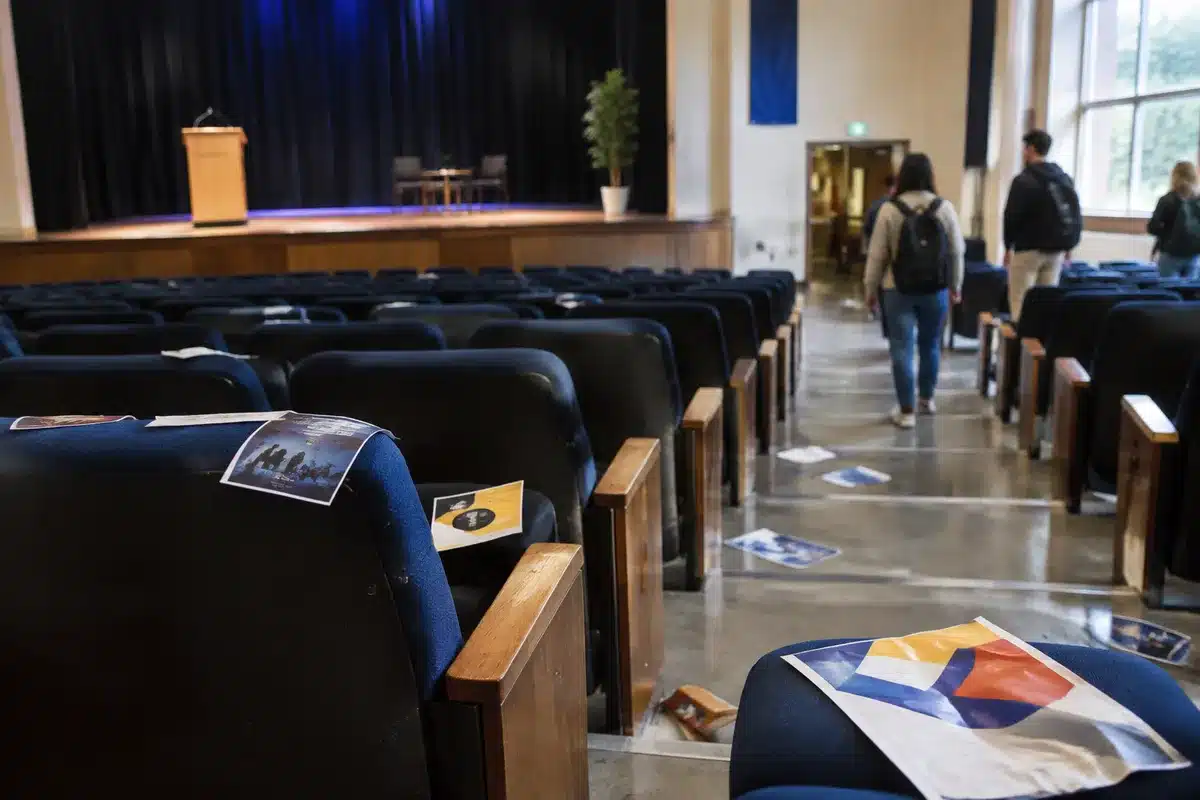
At festival screenings, strangers engage in heated debates after credits roll. High school audiences in Salt Lake City questioned their own ChatGPT usage. Theater exits become conversations about agency, choice, and collective action. That emotional resonance may prove more powerful than policy prescriptions ever could.
Sources
- WIRED – Critical analysis of CEO accountability in The AI Doc documentary
- Focus Features – Exclusive interview with producers Daniel Kwan and Jonathan Wang
- Sundance Film Festival – Premiere coverage and director statements from January 27 screening