Show summary Hide summary
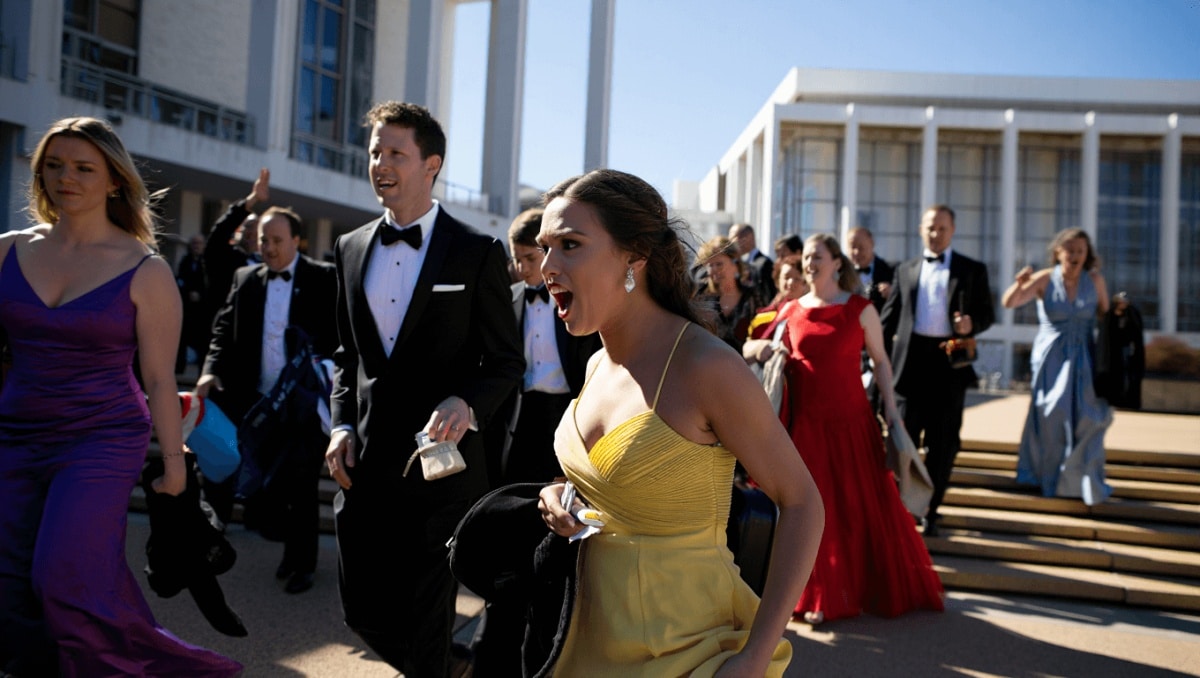
On Jan. 9 the Washington National Opera said it will separate from the Kennedy Center and move many spring performances to other venues, blaming new governance and funding rules enacted after the center’s leadership was replaced. The change reduces the company’s upcoming season and highlights how recent management shifts at the landmark performing-arts complex are reshaping Washington’s cultural calendar.
The opera described the move as an “amicable transition” back to independent operation, saying the decision is driven by new financial requirements that the company cannot accommodate while maintaining a balanced budget. Its statement avoided directly naming the president or the Kennedy Center’s recent rebranding.
Why the split matters now
John Travolta turns 72 today, shares family memories with fans
Peter Greene cause of death revealed as accidental gunshot wound to armpit
The Kennedy Center’s board was overhauled last year and the building’s exterior now carries a different name, a change that has prompted a string of artist cancellations and forced the venue to rethink how it budgets for productions. That environment, WNO officials say, has left them unable to plan seasons under the center’s new funding conditions.
Washington National Opera says the center’s model now requires productions to be fully financed before staging — a constraint that clashes with opera economics, where ticket revenue typically covers only a portion of costs and philanthropic support is raised over months or years.
Ric Grenell, serving as the center’s interim executive director, acknowledged the organization has provided substantial financial support to the opera but argued that the company has continued to operate at a deficit. He added on the social platform X that the change will let the center pursue a wider slate of touring and visiting companies.
Immediate effects for performances and audiences
The company will scale back its spring season and move some productions to other local venues to preserve financial stability, WNO said. Several titles remained listed on the Kennedy Center’s schedule late Friday even as the opera announced the transition.
- Season reduction: A smaller spring lineup as the company rearranges venues and budgets.
- Venue changes: Performances to be staged outside the Kennedy Center while WNO reestablishes independent operations.
- Funding mismatch: The center’s advance-funding requirement conflicts with opera’s reliance on donations and cross-subsidies.
- Artist fallout: High-profile acts, including Lin-Manuel Miranda and Peter Wolf, have canceled events at the center amid leadership changes and the recent renaming.
WNO officials emphasized that ticket sales alone do not cover the full cost of operatic productions. Their planning model depends on using revenue from popular titles to underwrite less commercial works — an approach they say the center’s new policy does not support.
Leadership and outlook
Francesca Zambello, who has led the company artistically for 14 years, reflected on the opera’s long association with the national venue and pledged to continue presenting a mix of established and contemporary works even as the organization adapts. She framed the move as an effort to protect artistic diversity while responding to fiscal realities.
For audiences, the short-term impact will be schedule changes and venue notifications as the company relocates performances. For the broader arts community, the split underscores the vulnerability of large cultural institutions when governance and funding priorities shift.
As the Washington National Opera reorganizes, details about venue assignments, ticket exchanges, and the finalized spring lineup are expected to be released in the coming weeks. The transition marks a notable realignment in the capital’s cultural landscape and could influence how other companies negotiate residency and funding at major national venues.