Show summary Hide summary
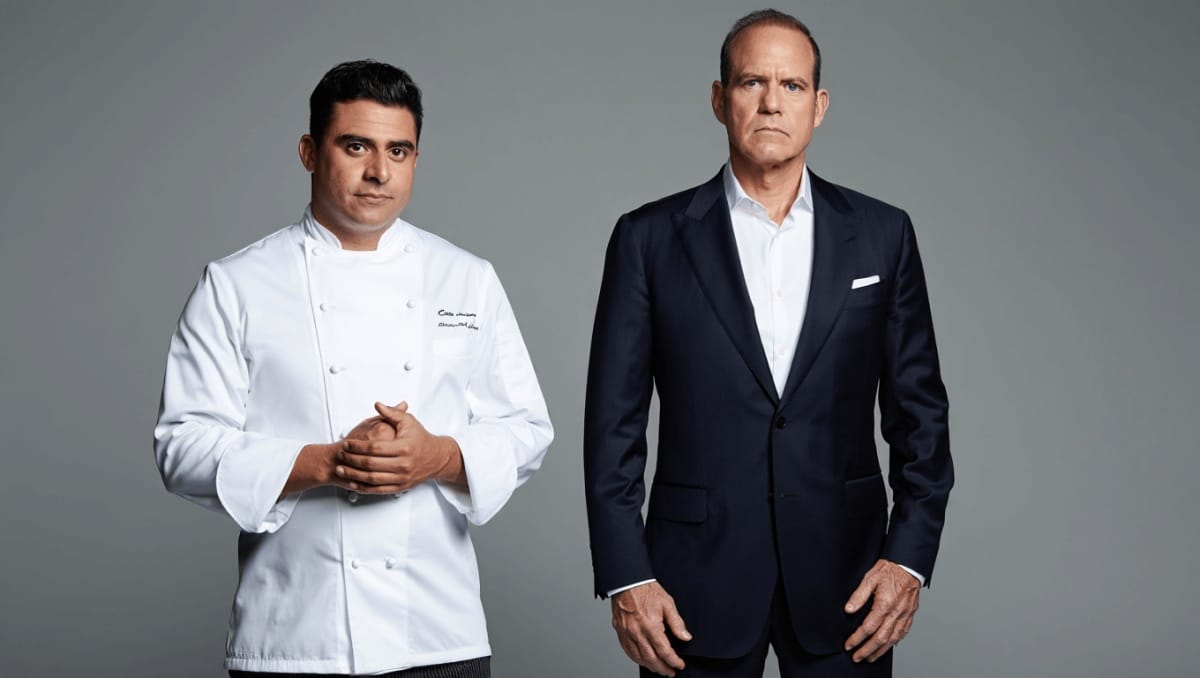
When Chef Aitor Zabala reached a breaking point in October 2021, he didn’t make a grand vow — he promised himself a single extra day. That quiet rule of endurance ultimately propelled a dramatic return: Zabala reopened his restaurant in West Hollywood in late 2024 and, within months, earned the coveted three stars from the Michelin Guide. Now he will bring that experience to a wider audience at TEDxBeverlyGrove in March 2026.
Backstory matters because Zabala’s trajectory speaks to how small, repeatable choices can reshape careers and businesses during turbulent times. For restaurateurs, creatives and anyone navigating post-pandemic uncertainty, his story offers a practical blueprint rather than feel‑good rhetoric.
From near-collapse to one of fine dining’s fastest recoveries
In late 2021 Zabala faced stacked setbacks: the restaurant that made his name shuttered during the pandemic, a planned new venue dissolved, and his key collaborator left. For four solitary years he experimented in a test kitchen without diners — a period that drained momentum and left quitting looking like a sensible option.
Lil Poppa reportedly passes away at 25, Jacksonville hip-hop community mourns
Lil Poppa allegedly dies at 25 as unconfirmed reports shock hip-hop community
Instead of a dramatic reinvention, Zabala adopted a minimalist tactic: keep going for “one more day.” Repeated enough times, that tiny commitment led to reopening Somni in November 2024. Early reviews were cautious; the industry braced for a slow climb back. Yet within seven months the restaurant received Michelin’s top recognition — an achievement many kitchens chase for years, sometimes decades.
What Zabala will argue at TEDxBeverlyGrove
Zabala’s talk — billed as the One More Day Principle — reframes resilience as a disciplined habit rather than a burst of inspiration. He stresses that motivation is fleeting when systems fail or confidence evaporates; persistence, by contrast, is a repeatable practice you can perform even when hope is low. The core claim is simple and blunt: reimagining what’s possible often starts not with belief, but with the decision to return tomorrow.
TEDxBeverlyGrove, themed “Reimagining the Possible,” will host Zabala on March 14, 2026. Organizers say the lineup intentionally blends voices from business, civic life, technology and sport to examine how people rebuild, redesign and respond to failure.
- Rick J. Caruso — real estate developer and civic leader discussing ownership and accountability in urban policy and homelessness.
- Aaron Michael Krinsky — entrepreneur exploring how complexity within helpful systems can erode care.
- Eron Zehavi — transformational coach on how interpretation determines whether people are stuck or move forward.
- Isaac Jean‑Paul — Paralympic medalist reframing disability as a matter of environmental and design choices.
- Ken Cardwell — systems architect warning about ceding identity decisions to artificial intelligence.
- Ryan Garney — creative operations leader drawing crisis‑management lessons from disaster history.
The eclectic roster underscores a key TEDx premise: recovery and reinvention are cross‑disciplinary problems. Zabala’s experience in a high‑stakes, public industry gives his message practical weight — he can point to measurable outcomes, not just abstractions.
Why this matters now
Two trends make Zabala’s message timely. First, the hospitality and creative sectors are still recovering unevenly from pandemic disruption; models that depend on incremental return, rather than sudden turnaround, are increasingly relevant. Second, in broader work culture there’s a growing appetite for strategies that emphasize repeatable behaviors over motivational peaks.
For readers, the takeaway is concrete: resilience can be taught in small daily acts. Whether you run a business, lead a team, or are simply trying to keep a project alive, the distinction Zabala makes — between waiting for inspiration and practicing persistence — reframes how to plan next steps when the outcome is uncertain.
Expect Zabala’s TEDx talk to be less sermon and more manual: short, pragmatic prescriptions drawn from the hard work behind Somni’s rapid resurgence. If nothing else, his story is a reminder that sometimes the most consequential decision is the modest one you make at the end of a long, difficult day.