Show summary Hide summary
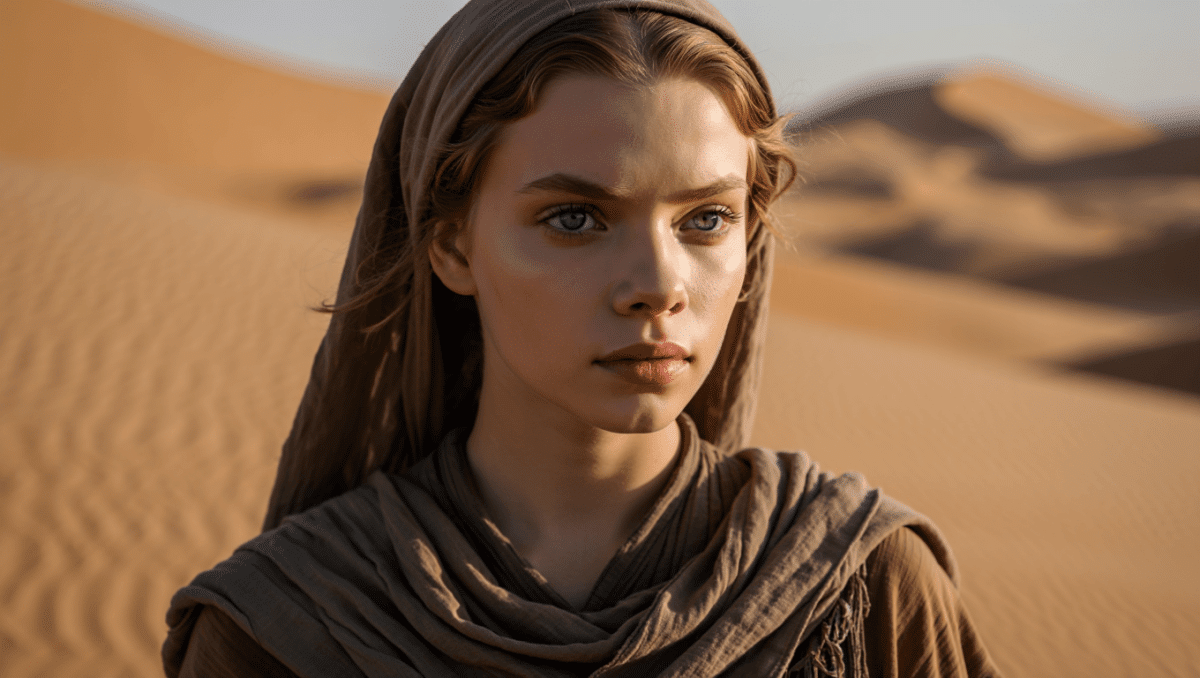
Anya Taylor-Joy joins the Dune universe in a major way. The actress steps into the role of Alia Atreides, Paul Atreides’ younger sister, in Dune: Part 3 hitting theaters on December 18, 2026. Her character carries an intense blessing-curse that shapes the final chapter of director Denis Villeneuve’s epic trilogy.
🔥 Quick Facts
- Release Date: December 18, 2026 in theaters worldwide
- Character Role: Paul Atreides’ sister Alia Atreides makes her full debut after brief appearance in Part Two
- Timeline: Story set 17 years after Dune: Part Two events unfold
- Character Description: Alia carries wisdom of generations in her mind, creating complex psychological conflict
Taylor-Joy’s Intense Role Demands Mental Complexity
In recent interviews, Anya Taylor-Joy opened up about the mental intensity of playing Alia Atreides. The character exists in a state of psychological chaos, constantly experiencing multiple layers of consciousness simultaneously. Taylor-Joy described it as “everything everywhere all at once”, suggesting a mind fractured by ancestral memory and competing impulses.
Taylor-Joy emphasized that Alia’s primary motivation centers entirely on her connection to Paul. “The one thing she feels most strongly about is her love and devotion to her brother,” the actress explained. He is the only person who makes her feel like she makes sense. This sibling bond drives her actions to various degrees of intensity throughout the film.
Anya Taylor-Joy joins Dune: Part 3 as Alia Atreides in highly intense role
Jimmy Savile’s centenary year sparks renewed reckoning over BBC’s decade of silence
The Story Expands 17 Years Into Paul’s Reign
| Detail | Information |
| Release Date | December 18, 2026 |
| Platform | Theatrical (IMAX preferred) |
| Cast Leads | Timothée Chalamet, Zendaya, Anya Taylor-Joy |
| Director | Denis Villeneuve |
Denis Villeneuve revealed that Dune: Part 3 extends the timeline 17 years after the events of Part Two. Paul Atreides now sits as Emperor of the Known Universe, but his reign grows more troubling. The film explores how Paul grapples with too much power and attempts to escape cycles of violence.
Villeneuve promised “a very different film” with more action and tension than the first two entries. The story becomes more muscular and intense, examining what happens when the hero becomes something far more complicated. New planets and unseen regions of Arrakis will appear on screen for the first time.
Expanded Cast and Character Arcs Deepen
Zendaya returns as Chani, with major relationship developments unfolding between her character and Paul. The trailer hints at potential children, fundamentally shifting their dynamic from the previous film. Robert Pattinson joins as Scytale, a Face Dancer representing new threats to Paul’s regime.
Jason Momoa’s Duncan Idaho resurfaces despite dying in the first film. Villeneuve explained this return is crucial to Paul’s identity struggle. Florence Pugh’s Princess Irulan takes on expanded importance, while Javier Bardem, Josh Brolin, and Rebecca Ferguson round out the core ensemble. Newcomers portray Paul’s siblings Ghanima and Leto II, hinting at massive future implications for the franchise.
“Alia has a very intense blessing-curse situation. She carries the weight and the wisdom of generations and generations in her head. She’s never in a singular conversation. It’s kind of everything everywhere all at once.”
— Anya Taylor-Joy, on her character in Dune: Part Three
Villeneuve Commits to Most Personal, Action-Packed Chapter
Denis Villeneuve called Part 3 his most personal film in the trilogy. The story centers on Paul and Chani’s relationship under extreme pressure from the world around them. Hans Zimmer returns to compose a score that reflects the film’s darker, more intense tone.
Cinematographer Linus Sandgren and production designer Patrice Vermette craft a visual world distinct from previous entries. Filming occurred in 65mm IMAX with portions in traditional digital, creating unprecedented scale. The desert sequences preserve digital brutality while architectural moments embrace film’s warmth. Villeneuve emphasized audiences should experience this on the biggest screens possible.
What Does Alia’s Arrival Mean for Dune’s Future Beyond Part 3?
The casting of Taylor-Joy and introduction of Paul’s children strongly suggests the franchise will continue. Frank Herbert’s “Dune Messiah” serves as primary source material, but Villeneuve clearly adapts liberally. The character of Alia Atreides plays central roles in subsequent novels, meaning her intense psychological arc could anchor future films. Will Anya Taylor-Joy’s Alia become the breakout character of Part 3, potentially leading a future installment in the Dune saga?
Sources
- Deadline – Exclusive Dune: Part 3 plot details and cast commentary from Denis Villeneuve and ensemble
- Rotten Tomatoes – Comprehensive Dune: Part Three production guide with timeline and cast breakdown
- Cinema Blend – Anya Taylor-Joy’s extensive interview about her character’s intense psychological role