Show summary Hide summary
Afroman just took the stand in a historic free speech trial in Ohio. The rap legend testified that seven deputies who raided his home have no right to sue him for making music about it. His bold courtroom defense is now a landmark case on the limits of police lawsuits.
🔥 Quick Facts
- The Raid: August 2022, Adams County deputies raided his Ohio home on drug and kidnapping suspicions, found nothing
- The Response: Afroman released viral music video ‘Lemon Pound Cake’ featuring security footage from the raid
- The Lawsuit: Seven deputies sued him for defamation and emotional distress over the video and merch
- The Stakes: ACLU warned a guilty verdict would chill free speech nationwide on police accountability
Afroman Takes Stand, Blames Deputies for Their Own Downfall
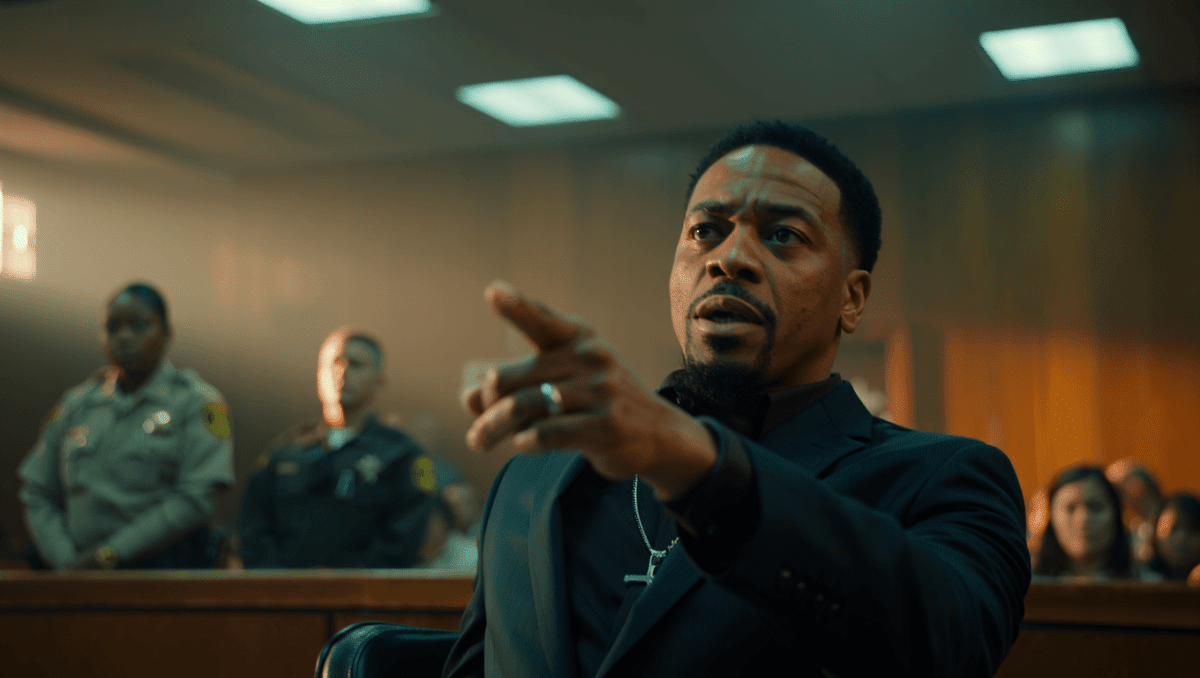
The 51-year-old rapper stood up in court and turned the tables on his accusers. Afroman testified that all of this is their fault. If they hadn’t wrongly raided his house, he said, there would be no lawsuit, no song, and his money would still be intact. He emphasized that he had every right to criticize what they did to his home and family.
Afroman told the jury he was simply exercising his right to freedom of speech as an American. The rapper said the deputies broke down his door without warning and caused significant damage that he never recovered. He also claims they seized cash that came up $400 short when returned to him.
Afroman testifies in Ohio trial over music video mocking deputies’ raid
Chris Robinson performs tonight on Jimmy Kimmel after Black Crowes drops new album
The Lemon Pound Cake Moment That Sparked Millions
In August 2022, deputies showed up at his Ohio home with guns drawn and tactical gear. His security cameras captured everything. According to Afroman, during the raid, one deputy paused to stare at a lemon pound cake his mother had just baked. That specific moment inspired the song title.
The ‘Lemon Pound Cake’ music video went viral, reaching millions across social media. Afroman also released ‘Will You Help Me Repair My Door’, which consisted entirely of raid footage. He posted videos on Instagram and released merchandise featuring the deputies’ faces without their permission.
What Deputies Claim vs. What Afroman Says
| Key Element | Deputies’ Claim | Afroman’s Defense |
| Video Usage | Unauthorized use of their likenesses | Used his own security footage, right to criticize |
| Damages Claimed | Humiliation, ridicule, mental distress | Their raid caused his emotional and financial harm |
| Raid Outcome | Acting in official capacity | No charges, no drugs found, wrongful breach |
| Merchandise | Sold T-shirts using officer faces, no permission | Exercise of free expression rights |
“All of this is their fault. If they hadn’t wrongly raided my house, there would be no lawsuit. I would not know their names, they wouldn’t be on my home surveillance system, and there would be no songs.”
— Afroman (Joseph Foreman), Defendant in Trial
The ACLU Called This Lawsuit ‘Absurd’ for a Reason
The American Civil Liberties Union stepped in to warn that a guilty verdict would chill free speech nationwide. Civil liberty groups argue that homeowners must have the right to criticize police conduct on their property. This case, they say, sets a dangerous precedent for silencing citizens who use their own security footage to speak out.
The core question is straightforward according to legal experts. Can police sue someone for using their own home surveillance to criticize a raid? Or does the First Amendment protect such speech? An eight-person jury will decide if Afroman crossed the line or if the deputies are trying to use civil litigation to suppress criticism.
Will This Trial Change How Police Can Sue Citizens for Criticism?
The trial is just getting started, with testimony continuing throughout the week. Experts say the outcome could reshape police accountability laws. If Afroman loses, police departments nationwide could begin using civil defamation suits against homeowners who speak out about raids.
Afroman has remained defiant throughout the legal battle, continually posting new videos on YouTube and Instagram. He posted yesterday expressing gratitude for supporters backing him in his fight. The jury will ultimately decide whether his response was protected speech or whether the deputies have legitimate claims for emotional harm.