Show summary Hide summary
Afroman lawsuit brings a rare First Amendment collision to an Ohio courtroom. The trial started Monday as seven sheriff’s deputies sued the 51-year-old rapper over viral music videos. A jury will decide if hip-hop criticism trumps police officers’ right to privacy and reputation.
🔥 Quick Facts
- The Raid: August 21, 2022, Adams County deputies executed a search warrant at Afroman’s home in Winchester, Ohio based on drug trafficking suspicion.
- No Charges Filed: Deputies found nothing incriminating. No criminal charges were ever brought against Foreman.
- The Lawsuit: Seven deputies sued in March 2023 over the “Lemon Pound Cake” music video, claiming defamation and invasion of privacy.
- ACLU Intervention: The civil rights organization filed a First Amendment brief, calling the case a threat to free speech rights.
How a Police Raid Became a Viral Hit
Afroman, whose real name is Joseph Foreman, captured the entire August 2022 raid on his home using security cameras and his wife’s phone. The heavily armed deputies broke down his door searching for drugs after a confidential informant tip. They found nothing. But Foreman decided to make art from the footage. His resulting music video “Lemon Pound Cake” became a sensation online. One scene shows a deputy seemingly ogling a lemon pound cake Foreman’s mother had baked. The video went viral across social media platforms and earned millions of views.
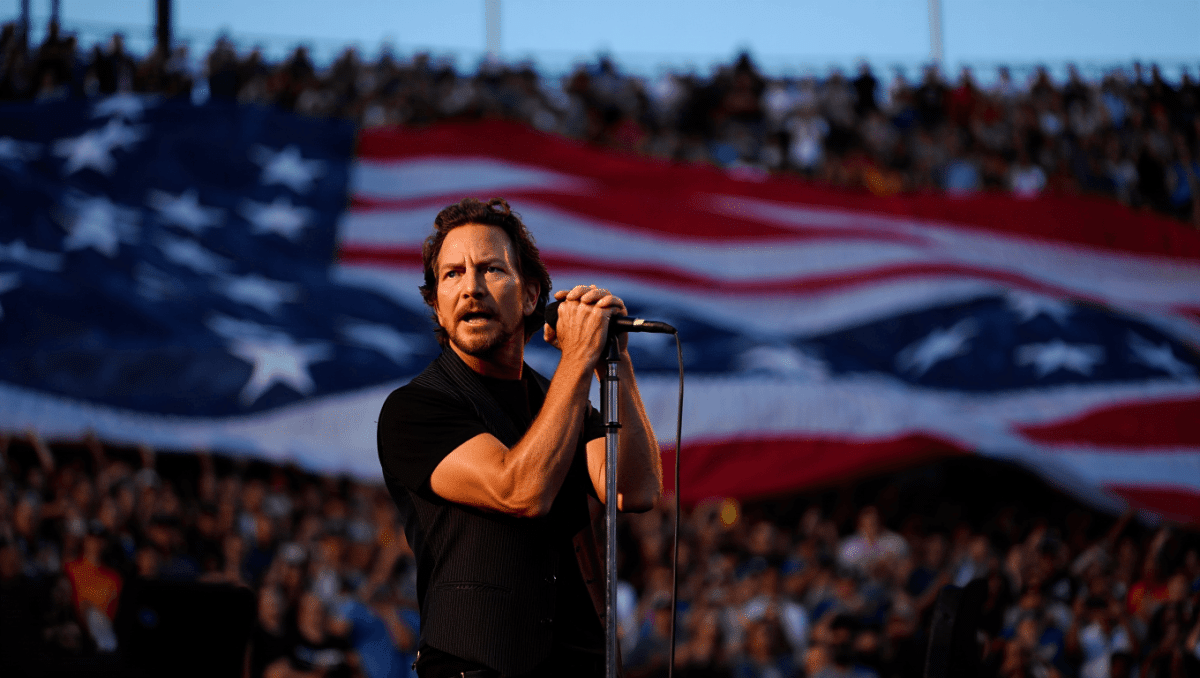
Foreman wasn’t finished. The 51-year-old rapper, famous for his 2000 hit “Because I Got High,” released additional videos with titles like “Will You Help Me Repair My Door.” He printed officer images on T-shirts and posted them widely online. These creative responses transformed a routine police raid into a cultural moment. Yet what Foreman treated as artistic expression and social commentary, the seven deputies viewed as defamation.
Afroman lawsuit puts First Amendment on trial in Ohio courtroom
High Potential airs new episode tonight with major season 3 news
The Deputies Strike Back with Lawsuits
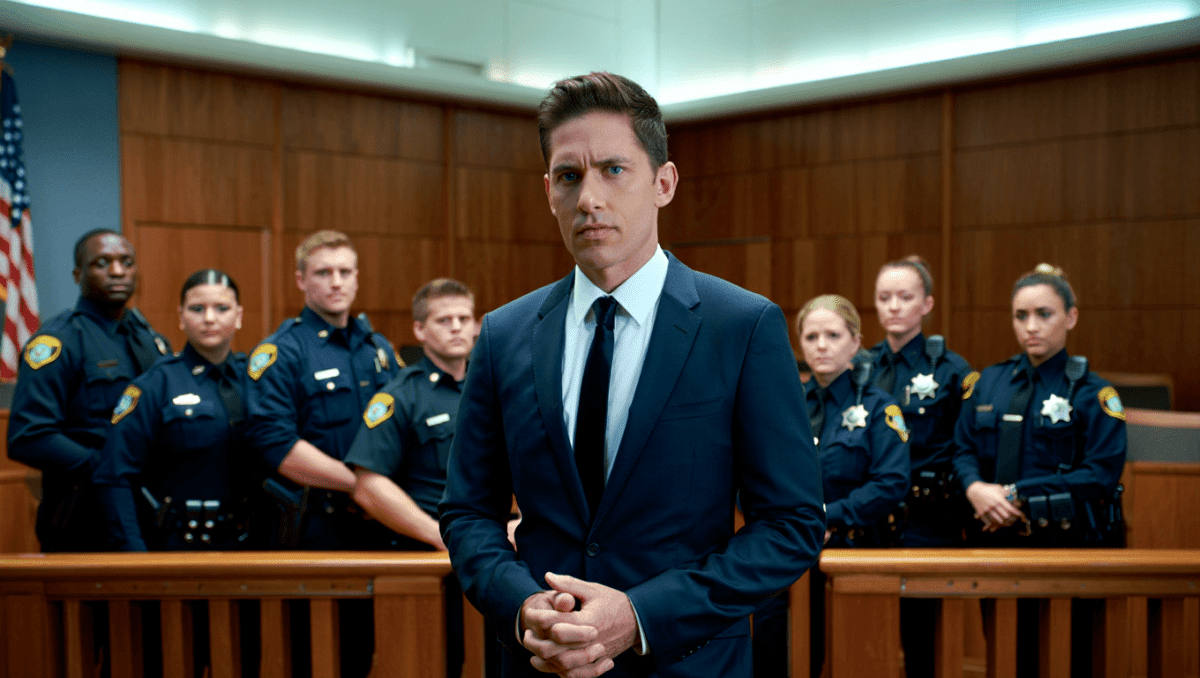
In March 2023, the seven officers filed a civil defamation and invasion of privacy lawsuit against Foreman. They claimed his videos subjected them to public scrutiny, harassment, and death threats from internet users. Court documents state the deputies received threatening messages, including explicit death threats, allegedly spurred by Foreman’s videos. They also claimed his use of their images and likenesses damaged their reputations and emotional well being.
The lawsuit specifically named officers Shawn Cooley, Lisa Phillips, Randy Walters, and Brian Newland, among others. The deputies argued that Foreman falsely portrayed them as corrupt or abusive to public audiences. They sought significant damages and wanted a court order to stop him from using their images. The case name became Cooley v. Foreman AKA Afroman, formally documented in Adams County Common Pleas Court as Case Number CVH20230069.
First Amendment Battle Lines
| Case Element | Details |
| Case Name | Cooley v. Foreman AKA Afroman |
| Filing Date | March 13, 2023 |
| Court | Adams County Common Pleas Judge Jerry McBride |
| Charges Against Rapper | Defamation, invasion of privacy, false light |
The American Civil Liberties Union (ACLU) immediately recognized the constitutional stakes. ACLU Ohio filed an amicus brief arguing that Afroman’s music and commentary receive robust First Amendment protection. “There is nothing the First Amendment protects more jealously than criticism of public officials on a matter of public concern,” the ACLU stated in court filings. The organization emphasized that police officers are public servants who should anticipate scrutiny and criticism.
In October 2023, Judge Jerry McBride granted part of Afroman’s motion to dismiss, ruling the officers must expect criticism for their public role. However, the judge allowed defamation and invasion of privacy claims to proceed. Several initial claims, including misappropriation of likeness, were struck down as legally insufficient.
“Conceptually, their allegations run afoul of a much deeper principle: There is nothing the First Amendment protects more jealously than criticism of public officials on a matter of public concern.”
— ACLU of Ohio, Amicus Brief
Foreman Doubles Down with Pre Trial Videos
Rather than stay quiet, Afroman intensified his creative response as trial approached. In March 2026, just days before jury selection, he released new videos directly addressing the lawsuit. Wearing an American flag suit, he performed songs defending his free speech rights. “They vandalize my property, my money came up short,” he sang while walking on a farm. “They disconnect my cameras because they are a poor sport.” The videos included his footage, media coverage clips, and allegations of past officer misconduct.
These pre-trial videos demonstrated Foreman’s commitment to his defense and his belief in the First Amendment protections his art deserves. The Foundation for Individual Rights and Expression (FIRE) warned that a verdict against Foreman would be “chilling” to free speech. FIRE noted that “Afroman’s use of their images is infused with artistic expression, parody, and social commentary,” factors courts typically protect.
What’s at Stake When Police Sue Over Criticism?
This trial represents a rare and important clash between First Amendment protections and individual privacy rights. Legal experts worry that allowing police to sue citizens who criticize them could discourage vital public discourse. The case will set precedent for whether public servants can use defamation lawsuits to silence artistic criticism. If the deputies win, it could embolden other law enforcement officers to pursue similar lawsuits against critics.
Judge McBride will guide the jury through complex questions: Did Afroman make false statements of fact, or did he engage in protected opinion and parody? Can officers claim they didn’t expect their actions to be recorded and criticized? Does the public have a right to know about controversial police conduct? The jury selection process began Monday, March 17, 2026, with testimony expected to last four days. The outcome will reveal how Ohio courts balance free expression with claims of reputational harm.
Sources
- ACLU of Ohio – Official amicus brief and case documentation in Cooley v. Foreman AKA Afroman
- Yahoo Entertainment – Comprehensive reporting on trial opening, jury selection, and First Amendment implications
- Adams County Common Pleas Court – Court records, judge decisions, and official case filings