Show summary Hide summary
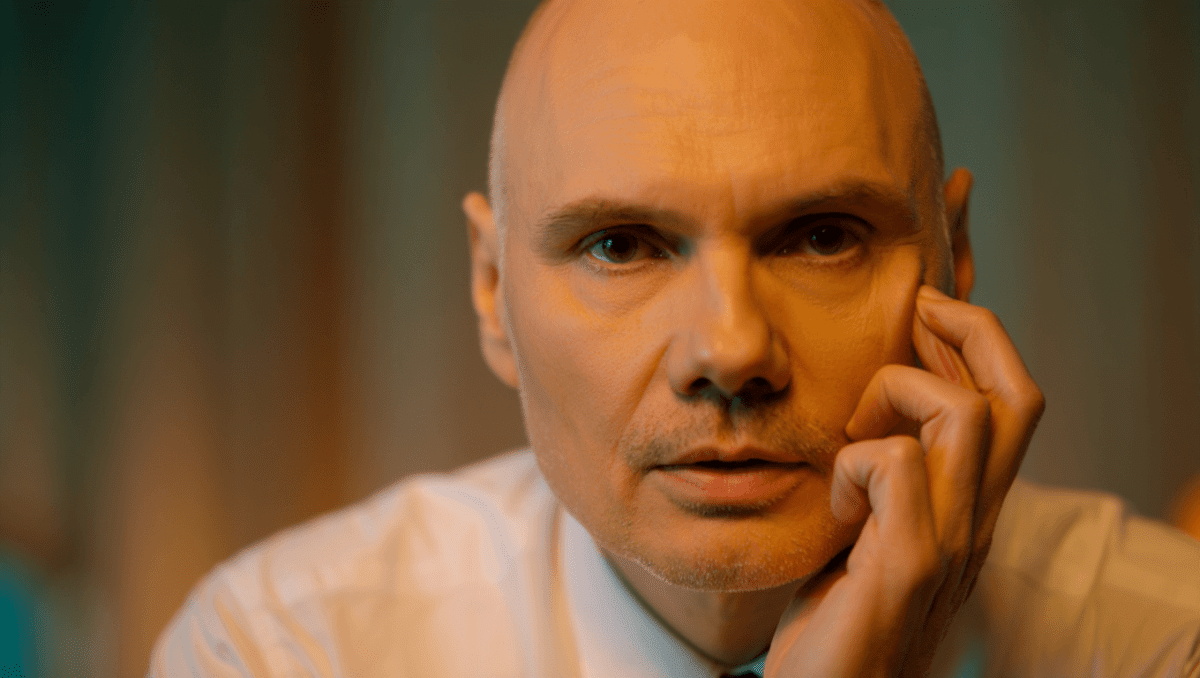
Billy Corgan just made a shocking claim that rock music was deliberately silenced. The Smashing Pumpkins frontman believes this happened starting in the late 1990s. He said ‘somebody’ engineered rock’s decline from mainstream culture.
🔥 Quick Facts
- Timeline: Corgan claims the shift happened around 1997-1998 at MTV
- Replacement Genre: Rap music replaced rock at the network, according to his theory
- Current State: Rock is the top-selling ticket genre today, yet lacks cultural visibility
- Platform: He shared this on his podcast The Magnificent Others with writer Conrad Flynn
Witness to an Industry Shift
Billy Corgan described observing the music industry’s seismic change firsthand. He said the change was immediate and undeniable at MTV in 1997-1998. Corgan explained that rock was still thriving in popularity when the network suddenly dropped its support. He stated, “I saw the gravity shift” with unmistakable clarity.
The rockstar emphasized he witnessed the transformation occur in real time. MTV’s standards and practices shifted overnight, he claimed, allowing content previously forbidden. Rap imagery and artists flooded the network’s rotation instantly. Corgan believes this wasn’t accidental but engineered by industry gatekeepers.
Billy Corgan claims rock music was ‘purposely dialed down’ by industry
Fox 8 Cleveland reports loud ‘boom’ across NE Ohio tonight
The MTV Pivot That Changed Everything
The Smashing Pumpkins leader detailed how MTV’s editorial decisions were the turning point. Previously restricted imagery suddenly appeared in music videos. Content featuring weapons and aggressive imagery became acceptable when attached to rap acts. Rock artists faced immediate sidelining despite their massive cultural dominance. The transition appeared coordinated across the network.
Corgan noted that great artists emerged from this shift. Quality music continued being made in hip-hop and other genres. However, the overt and sudden nature of rock’s removal sparked his theory. This wasn’t natural market evolution, he argues, but calculated suppression of rock’s cultural voice and artistic influence.
The Conspiracy and Cultural Evidence
| Claim | Current Status |
| Rock’s cultural visibility | Nearly nonexistent despite ticket sales dominance |
| Rap’s cultural presence | Significant decline from late 1990s peak |
| Pop’s dominance | Completely dominant across all media channels |
| CIA involvement theory | Speculated by some, unverified by Corgan |
Corgan mentioned that some people even assert CIA involvement in rock music’s suppression. He dismissed this as “above my pay grade.” Yet he maintains undeniable evidence exists in today’s marketplace. Rock acts sell more tickets than any other genre in the Western world. Stadium tours by rock bands consistently break attendance records. Yet mainstream media, streaming playlists, and award ceremonies rarely celebrate rock music.
This paradox forms the core of his argument. The disconnect between rock’s commercial dominance and cultural invisibility suggests deliberate gatekeeping. Radio programmers, streaming algorithms, and television networks all seem aligned against rock visibility. According to Corgan, this pattern indicates coordinated suppression rather than organic market preference.
“I think they purposely dialed down the ability of rock stars to have a voice in the culture.”
— Billy Corgan, Smashing Pumpkins Frontman
The Brilliant Artists Amid Suppression
Corgan isn’t claiming rock is dead or that brilliant music stopped being made. He acknowledges the 1990s produced incredible artists across genres. Hip-hop, rap, and R&B delivered genuine masterpieces during the transition period. The quality of music created wasn’t diminished by the industry shift. What changed was the deliberate suppression of rock’s cultural authority and artist influence.
The Smashing Pumpkins pioneer wants to separate artistic merit from industry manipulation. Great music continues being created today across all genres. But rockstars lost their platform for expressing cultural influence. They became invisible despite selling massive numbers of tickets and streaming plays. This invisibility, Corgan argues, resulted from intentional industry gatekeeping rather than changing public taste.
Is Rock Music’s Cultural Silence Intentional or Inevitable?
Billy Corgan’s theory raises uncomfortable questions about modern media’s role in artist visibility. Does the music industry deliberately suppress certain genres for profit motives? Do established power brokers control cultural narratives? Can a genre dominate sales while disappearing from cultural conversation? These questions challenge assumptions about meritocracy in entertainment.
What remains undeniable is the paradox he identifies. Rock generates more revenue through live events than any competing genre. Yet rock musicians almost never headline major award shows. Rock songs rarely trend on social media. Rock documentaries and biopics get minimal funding compared to hip-hop projects. Whether engineered or coincidental, rock’s cultural invisibility despite commercial dominance defines modern entertainment. Corgan’s provocative claim forces listeners to examine whether this schism happened naturally or by design.
Sources
- Consequence – Billy Corgan’s theory about rock music being purposely dialed down beginning in late 1990s
- Guitar.com – Corgan’s claims about rock being deliberately marginalized and MTV’s role in the shift
- AXS TV – Details on Corgan’s belief that industry suppressed rock music starting in late 1990s