Show summary Hide summary
Matt Clark, the beloved character actor best known for iconic roles in Westerns and Back to the Future Part III, passed away yesterday in Austin, Texas. The veteran performer, who amassed over 150 film and television credits across a career spanning six decades, was 89 years old. Clark died from complications following back surgery, his wife Sharon Mays confirmed to multiple outlets.
🔥 Quick Facts
- Death Date: March 15, 2026, at his home in Austin, Texas
- Cause: Complications following back surgery
- Age: 89 years old (born November 25, 1936)
- Career Span: Over 60 years in film and television with 150+ credits
A Western Legend’s Final Chapter
Matt Clark became a fixture in American cinema, particularly in the Western genre. His filmography reads like a greatest hits collection of classic and contemporary Westerns. He appeared in The Life and Times of Judge Roy Bean (1972) alongside Paul Newman, The Cowboys (1972) with John Wayne, and The Outlaw Josey Wales (1976) opposite Clint Eastwood. Beyond these blockbusters, Clark worked in Jeremiah Johnson (1972) with Robert Redford, Pat Garrett and Billy the Kid (1973) directed by Sam Peckinpah, and Hearts of the West (1975).
His ability to command scenes with quiet authority made him a trusted collaborator. Directors knew he would deliver dependable, authentic performances that grounded stories in human truth. Clark’s versatility extended beyond Westerns into contemporary dramas, earning him respect across multiple genres and generations of filmmakers.
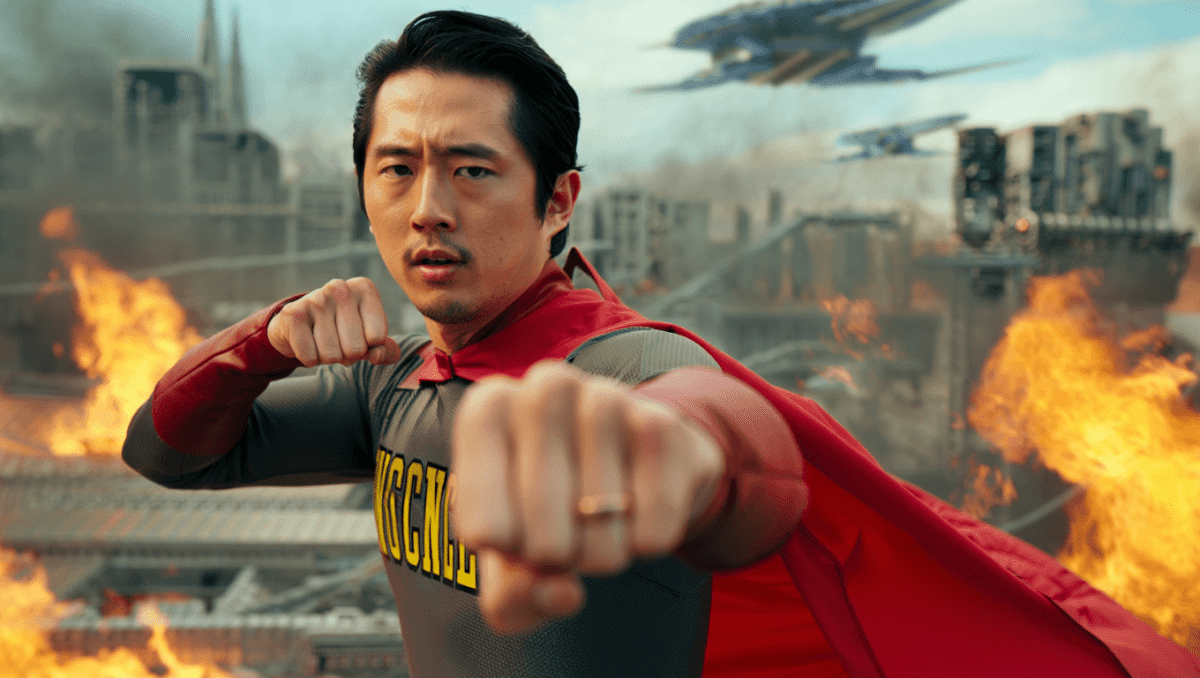
When does Invincible season 4 come out? Premieres March 18 with 3 episodes
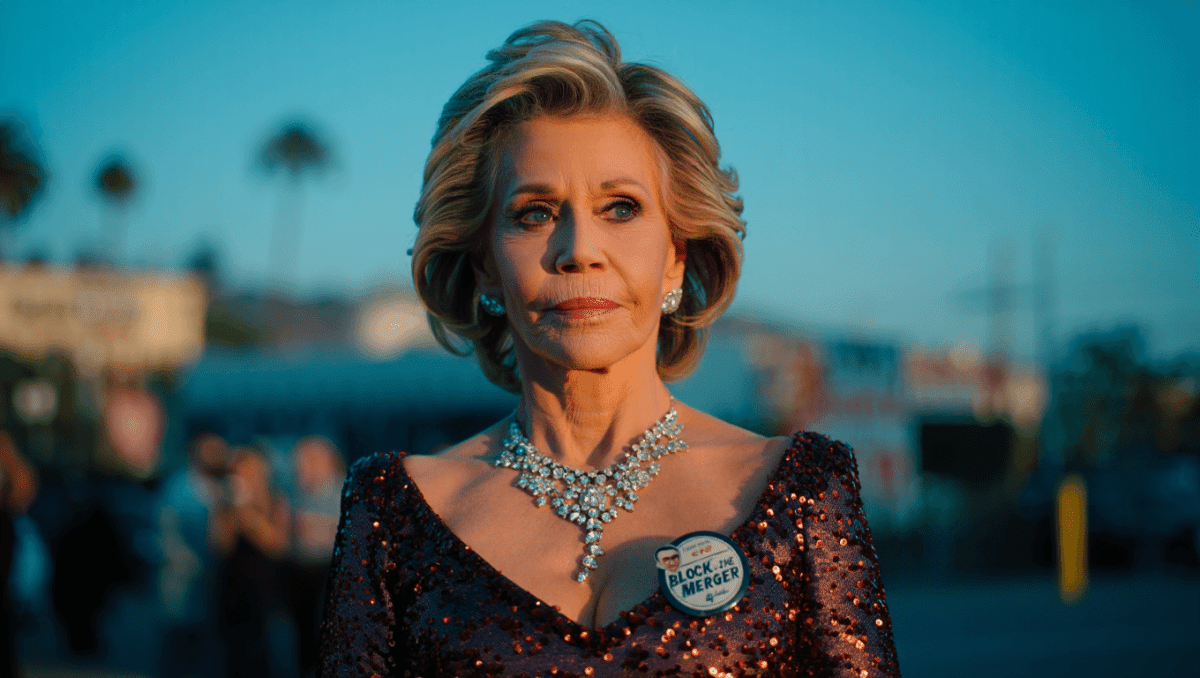
Jane Fonda protests Paramount buying Warner Bros at Oscars after-party
Beyond the Frontier
Clark proved his range in acclaimed dramas that showcased his depth as an actor. He starred in Brubaker (1980), where he played Purcell, the former warden’s clerk, delivering one of his most celebrated performances. His role in The Adventures of Buckaroo Banzai Across the 8th Dimension (1984) demonstrated his willingness to embrace unconventional material. Clark also appeared in Back to the Future Part III (1990) as Chester, the bartender, introducing him to audiences of the blockbuster franchise and proving his appeal across age groups.
Television became another significant outlet for his talents. Clark guest-starred on Bonanza, Kung Fu, The Waltons, and Magnum, P.I. He recurred on the ABC sitcom Grace Under Fire, showing his ability to blend dramatic and comedic sensibilities. His television work spanned decades, making him a recognizable presence in living rooms across America.
The Man Behind the Roles
| Career Detail | Information |
| Birth Place | Washington, D.C., raised in Arlington, Virginia |
| Early Training | Studied at HB Studio in New York with Herbert Berghof |
| Major Works | Jeremiah Johnson, Brubaker, Back to the Future III, Pat Garrett and Billy the Kid |
| Final Credit | A Million Ways to Die in the West (2014) |
Clark was born in Washington, D.C., the son of Theresa, a school teacher, and Frederick William Clark, a carpenter. His childhood home valued craftsmanship and self-reliance, qualities that would define his life. After serving two years in the U.S. Army, he attended George Washington University before pursuing his passion for acting. In New York, he studied with legendary teacher William Hickey, his future onscreen mentor, and understudied Martin Sheen in the original Broadway production of The Subject Was Roses.
“He built his own house with his own hands. He kept his closest friendships for sixty years. He showed up for the work, and for his people, every time. He was complex. He was tough. He could be gruff. But the moral compass never wavered, and the love was never in doubt.”
— Clark Family Statement
Legacy and Impact on Cinema
Clark made his film debut in Black Like Me (1964), then appeared in the Oscar Best Picture winner In the Heat of the Night (1967). He worked with renowned directors including Sydney Pollack (Jeremiah Johnson), Stuart Rosenberg (Brubaker), Don Siegel (The Beguiled), and Clint Eastwood in multiple projects. As a director himself, Clark helmed Da (1988), an acclaimed feature film starring Bernard Hughes and Martin Sheen, based on an original Broadway play about a New York playwright summoned to Ireland to bury his father.
Clark embodied what industry colleagues called an “actor’s actor”. He possessed little interest in celebrity or the spotlight but tremendous dedication to the craft. Family members noted his remarkable ability to maintain deep friendships spanning decades while always showing up for both work and loved ones. His moral integrity and genuine care for those around him defined him as much as his performances on screen.
What Made Matt Clark So Essential to Hollywood?
In an era of larger-than-life movie stars, Matt Clark demonstrated the power of character acting. He understood that great films need strong supporting performances to feel authentic and lived-in. Clark never demanded the spotlight yet always commanded attention through his presence. In Westerns, he provided the weathered authenticity that grounded fantasies in human reality. In dramas, he brought moral complexity to morally uncertain terrain. His six-decade career spanned from the golden age of Hollywood through the digital era, a testament to his versatility and the universal appeal of his talent.
Survivors include his wife Sharon Mays, whom he married in January 2000, and five children: Amiee Clark (producer), Matthias Clark (musician), Jason Clark (producer on Peacock’s Ted), and Seth Clark (film editor). He is also survived by nine grandchildren and one great-grandson. Clark was preceded in death by his daughter Alexandria. He left behind a filmography of unforgettable performances and a life lived on his own terms.
Sources
- Variety – Matt Clark’s death announcement from his wife Sharon Mays
- The Hollywood Reporter – Comprehensive filmography and Western film credits
- Wikipedia – Birth, death, and career timeline details