Show summary Hide summary
Jafar Panahi remains defiant about returning to Iran despite looming imprisonment. The Oscar-nominated filmmaker, currently on an international awards campaign, has publicly stated he will not flee and plans to serve his one-year prison sentence after March 15 when the ceremony concludes.
🔥 Quick Facts
- Sentence: One year in prison for propaganda activities, handed down December 2025
- Film: ‘It Was Just an Accident’ won the Palme d’Or at Cannes 2025 and earned Oscar nominations
- Prison Record: Panahi experienced seven months in Tehran’s notorious Evin Prison in 2022-2023
- Determination: director insists he will return to Iran despite war, unrest, and imprisonment threats
A Director Bound to His Homeland
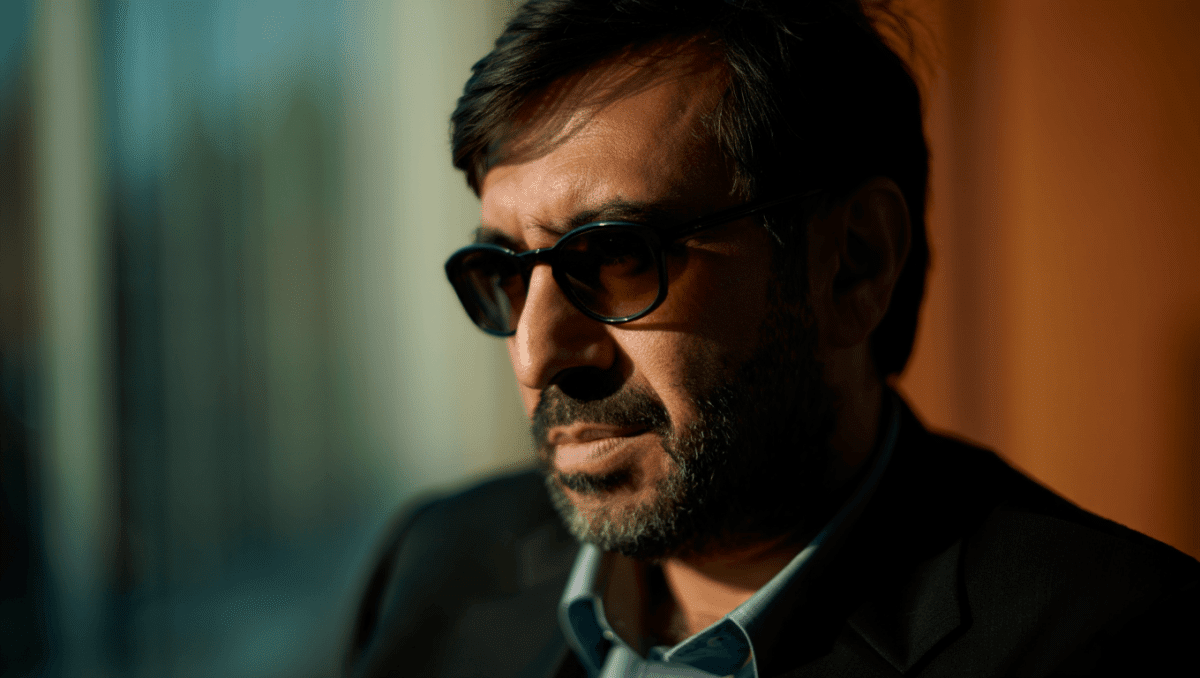
Panahi, 65, has built a global reputation as one of Iran’s greatest filmmakers despite decades of government harassment. He was sentenced in absentia last December to one year in prison and a two-year travel ban on charges of creating propaganda against the regime. Speaking through a translator, Panahi explained his decision with stark clarity.
The filmmaker emphasized that no amount of international acclaim could sever his emotional and artistic ties to his home country. His commitment to returning reflects a pattern established throughout his tumultuous career, where creative resistance has persistently outweighed personal safety.
Jafar Panahi won’t flee prison after Oscar campaign ends
Mikey Madison dazzles in blood-red Dior at tonight’s Oscars
Oscar Campaign Under Unprecedented Pressure
It Was Just an Accident, secretly filmed in Iran despite state surveillance, swept Cannes 2025 with the prestigious Palme d’Or award. The film earned two Oscar nominations for best international feature and best original screenplay, alongside co-screenwriter Mehdi Mahmoudian.
However, Panahi’s awards season has become a study in emotional conflict. While promoting his triumph, he has grappled with devastating news from Iran. Regional conflicts, governmental instability, and internet blackouts have left him unable to reliably contact his wife, son, and other family members still living in Tehran. The stark contrast between his professional success and personal anguish has defined his public appearances since December.
A History of Imprisonment and Defiance
| Year | Event |
| 2010 | Sentenced to 6 years prison and 20-year filmmaking ban |
| 2022-2023 | Detained 7 months in Evin Prison; released via hunger strike |
| May 2025 | ‘It Was Just an Accident’ wins Cannes Palme d’Or |
| December 2025 | Sentenced in absentia to 1 year; travel ban imposed |
In February 2023, Panahi walked free from Evin Prison after enduring seven months of detention. He launched a dramatic hunger strike to protest his unlawful imprisonment, forcing authorities to release him within 48 hours. That experience, marked by his defiance and physical sacrifice, shaped his latest film.
“I really do hope that there can be a way. Perhaps one reason I am here is that my presence compensates for the presence of all the people who cannot be here. And through these conversations and events, I could perhaps give their message to the world.”
— Jafar Panahi, Speaking to NBC News
Why Panahi Won’t Flee Despite Wartime Chaos
Panahi’s resolve hardened even as geopolitical conditions worsened during his awards campaign. In March 2026, as U.S. and Israeli military strikes targeted Iran, communications collapsed nationwide and internet access virtually ceased. Despite this chaos, the filmmaker doubled down on his commitment to return home after the Oscars.
His refusal to flee reflects a philosophy articulated repeatedly in interviews: that to abandon Iran would be to silence not only his own voice but those of countless detained artists, activists, and ordinary citizens unable to travel or speak freely. Panahi views his international platform as a responsibility to amplify marginalized voices and bear witness to state repression.
What Comes After March 15, 2026?
The 98th Academy Awards ceremony on March 15 marks the intended end of Panahi’s awards campaign. Commercial flights to Iran have been suspended due to regional conflict, yet Panahi has stated he will pursue every available route home. Upon arrival, he faces immediate arrest and processing for his one-year sentence, plus potential additional charges.
International advocates, filmmaker organizations, and human rights groups have called for the regime to reconsider the verdict. Yet Panahi has made clear he will not appeal or evade the sentence. His willingness to accept imprisonment underscores a lifetime commitment to artistic freedom that no government decree has dampened. As fighting continues and uncertainty grips the region, the filmmaker remains fixed on a singular goal: to return home, face his punishment, and continue making films that challenge power.