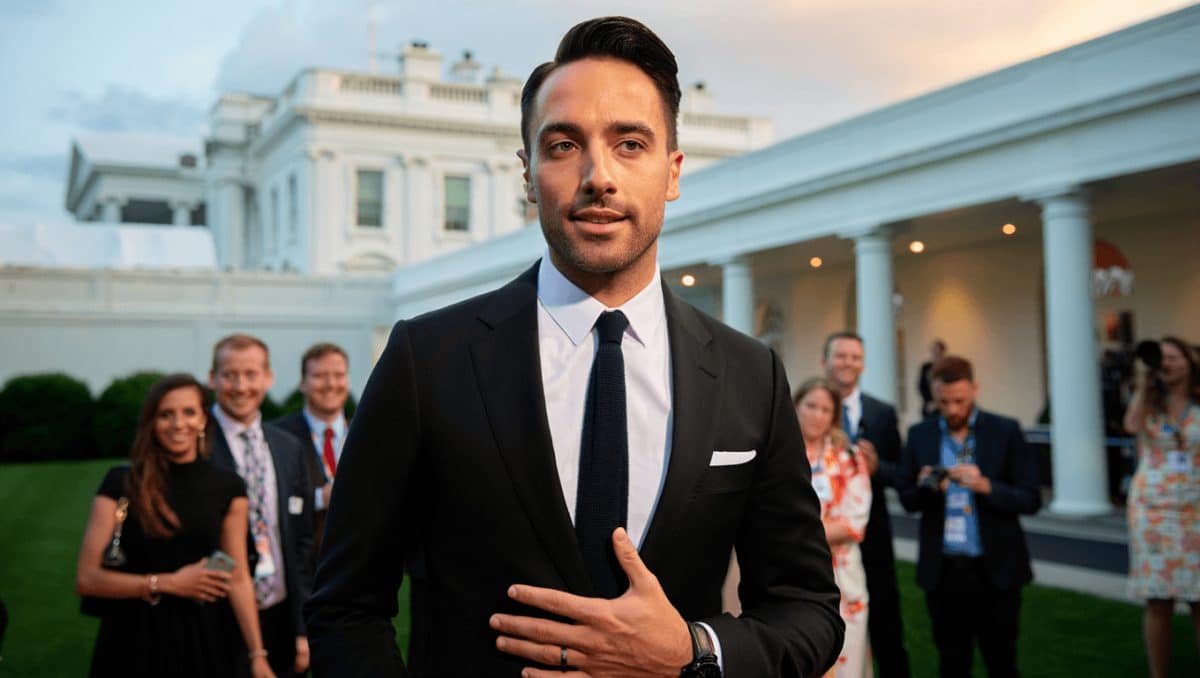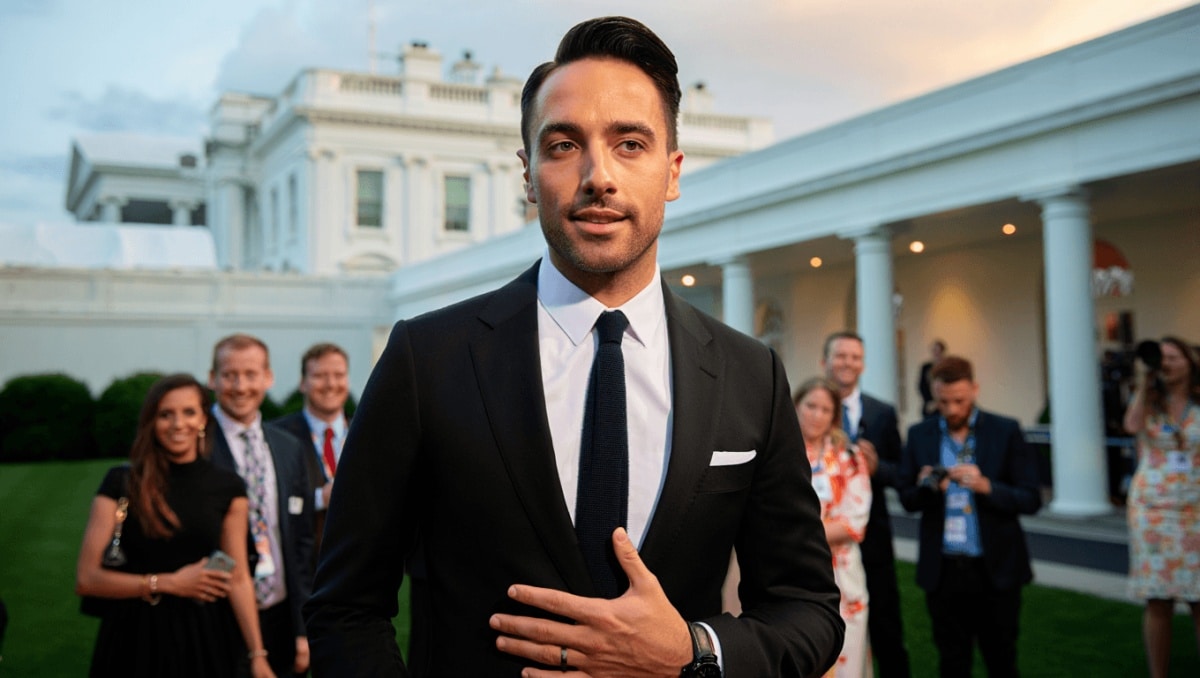
The White House Correspondents’ Association has tapped mentalist Oz Pearlman as the headline entertainer for the 2026 White House Correspondents’ Dinner — a notable departure from the roast-driven comedy that has long defined the evening. The choice underscores a shift in how organizers are balancing entertainment, safety and the appetite of Washington’s news community amid a more contentious political climate.
The WHCA said it wanted an act that would be “fresh” and interactive, opting for a performer known for mind-reading illusions instead of a stand-up comic. Pearlman, who has earned an Emmy and a place on the New York Times bestseller list, told the association he was honored to appear before the journalists, politicians and other guests who attend the annual event.
Long a blend of celebration and satire, the dinner has traditionally showcased comedians who roast elected officials and the press corps. This year’s decision reflects growing caution among organizers and performers — a response to the increasingly fraught relationship between some public figures and late-night humorists.
Organizers pick surprising host for White House Correspondents’ Dinner 2026
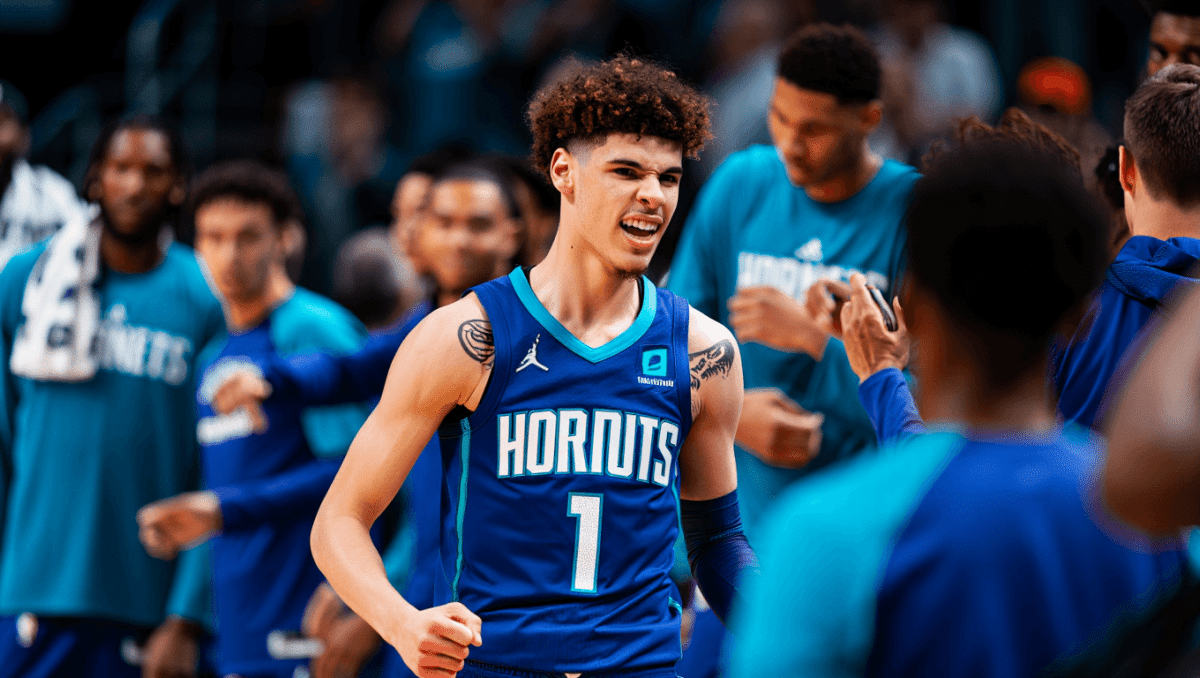
LaMelo Ball becomes fastest to 900 three-pointers, breaks NBA record
A different kind of spotlight
Pearlman’s act centers on psychological illusion and audience interaction rather than pointed political zingers. Attendees should expect demonstrations that aim to reveal personal choices, reactions and memories through sleight-of-hand, suggestion and rapid observation.
Organizers framed the move as a way to keep the event lively while avoiding the direct, high-profile confrontations that have sometimes followed televised jabs at political leaders in recent years. The change is also likely to affect who accepts future invitations to headline and how the dinner is covered by news outlets.
- Credentials: Pearlman is an Emmy winner and author, with a career on television and stage that emphasizes interactive mentalism.
- Format: Expect participatory segments rather than a long stand-up routine; the evening will lean on spectacle and surprise.
- Why it matters: The selection signals caution about the consequences of overt political satire and suggests the WHCA is prioritizing a celebratory tone over roast-style critiques.
For journalists and guests, the move could mean fewer on-stage barbs and more emphasis on entertainment that engages the room without singling out individuals. That will likely change both the atmosphere inside the ballroom and the narratives that emerge in next-day coverage.
Past dinners have drawn a wide variety of entertainers — from late-night hosts to headline singers and comics — and the new direction highlights how the event continues to adapt as Washington’s dynamics evolve. The WHCA has framed the night as a chance to honor the press and the First Amendment, while also offering an evening people will remember for its showmanship.
Whether this approach becomes a trend for future dinners will depend on audience reaction and how performers weigh the risks and rewards of appearing at politically charged gatherings. For now, organizers are betting that wonder and interaction can replace the traditional roast as the evening’s main attraction.