Show summary Hide summary
- 🔥 Quick Facts
- The End of an Era for Daytime Television
- How Steve Wilkos Rose From Security Guard to Talk Show Icon
- The Changing Landscape of Syndication and Why Talk Shows Struggle
- What Happens to the Stamford, Connecticut Facility?
- Is This Really the End of Traditional Syndication for NBCUniversal?
The Steve Wilkos Show is ending after 19 seasons of producing compelling talk television. NBCUniversal announced on March 13, 2026, that it’s exiting first-run syndication production entirely. Production has already wrapped, with remaining episodes airing through summer.
🔥 Quick Facts
- Show Debut: September 2007, hosted by former security director Steve Wilkos
- Final Episode Date: Episodes will air through summer 2026 from pre-taped inventory
- Location: Produced at NBCU’s Stamford Studios in Connecticut since inception
- Reason for Cancellation: NBCUniversal exiting all first-run syndication due to shifting station preferences
The End of an Era for Daytime Television
The Steve Wilkos Show was the last major talk show produced by NBCUniversal to face cancellation. The network’s decision signals a fundamental shift away from traditional syndicated programming. Karamo, another NBCU talk show, also ends production this week. Access Hollywood, the network’s iconic entertainment news show with 30 years on air, will wrap production by summer as well.
Wilkos transitions from his current role with dignity. His show maintained consistent ratings by focusing on real-world conflict resolution and human interest stories.
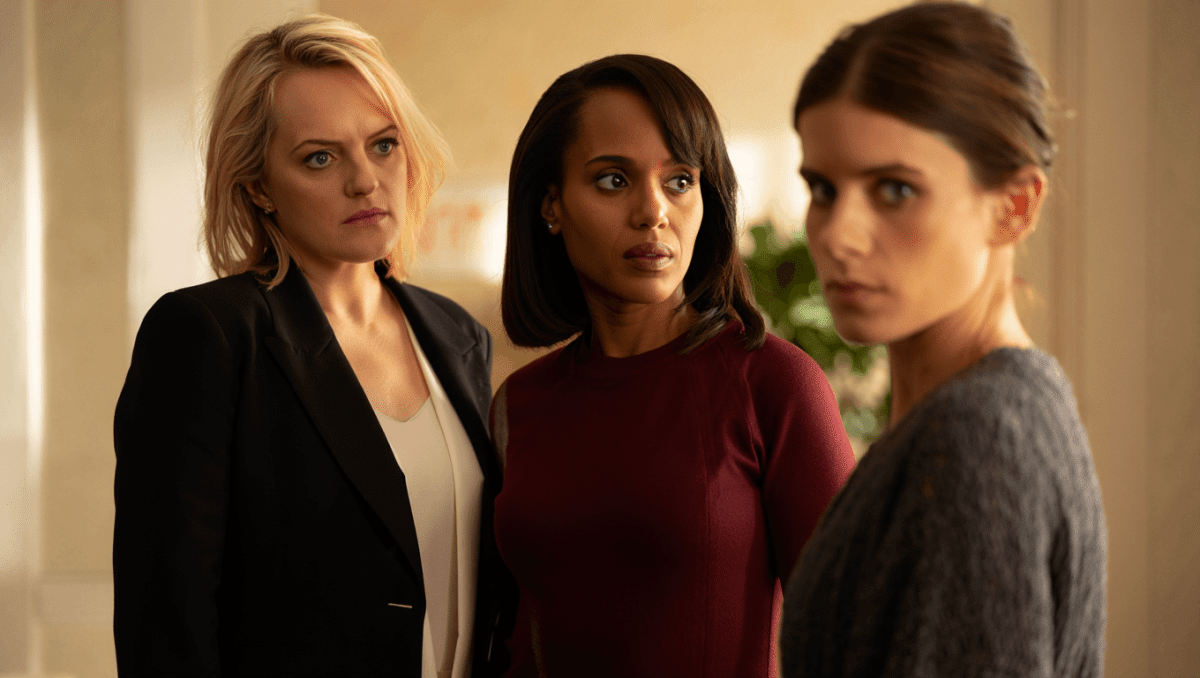
Elisabeth Moss takes on psychological thriller in Apple TV’s Imperfect Women launching tomorrow
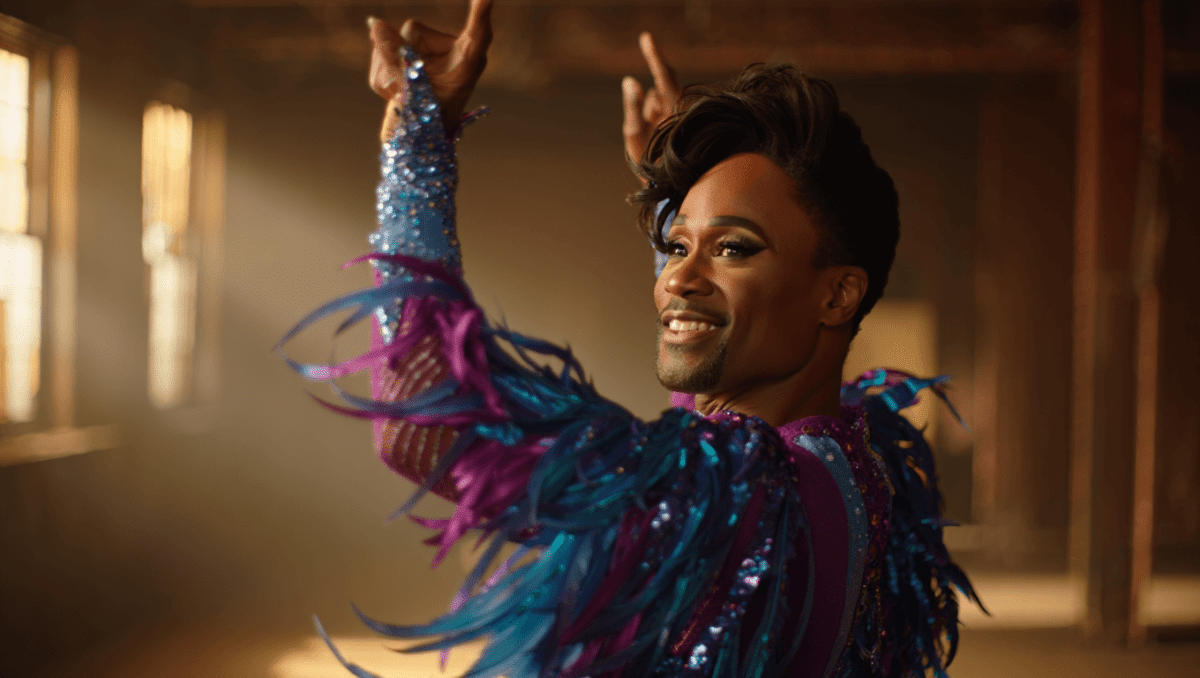
Billy Porter returns to Broadway in La Cage Aux Folles, stepping into iconic role
How Steve Wilkos Rose From Security Guard to Talk Show Icon
Steve Wilkos started his television career as director of security for Jerry Springer from 1994 to 2007. He famously stepped in to substitute host during Springer episodes, showcasing his command and natural charisma. When Springer’s tenure wound down, NBCUniversal greenlit The Steve Wilkos Show, banking on his proven appeal.
Beyond television, Wilkos is a former U.S. Marine and Chicago police officer, credentials that shaped his no-nonsense hosting persona.
The Changing Landscape of Syndication and Why Talk Shows Struggle
Talk shows face mounting pressure from rising production costs and declining demand among local TV stations. Stations increasingly prioritize local news and community-focused programming over studio-produced content. Video podcasts now dominate similar content niches at a fraction of the production budget.
| Factor | Impact on Syndication |
| Production Costs | Continuously rising, unsustainable for networks |
| Station Demand | Down significantly, focus shifted to news |
| Competition | Video podcasts and digital platforms |
| Viewer Trends | Declining traditional daytime TV viewership |
The Kelly Clarkson Show ended last year, the first major blow to NBCU syndication strategy. Industry experts predict more cancellations across all networks unless the model transforms.
“NBCUniversal is making changes to our first-run syndication division to better align with the programming preferences of local stations. The company will remain active in the distribution of our existing program library and other off-network titles, while winding down production of our first-run shows.”
— Frances Berwick, Chairman of Bravo and Peacock Unscripted for NBCUniversal
What Happens to the Stamford, Connecticut Facility?
NBCU’s Stamford Studios housed production of The Steve Wilkos Show, Karamo, and Access Hollywood for years. The facility is expected to close by late 2026. This shutdown eliminates hundreds of production jobs across Connecticut, affecting crew members, producers, and support staff.
The company plans to maintain its library distribution business for existing catalog content. Shows including Dateline, Law & Order, Chicago PD, Maury, and Jerry Springer will continue airing in syndication through licensing agreements.
Is This Really the End of Traditional Syndication for NBCUniversal?
Yes, NBCUniversal’s exit from first-run syndication production marks the complete end of an era for the media giant. The network will focus on distributing existing library titles rather than producing new talk and entertainment shows. Industry observers see this as a watershed moment: the beginning of the end for traditional syndicated television as a business model.
CBS Entertainment Television still produces Entertainment Tonight, and other studios maintain shows like Extra and Inside Edition. But the trend is clear. Even as streaming and podcasts grow, legacy talk shows continue facing existential threats. Will other networks follow NBCUniversal’s lead and exit production entirely?
Sources
- The Hollywood Reporter – Breaking news coverage on NBCUniversal’s exit from first-run syndication
- Deadline – Comprehensive reporting on canceled show details and studio impact
- Variety – Executive statements and industry analysis on syndication changes