Show summary Hide summary
David Ellison made his debut before Warner Bros. Discovery executives on March 10, 2026, unveiling his vision for a $111 billion merger merger. The Paramount CEO addressed 200 WBD leaders but left many executives wanting more specifics on the projected $6 billion cost cuts. What exactly is Ellison planning for Hollywood’s future?
🔥 Quick Facts
- Deal Value: Paramount’s acquisition of WBD totals $111 billion, creating a streaming titan
- Cost Targets: Ellison projects at least $6 billion in synergies over three years post-close
- Closure Timeline: The merger is expected to close by Q3 2026 with a $7 billion ticking fee looming
- Production Goals: The combined studio plans to produce 30 theatrical films yearly, expanding DC universe content
A “Turbulent” Journey Finally Reaches Its Destination
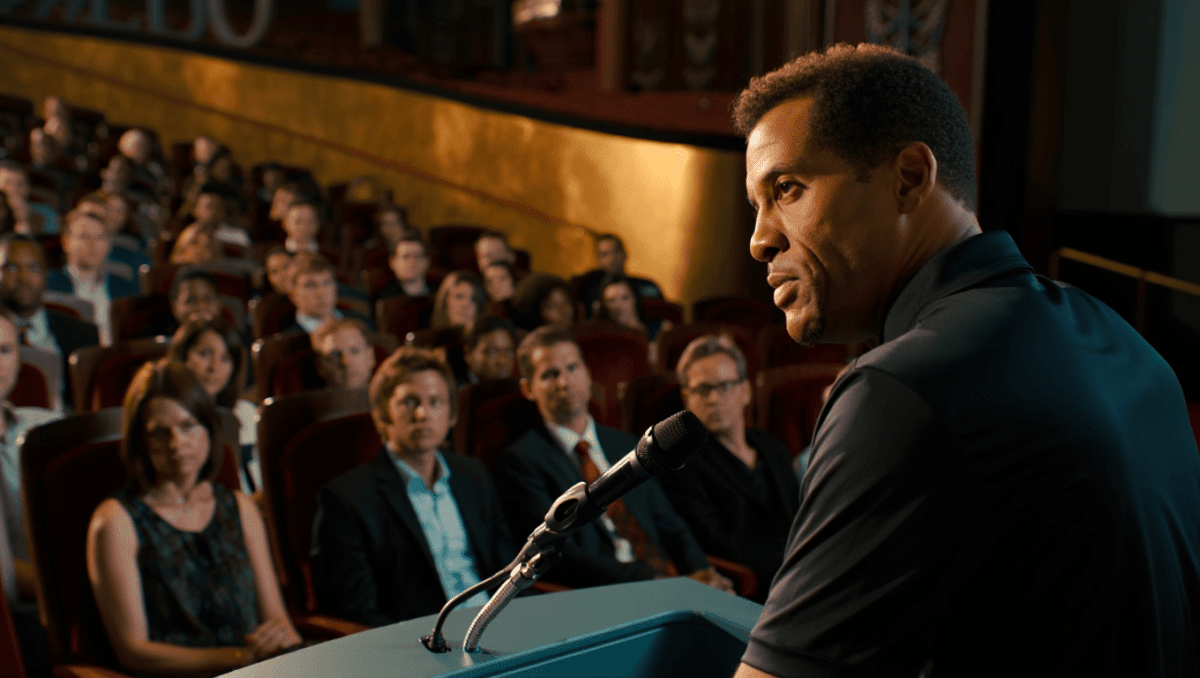
David Ellison took center stage at Warner Bros.’ Steven J. Ross Theatre on Tuesday, March 10. About 160 senior executives attended in person, with another 300-plus joining via videoconference. The Paramount Skydance CEO frankly acknowledged the chaos. According to reports, Ellison stated that the merger process has been “turbulent” but stressed that “that part is behind us.” The assembled crowd had endured months of uncertainty after Netflix initially won the WBD deal in December, only to see Paramount launch a superior hostile bid just weeks later.
Ellison spent about 45 minutes addressing the crowd with prepared remarks followed by a 30-minute Q&A session. He demonstrated extensive knowledge across multiple business units, from theatrical releases to sports rights. According to attendees, the Paramount leader showed genuine passion for filmmaking, particularly DC Universe content, which he name-checked twice during his presentation.
David Ellison addresses WBD executives, $6B cost cuts planned
St Patrick’s Day parade returns to NYC tomorrow with 150-year history
The $6 Billion Question: Where Will the Cuts Come From?
The elephant in the room centered on Paramount’s $6 billion cost reduction target. Ellison argued that most savings would come from eliminating duplicate functions, not widespread layoffs. However, skepticism filled the theater. One attendee told Deadline, “We don’t believe him.” Another executive noted that Ellison was “full of platitudes and not much more.” The CEO repeatedly cited legal “gun-jumping” restrictions preventing him from making detailed announcements before regulatory approval. Yet WBD staff, already experiencing Paramount Skydance’s deep cuts after its August 2025 acquisition of the original Paramount, remain deeply concerned about their futures.
When asked directly about expected job losses, Ellison wouldn’t provide specific numbers. According to The Hollywood Reporter, he emphasized that Paramount maintained a commitment to theatrical film production and that both studio lots would remain operational. Still, 30 theatrical films annually from two combined studios raises questions about the workforce needed for such output.
| Key Detail | Status |
| Deal Closing Date | Q3 2026 (by September 30) |
| Projected Cost Cuts | $6 billion over 3 years |
| Annual Film Production | 30 theatrical releases target |
| Ticking Fee (Per Quarter Late) | $0.25 per share after Q3 2026 |
Hollywood’s Biggest Consolidation Faces Intense Scrutiny
Paramount executives have stressed repeatedly that production capacity won’t shrink despite massive cost targets. Yet industry observers remain skeptical given the scale of proposed “synergies.” By comparison, the Netflix-WBD merger that collapsed in 2025 faced similar doubts. Labor unions, particularly the Teamsters, have called for federal intervention, warning that consolidation always precedes devastating layoffs. Regulatory approval remains uncertain, with the DOJ, EU, and California officials scrutinizing antitrust implications.
During the Q&A, Ellison fielded questions about CNN’s editorial independence, promising that the news outlet would maintain autonomy. He cited CBS News as a model for how acquired news divisions maintain integrity. One attendee remarked that Ellison came across as “passionate and confident” in his knowledge of storytelling, though uncertainty remained about concrete next steps. In classic town hall fashion, many WBD leaders left the March 10 event feeling more confused than reassured.
“We were hoping for more.”
— WBD Executive, Anonymous, Hollywood Reporter
What’s Next for Paramount, WBD, and Hollywood’s Future?
Ellison spent lunch on the Warner lot with HBO Chief Casey Bloys, a critical executive whose contract expires in 2027. Retaining top talent like Bloys will be essential for Ellison’s success. The Paramount-HBO Max merger into a single streaming platform represents another major integration challenge. Unlike Netflix’s Ted Sarandos, who celebrated theatrical releases in a similar town hall last December, Ellison’s visit felt more cautious and restricted by legal constraints. Attendance across both videoconference and in-person formats totaled over 460 executives from Warner Bros. film studios, HBO, CNN, and other divisions. Following the meeting, WBD insiders described Ellison’s demeanor as professional but leaving key questions unanswered about the road ahead. As one executive summarized, “It was good there were no surprises,” which is perhaps the lowest praise possible during a transformative $111 billion deal announcement. Will Ellison’s vision unite Hollywood’s titans, or will it become another costly consolidation failure?