Show summary Hide summary
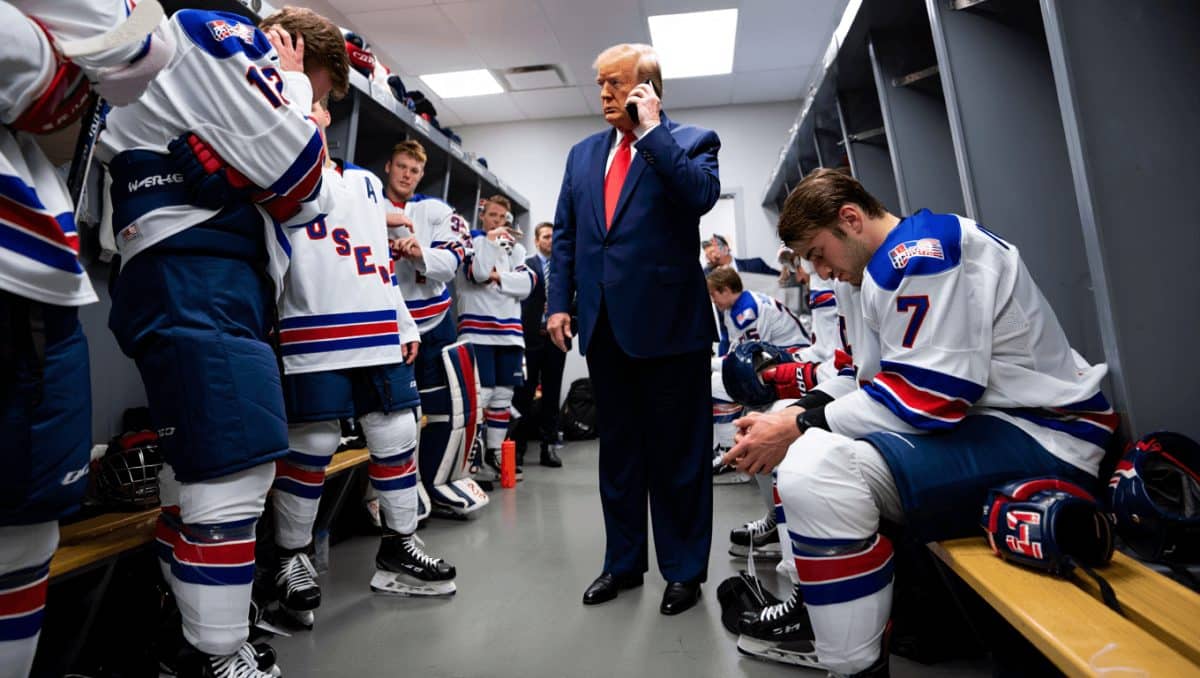
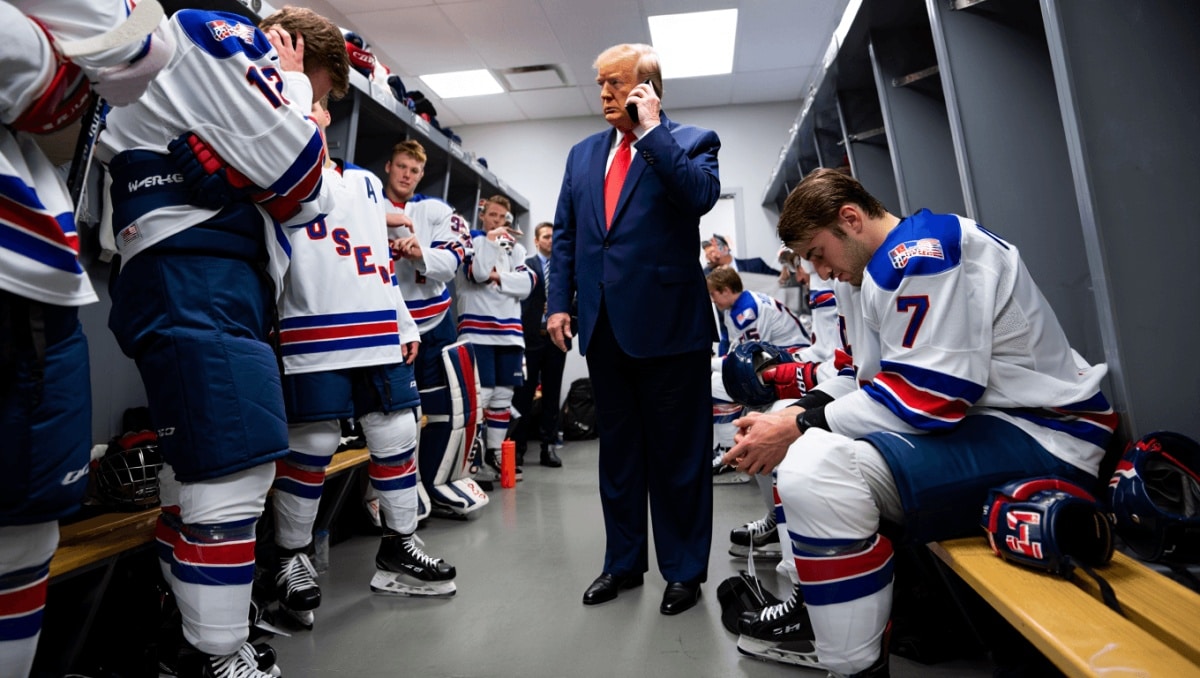
The fallout from a viral locker-room phone call between President Donald Trump and members of the U.S. men’s hockey team is still reverberating across sports and politics. What began as a celebratory moment after the team’s Olympic gold has exposed broader tensions about gender, public accountability and how athletes navigate political attention.
How the moment escalated
Trump-US hockey controversy draws stars’ reactions and explains why
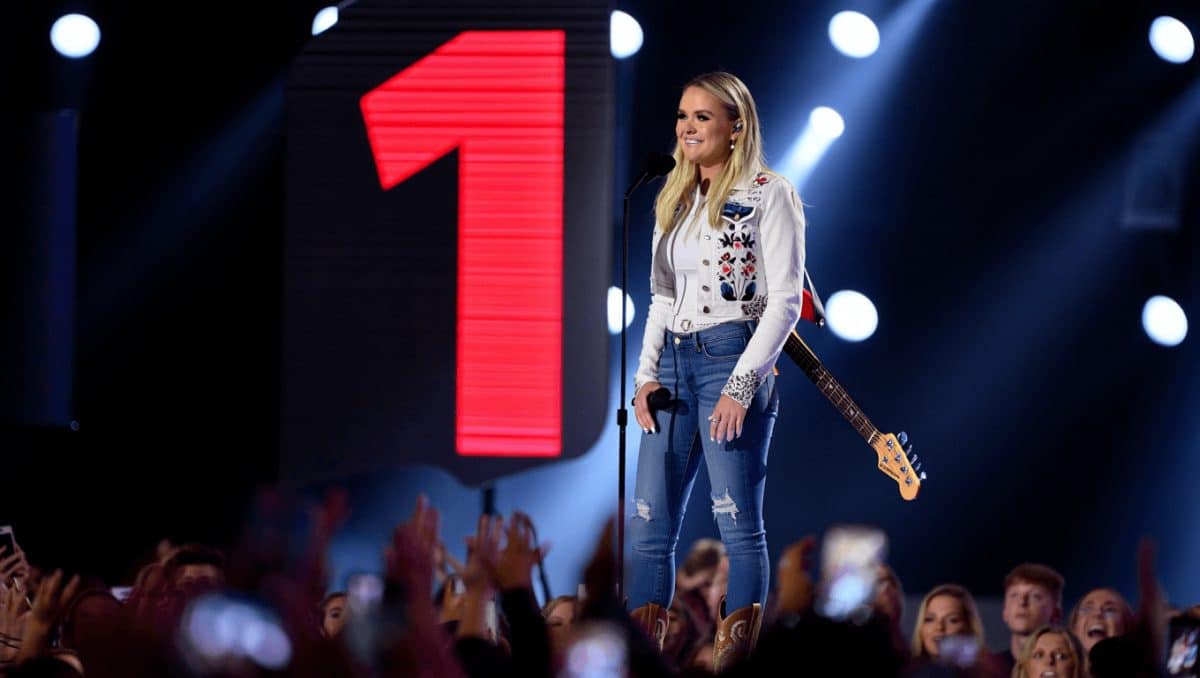
Returns to No. 1: Ella Langley’s Choosin’ Texas makes history again on Country Airplay Chart
After the U.S. men’s team beat the competition at the 2026 Winter Olympics in Milan–Cortina, Trump phoned the locker room and invited several players to the Feb. 24 State of the Union. Video of that exchange circulated widely when the president said he planned to invite the women’s gold-medal team as well — adding that he would risk being “impeached” otherwise — and some players laughed on the call.
The clip quickly became a cultural flashpoint. The women’s team declined a formal White House visit, citing prior academic and professional commitments, while many of the men attended the address with mixed public responses. Some players have since expressed regret; others defended their reactions or downplayed the moment.
Reactions from athletes and public figures
Voices from across sports and entertainment weighed in over the past week, urging reflection or offering support for the women who won gold.
On the podium and in interviews, veteran players were blunt. Hilary Knight said the president’s remark dimmed the celebration around the women’s achievement, calling the joke “distasteful” and noting it distracted from the team’s success.
Soccer champion Megan Rapinoe delivered a message of encouragement at a Seattle event, telling the women not to let the exchange define their moment. “That had nothing to do with you,” she said, urging fans to focus on the athletes’ performance rather than the political theater.
Former U.S. soccer stars Abby Wambach and Julie Foudy framed the issue as one of basic sportsmanship. On the “Welcome to the Party” podcast, Wambach urged athletes to avoid laughing when someone is hurt by a comment and called for apologies and accountability when mistakes are made. Foudy added that this is not a partisan debate but an opportunity to show respect.
An actor from the hit series ‘Heated Rivalry’ speaks up
Harrison Browne, known for his role on the popular hockey drama about LGBTQ+ players, urged peers to support one another. Browne said the incident underlines the importance of allyship — especially when public figures or teammates find themselves on the wrong side of a moment.
Other responses — criticism and celebration
Ilona Maher, another prominent voice from women’s sports, expressed disappointment and a lack of surprise at the reaction, saying the exchange reinforced why many athletes must remain vigilant about their public platforms.
On a lighter note, rapper Flavor Flav invited medal-winning women to a celebratory event in Las Vegas, offering an alternative venue for recognition and applause after the White House episode.
- Immediate impact: The women’s team declined a White House visit, citing prior commitments; the men largely attended the State of the Union.
- Public discourse: The episode has sharpened debate about locker-room culture, accountability and how athletes respond under pressure.
- Longer term: Calls for apologies and clearer standards for public conduct are likely to persist among athlete communities and fans.
Why this matters now
Sports and politics have always intersected, but social media amplifies every misstep. For athletes — particularly women and marginalized players — moments like this can overshadow competitive achievements and shape public perception. The broader conversation is about respect and how teams, leagues and public figures respond when a celebratory scene becomes a political story.
The next steps are straightforward but consequential: whether those involved acknowledge the harm, offer apologies where appropriate, and whether governing bodies or teams pursue conversations about conduct and support. Those responses will determine if this episode becomes a brief controversy or a catalyst for change.
Published Feb. 26, 2026.