Show summary Hide summary
Jane Lapotaire, the British actress whose stage portrayal of Édith Piaf won top honors on both sides of the Atlantic, has died at 81, her passing reported on March 5. Her death closes a six-decade career that bridged classical theatre, television and film and continued to draw attention right up to her recent investiture as a CBE.
Lapotaire’s career was rooted in the British stage but reached international audiences through landmark roles and television appearances. Her performance as Piaf — a demanding, lifelong portrait that she prepared for by learning to sing — earned her both the Olivier and the Tony and remains one of the defining theatrical achievements of her generation.
From regional repertory to global stages
Born in Ipswich on December 26, 1944, Lapotaire was raised by a French foster carer and trained at the Bristol Old Vic after being turned away by RADA. She joined Laurence Olivier’s company at the National Theatre in the late 1960s and, in 1970, became a founding member of the Young Vic — a company that helped establish her reputation for both classical and adventurous work.
Death of Jane Lapotaire, Tony and Olivier winner for Piaf, at 81
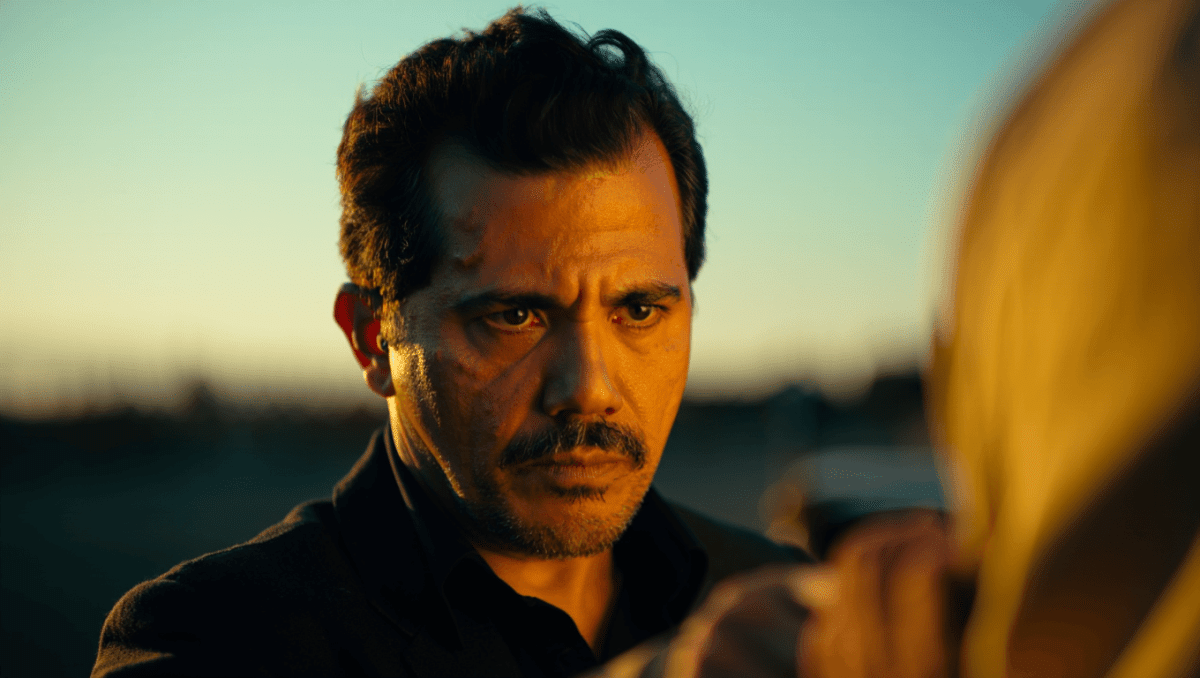
Pablo Escobar gets fresh take with John Leguizamo in Hulu series
She later became a mainstay of the Royal Shakespeare Company, tackling everything from Shakespearean leads to contemporary pieces. Her versatility extended beyond ensemble work: she also created a one-woman show exploring Shakespeare’s women and played major roles on screen in films and television series spanning several decades.
Key milestones
- 1944: Born in Ipswich, Suffolk.
- 1970: Co-founded the Young Vic, establishing a reputation for bold theatrical choices.
- 1979–1981: Won the Olivier for her West End Piaf and later the Tony for the Broadway transfer.
- 2000: Suffered a cerebral hemorrhage while touring; underwent major surgery and later wrote candid memoirs about recovery.
- 2013–2019: Returned to the RSC and appeared on television, including roles in Downton Abbey and The Crown.
- 2025: Appointed CBE and attended an investiture at Windsor Castle on February 17.
Her work as Piaf was noted for its emotional depth and technical rigor; critics lauded the rawness and control of her stage singing, qualities that propelled the production from the RSC to the West End and then to Broadway.
Late-career revival and screen work
After recovering from the 2000 cerebral hemorrhage — and publishing a memoir about the experience — Lapotaire returned to professional life in the mid-2000s. She rejoined the RSC for productions including a revival staged with David Tennant, and took on television parts that introduced her to new audiences, appearing in the Downton Abbey Christmas special and later in Netflix’s The Crown as Princess Alice of Greece.
She continued to work into the 2020s, with credits in feature films and the 2023 Paramount+ miniseries The Burning Girls. Those later roles underlined a career that adapted to changing platforms while keeping the stage as its foundation.
Why this matters now
Lapotaire’s death comes at a moment when British theatre is still reshaping itself after the pandemic and ongoing shifts in funding and audience habits. Her life exemplified a path from repertory roots to international recognition, and her recent CBE underlines how the establishment rewarded a lifetime of artistic contribution just weeks before her death.
Theatre companies and actors will recall her example — especially younger performers navigating the balance between stage rigor and screen opportunities. Her memoirs remain a practical record of recovery and resilience for anyone facing a major health setback.
Selected stage and screen credits
- Stage: Édith Piaf (RSC, West End, Broadway), Maria Callas in Master Class, numerous RSC and Young Vic productions including Shakespearean lead roles.
- Film/TV: Antony and Cleopatra (1972), Lady Jane (1986), Surviving Picasso (1996), Shooting Fish (1997), Downton Abbey (special), The Crown (2019), The Burning Girls (2023).
Lapotaire published two memoirs: an earlier volume in 1989 and a later account of her recovery in 2003, which detailed the physical and emotional challenges that followed her 2000 illness and the long road back to performance.
She is survived by her son, screenwriter-director Rowan Joffé. Her second marriage, to director Roland Joffé, ended in divorce in 1980.
Tributes from colleagues and theatre institutions are expected in the coming days as the stage community reflects on a career that combined classical authority with a strikingly personal approach to performance.