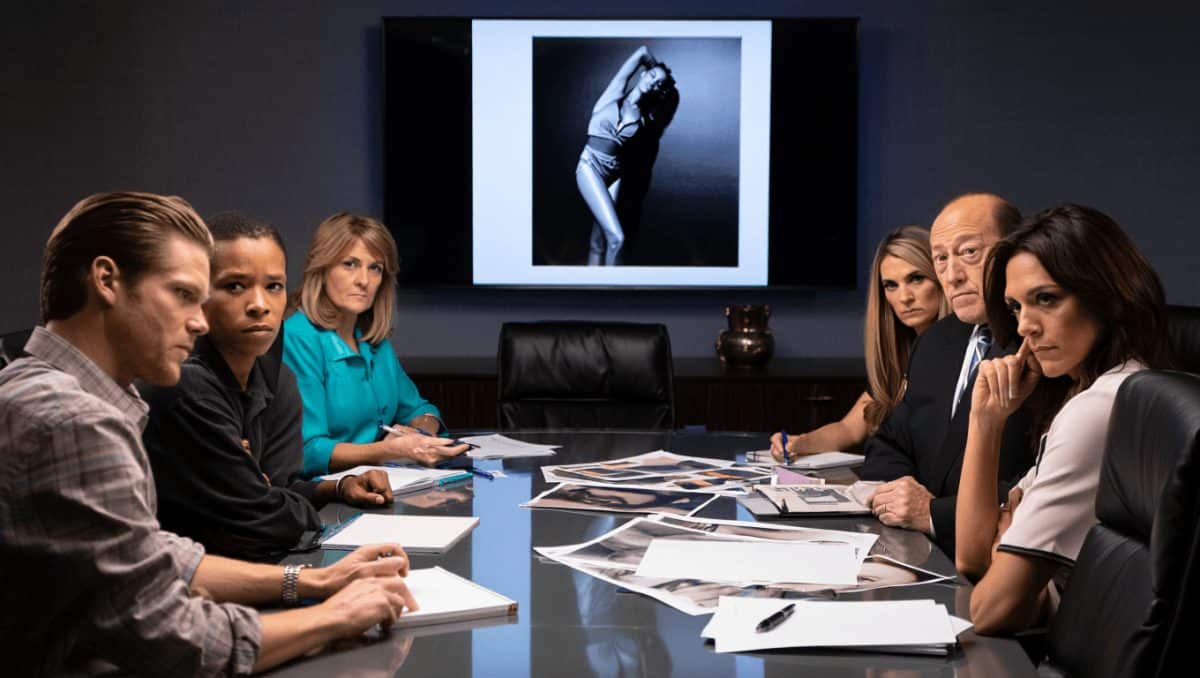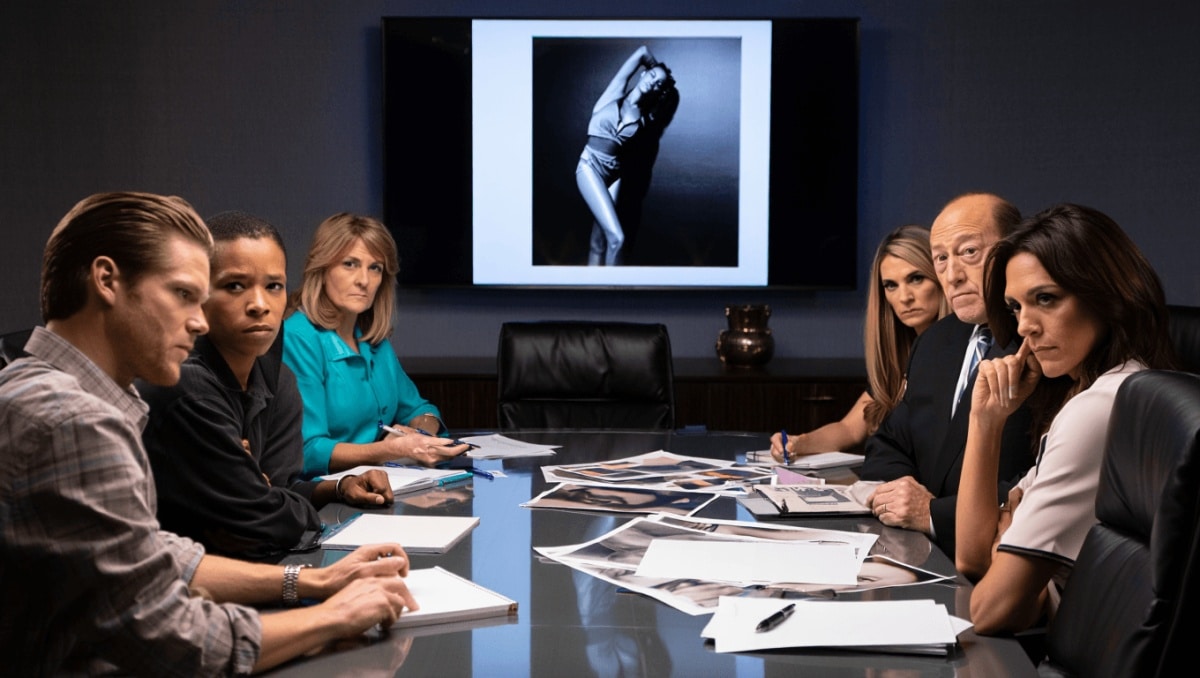
America’s Next Top Model’s most notorious photoshoots are facing renewed scrutiny in 2026 as industry and public conversations about consent, representation, and archival responsibility intensify. The reevaluation is part of a wider culture shift that is forcing networks, streaming platforms and former cast members to reexamine how reality-television production is remembered — and who gets to decide what stays available to viewers.
Producers, participants and viewers revisiting the show’s catalogue say what once passed for edgy television is being judged by a different standard today. The series, launched by Tyra Banks in 2003 and influential for nearly two decades, included concept-driven shoots that critics now say sometimes blurred boundaries between creative risk and exploitative practice.
Why this matters now
Public attitudes toward media ethics have shifted since ANTM’s heyday. Audiences and advocacy groups increasingly demand clearer documentation of how on-set decisions were made, stronger protections for participants, and context for vintage content that could be harmful or misleading if presented without explanation. For viewers, that can affect what they find on streaming platforms; for former contestants, it may reopen discussions about consent, mental-health support and compensation.
TV networks reexamine ANTM photoshoots in 2026
Named Global Brand Ambassador: Stray Kids’ Hyunjin Partners With Iconic Denim Company
What’s happening
Some of the practical moves underway are already visible: streaming services that host reality-TV archives are reviewing older episodes for scenes that might now be considered problematic. Production companies and rights holders are being asked to provide more context — content advisories, behind-the-scenes disclosures or even removal of specific segments.
At the same time, a number of former contestants and crew members have taken to social media and podcasts to revisit their experiences, seeking to clarify what happened during certain shoots or to describe the long-term impact of working in a pressure-filled competition environment. Advocacy groups focused on media ethics and performer welfare are using those accounts to press for industry standards that would prevent similar issues on future shows.
Industry response and limits
Major platforms often face a balancing act: preserving cultural history while protecting audiences and people depicted on screen. Some streaming services have started to add content warnings to older shows; others are commissioning new material that frames archival footage with expert commentary. Rights owners can face financial and legal complexities — removing or altering content may affect licensing deals and the way residuals are paid.
Not every episode or shoot is being reassessed with the same intensity. Material that involves clear safety concerns, unconsented nudity or exploitation tends to draw immediate attention. But industry observers note the broader effect: creators and distributors are rethinking how reality programming is produced, paid for and archived.
Potential consequences for viewers and the industry
– Platforms could add standardized content advisories or contextual introductions for archived reality shows.
– Streaming catalogs may shrink or be edited, affecting availability of past seasons.
– Producers might adopt stricter on-set consent protocols and third-party oversight.
– Former participants could seek retroactive compensation or public acknowledgment of harms.
– Academic and journalistic work documenting TV history may gain renewed access to unedited materials or production records.
– Advertisers and sponsors may pressure platforms over controversial content, influencing curation decisions.
Voices from behind the camera
Several former crew members and talent coordinators say production priorities in the early 2000s were different: fast turnaround, high ratings and inventive concepts often outweighed formalized welfare procedures. Those industry veterans argue the solution is not erasing archive footage but improving transparency — clear production notes, consent forms that recipients can review, and readily available resources for participants who were affected by past episodes.
Others, particularly mental-health advocates and some ex-contestants, call for stronger accountability: public acknowledgement of problematic shoots, official apologies where appropriate, and systemic changes to protect participants on current and future programs.
What to watch for next
Expect to see a mix of short-term actions and longer debates. In the immediate term, streaming platforms and rights holders are likely to roll out content advisories and select edits. Over the next year, trade groups and lawmakers may turn their attention to formalizing best practices for reality production. That could include guidelines on informed consent, on-set mental-health support, and archival labeling — all aimed at preventing harm while retaining historical context.
For viewers, the practical effect is straightforward: some familiar episodes may be presented differently or temporarily removed from libraries, replaced by contextualized packages or new features that explain the production environment of the time.
A note on preservation and public record
Archivists and media historians caution against blanket deletions. They argue that documented media, even when problematic, serves an important educational purpose if properly framed. The challenge for platforms and producers will be to preserve the historical record while minimizing harm to people depicted and to audiences.
In short, the reexamination of ANTM photoshoots is not just about a single program’s past choices. It reflects a larger reckoning over how reality television is made, who is responsible for participants’ well-being, and how platforms should present archival content in an era demanding greater accountability.