Show summary Hide summary
Monica Lewinsky just broke her silence about the Clinton scandal in a raw, emotional way. In a March 11, 2026 interview, she compared her public humiliation to witch hunts. Her words reveal why she refused to erase her famous name.
🔥 Quick Facts
- Scandal timeline: 22-year-old intern had affair with President Clinton from 1995-1997, became public in 1998
- Her comparison: Lewinsky calls the backlash a ‘public burning,’ emotional destruction like historic witch hunts
- Name decision: Refused to change surname despite intense pressure and media frenzy lasting decades
- Double standard: Clinton never faced pressure to change his name, highlighting gender disparity in scandal coverage
Monica Lewinsky Compares Scandal to ‘Public Burning’
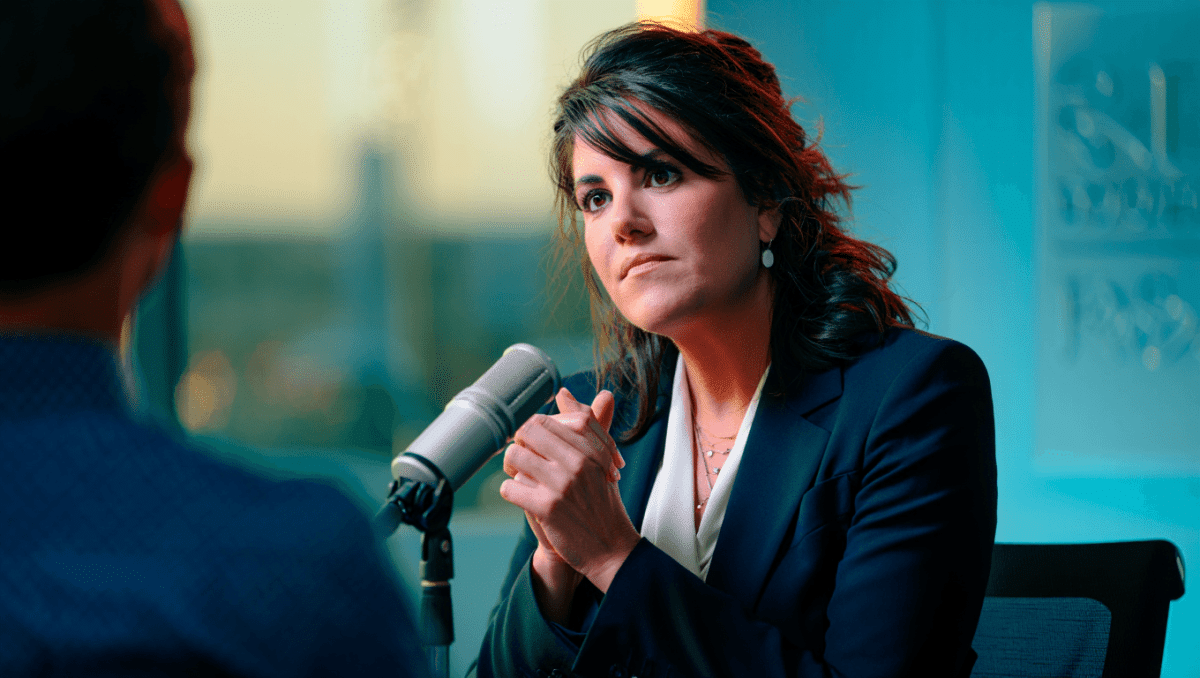
During her appearance on The Jamie Kern Lima Show, Lewinsky opened up about the crushing toll the scandal took on her life. She described waking up in her Watergate apartment to find her name splashed across every newspaper in the hallway. The media frenzy was relentless and inescapable.
“You know, the same way that there were women tied to a post and burned at a stake and called a witch,” Lewinsky explained. She clarified: “It was not a physical burning, but a public burning, but an emotional burning.” The comparison highlights how she experienced the scandal as a form of modern social punishment and public condemnation.
Monica Lewinsky calls Clinton scandal ‘public burning,’ compares to witch hunts
Jake Paul won’t return to ring until late 2026, rules out sparring for months
Why the Scandal Became ‘Lewinsky’ Not ‘Clinton’
A crucial detail shaped her entire legacy: the scandal became known as the “Lewinsky scandal” rather than the “Clinton scandal.” This naming convention permanently tied her identity to the controversy. When asked why she didn’t simply change her name to escape the stigma, Lewinsky revealed she had seriously considered it many times with her family.
Practically speaking, she said a legal name change wouldn’t have worked. By the time paperwork surfaced, newspapers would have reported it immediately, defeating the purpose. But her decision ran deeper. “I shouldn’t have to change my name,” she stated firmly. She refused to carry the burden of erasure for a scandal involving two people.
Gender Double Standard in Scandal Coverage
The heart of Lewinsky’s message centers on a persistent double standard. When hosts asked why she didn’t change her name, nobody ever asked President Clinton the same question. “I don’t think I’ve ever heard a man who’s been through a scandal being asked,” she observed. This asymmetry reveals how women bear the “cloak of shame” alone.
| Aspect | Monica Lewinsky | President Clinton |
| Name association | Called “Lewinsky scandal” | Called “Clinton affair” |
| Public pressure | Asked to change surname | Never asked same question |
| Career impact | Name-based shame, bullying | Remained in office, legacy intact |
| Public portrayal | Sole focus of ridicule | Shared responsibility unclear |
Lewinsky highlighted how the movement’s leaders in 1998 failed to articulate a position that wasn’t anti-woman. The scandal exposed deep gender bias in how society punishes women versus men for the same transgression.
The Emotional Toll and Path to Activism
Lewinsky acknowledged the crushing psychological weight she carried. “There were a number of moments where it just felt unbearable,” she revealed. “I just did not think I could take another breath.” Her self-esteem issues were both cause and consequence of the scandal.
Today, Lewinsky has transformed her trauma into activism. She hosts “Reclaiming with Monica Lewinsky,” a podcast exploring resilience and recovery from public shaming. She’s become a leading voice against cyberbullying and advocates for digital empathy. Her refusal to change her name was an act of self-reclamation, refusing to let shame erase her identity.
What Does Monica Lewinsky’s Story Teach Us About Power and Shame?
Lewinsky’s 2026 interview comes nearly three decades after the scandal first erupted. She now speaks as a survivor and advocate, not a victim. Her message extends beyond one scandal. It challenges how society assigns shame differently based on gender, how media weaponizes names, and how women must fight to reclaim their narratives.
The double standard she identified persists across countless public controversies. When scandals break, women’s names become household synonyms for shame, while men’s names fade into background context. Lewinsky’s decision to keep her name, despite decades of pressure, stands as a quiet but powerful act of resistance against that inequality.
“It wasn’t called the Clinton scandal. It was called the Lewinsky scandal. My family’s name suffered. I shouldn’t have to change my name. That is part of the cloak of shame that women are expected to wear.”
— Monica Lewinsky, activist and former White House intern
Sources
- Fox News – Breaking story featuring Monica Lewinsky’s interview with The Jamie Kern Lima Show where she discusses the scandal’s lasting impact and gender double standards
- The Jamie Kern Lima Show – Recent podcast episode featuring Lewinsky’s candid discussion of public shaming, witch hunt comparisons, and her decision to keep her surname
- Historical Record – Documentation of the Clinton-Lewinsky scandal from 1998, its media coverage, and the gendered nature of blame assignment in the affair