Show summary Hide summary
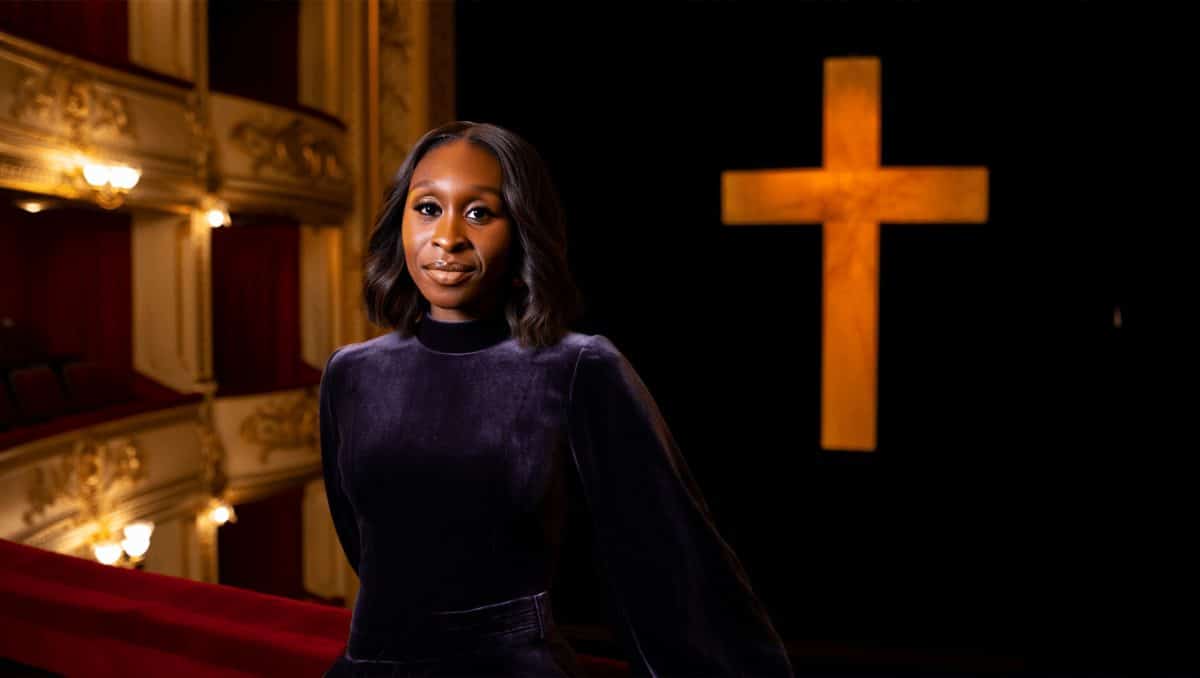
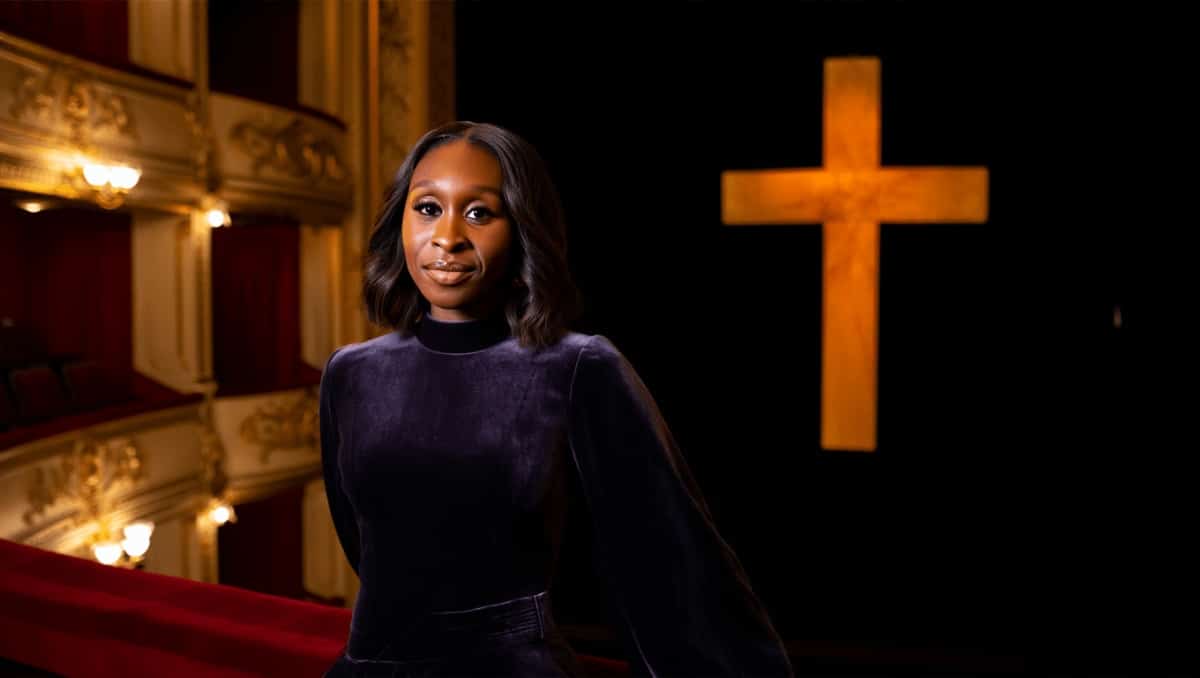
Cynthia Erivo arrives in London this week as the focal point of a technically daring revival of Bram Stoker’s Dracula, a production that rethinks stagecraft for a screen-saturated era. Under Kip Williams’s direction, the piece blends live performance with filmed sequences to create a show that feels both cinematic and intensely immediate — and it matters now because it signals how mainstream theatre is adapting to compete for attention in a multimedia age.
Williams, who first drew global notice with his hybrid staging of The Picture of Dorian Gray — a transfer that helped secure awards for its lead — returns to the Gothic with a third project in his loose trilogy. This Dracula does not retell the novel so much as remap it for an audience accustomed to split screens, tight close-ups and seamless editing.
One actor, many faces
The most striking choice is casting one performer to populate almost the entire dramatis personae. Erivo inhabits more than twenty roles: from the naïve solicitor on a Transylvanian errand to the predatory Count, from entranced brides to a ragged Renfield and a wizened Van Helsing. The effect is not novelty for novelty’s sake — it becomes a storytelling device that ties characters together thematically, making the play feel like an examination of desire, identity and projection as much as a horror story.
Cynthia Erivo anchors ‘Dracula’ theater review in Gothic ‘Cine-Theater’ showcase
Rachel Zegler refuses to assimilate after Snow White backlash, here’s why
On stage, the mechanics are sparing: a mostly bare playing area, a single large horizontal screen at the rear, and a discreet crew dressed in black who operate cameras, wigs, props and lighting in full view. At times they are invisible; at others their movements are part of the choreography. Cameras hover and descend, sending close-ups and live inserts to the screen so a single actor can convincingly address other versions of herself, whether present in the room or only visible as pre-recorded footage.
The technical approach has evolved since Williams’s earlier work. Where previous experiments leaned on playful social-media aesthetics, this staging is subtler: fewer visual gags, cleaner editing, and a more fluid integration of live and filmed material. The result reads as mature craft rather than gimmickry.
How the story is reshaped
The adaptation keeps the novel’s shifting viewpoints and epistolary rhythm, using the camera to move the narrative between perspectives. Jonathan Harker’s trip to the castle functions as an extended opening sequence, reimagined with an often comic but always unnerving tone that makes the castle feel like a character in itself. In contrast, the England scenes expand the cast of personalities Erivo performs, teasing out the intersections of repression, longing and possession that run through Stoker’s text.
Dracula here is not the caricature of earlier film portrayals. The Count comes across as compelling rather than grotesque — elegant, seductive, and unsettlingly intimate. That ambiguity strengthens the play’s central idea: looking at Dracula is, in a sense, looking at a reflection of latent desire in others. Mirror motifs and the absence of reflection are used not as simple shocks but as ways to suggest inwardness and projection.
When Erivo sings — a spare, trance-like refrain asking an unnamed figure to “come” — the moment crystallizes the production’s tonal balance: seductive, melancholic, and oddly compassionate. It’s one of the show’s few purely emotional beats amid a web of technical ingenuity.
Production highlights and practical info
- Title: Dracula (adapted by Kip Williams from Bram Stoker)
- Lead performer: Cynthia Erivo — multi-role performance across stage and screen
- Director / Adapter: Kip Williams
- Venue: Noël Coward Theatre, London
- Creative team: Marg Horwell (set & costumes), Nick Schlieper (lighting), Clemence Williams (music), Jessica Dunn (sound), Craig Wilkinson (video)
- Presented by: Sydney Theatre Company with international partners
The production values are consistently impressive: luxuriant period costumes, an expressionistic cemetery space, and a rotating set that, combined with lighting and sound, can turn a storm into a physical sensation. Video work frames scenes widescreen and in montage, while moments of simple stagecraft — a sofa materializing, a letter appearing in a hand — still feel magical despite the high-tech context.
For audiences, the show offers two immediate payoffs. First, it is an actor’s showcase: Erivo’s range — vocal, physical and comic — anchors even the most elaborate technical gambits. Second, it functions as a test case for a theatrical language increasingly at ease with cinematic tools: close-ups, editing rhythms and layered imagery that invite concentrated looking.
Why this matters
In an era when live theatre competes with streaming, social media and immersive entertainment, Williams’s Dracula proposes a hybrid answer: keep the live immediacy and communal risk of theatre, but borrow film’s capacity for intimacy and montage. If the production points the way forward, it does so without losing sight of theatrical essentials — actors on a stage making human choices.
Whether this approach becomes a mainstream model or remains a compelling experiment depends on cost, touring logistics and whether audiences embrace slow-burning, technically complex stagings at scale. For now, the show is a bold reimagining of a familiar story and a vivid demonstration of how classical material can be refreshed for contemporary viewers.
Venue and ticketing details are available from the Noël Coward box office and the presenting companies’ official sites.