Show summary Hide summary
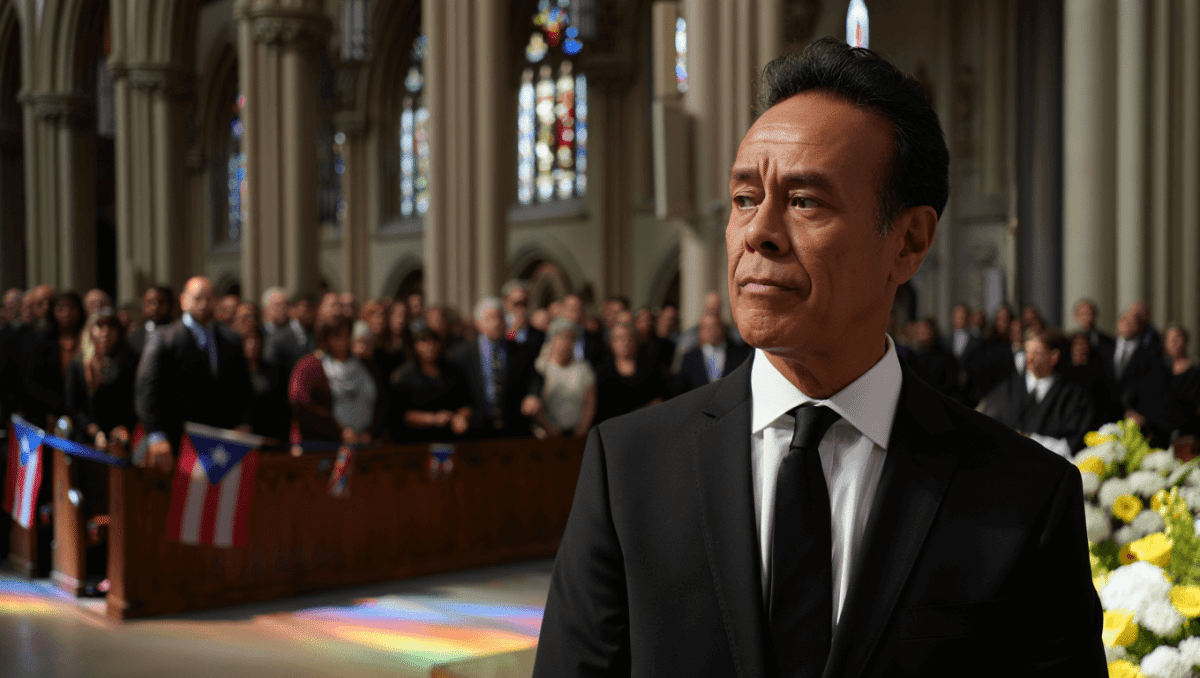
Willie Colón, the Bronx-born salsa legend and pioneering trombonist, was finally laid to rest. The Grammy-nominated architect of urban salsa died February 21 at age 75. His funeral at St. Patrick’s Cathedral on Monday, March 9, 2026, drew hundreds mourning a giant who shaped modern music.
🔥 Quick Facts
- Birth and Death: Born April 28, 1950 in New York’s South Bronx. Died February 21, 2026, aged 75.
- Career Milestone: Signed to Fania Records at 15; his debut album topped 300,000 copies sold worldwide.
- Legacy Albums: Produced over 40 albums selling 30 million copies, collaborating with Rubén Blades, Celia Cruz, and the Fania All-Stars.
- Awards Recognition: 10 Grammy nominations, special Grammy in 2004 for career contributions; Yale’s Chubb Fellowship same as JFK and Jesse Jackson.
The Legendary Trombonist Who Created Urban Salsa
Willie Colón didn’t just play the trombone. He redefined an entire genre. At age 11, he picked up a flute, then switched through trumpet before finding his voice on the trombone at 13. That choice changed everything. His fusion of jazz, rock, funk, and soul with Cuban son, mambo, and Puerto Rican jíbara created something revolutionary.
The South Bronx kid, raised by his grandmother and aunt, became a cultural icon. Fania Records signed him at 15, recognizing his gift. His first album shattered expectations, selling over 300,000 copies. This wasn’t just music; it was the voice of New York’s Latino community in the 1970s.
Willie Colón remembered at St. Patrick’s funeral, salsa legend laid to rest
Michelle Randolph holds hands with Glen Powell in NYC, romance heats up
The Albums and Collaborations That Defined a Generation
Colón’s discography reads like a hall of fame. Over 40 albums sold 30 million copies globally, earning him 10 Grammy nominations and a special Grammy in 2004. His masterpiece “Siembra” (1978) with Rubén Blades became a bestselling salsa album of all time, introducing the world to socially conscious Latin music.
His collaborations were legendary: Celia Cruz, the Fania All-Stars, David Byrne, and countless others. Songs like “El gran varón,” “Casanova,” and “Oh, qué será” became anthems. Every track was crafted with precision, every arrangement a masterclass in what happens when tradition meets innovation.
| Achievement | Details |
| Grammy Nominations | 10 Grammy, 1 Latin Grammy nominations |
| Career Albums | Over 40 albums, 30 million copies sold |
| Major Work | “Siembra” with Rubén Blades (1978), bestselling salsa album |
| Special Recognition | 2004 Grammy for lifetime contributions to music |
“He was a pioneer. He was a trailblazer. He was an architect of that music. He defined the sound for trombonists all over the world.”
— Frank Cohen, trombonist and fellow musician
Beyond Music: The Community Leader and Activist
Colón’s power extended far beyond the stage. He fought for civil rights, serving as special assistant to Mayor David Dinkins and later advising Mayor Michael Bloomberg. He founded or joined numerous organizations: the Hispanic Arts Association, Latino Commission on AIDS, Congressional Hispanic Caucus Institute.
In 1991, Yale University awarded him the Chubb Fellowship, the same honor given to John F. Kennedy, Jesse Jackson, and Ronald Reagan. Though he ran for public office in 1994 and 2001 without winning, his impact as a voice for the voiceless never diminished.
A Funeral Fit for Royalty: St. Patrick’s Cathedral Remembers
On Monday morning, March 9, 2026, St. Patrick’s Cathedral overflowed with mourners. Hundreds came to honor Willie Colón, from devoted fans to fellow musicians who’d played alongside him for decades. His four sons delivered eulogies, with Diego saying: “Everyone knows Willie ‘El Malo,’ Willie El Salsero, Willie the composer, even Willie the sheriff, but to us he was Papa.”
A marching band of trombonists serenaded his casket. Dozens of trombones echoed through Manhattan’s streets. Ozzie Melendez, who played with Colón for 35 years, called it “an incredible learning experience.” His wife of 49 years, Julia Colón Craig, sat among their four sons, six grandchildren, and sister.
Watch the Funeral

Why Does Willie Colón’s Death Matter So Much Today?
Willie Colón wasn’t just a musician; he was the architect of New York’s urban salsa sound. Without him, the Latin music revolution of the 1970s looks completely different. He proved that salsa music could be commercially successful while staying socially conscious. He showed that being from the Bronx didn’t limit your impact; it amplified it.
His death on February 21 left a void in music and activism. But his legacy endures through countless musicians inspired by his sound, activists following his path, and fans worldwide still dancing to his songs. The question now: who will carry forward his vision of music as medicine and protest?
Sources
- NBC New York – Comprehensive retrospective on Colón’s life, career achievements, and funeral coverage
- Spectrum News NY1 – St. Patrick’s Cathedral funeral details and family tributes from March 9, 2026
- Billboard – Final farewell coverage and recognition of Colón’s impact on Latin music industry