Show summary Hide summary
The Dinosaurs just arrived on Netflix with Morgan Freeman delivering the narration. The four-part documentary series, produced by Steven Spielberg, examines 165 million years of prehistoric history with breathtaking visual effects. This stunning new docuseries is being called one of the greatest dinosaur documentaries ever made.
🔥 Quick Facts
- Release Date: March 6, 2026 on Netflix, now streaming
- Episodes: 4-part documentary series with episodes covering Rise, Conquest, Empire, and Fall
- Narration: Award-winning actor Morgan Freeman guides viewers through 235 million years of dinosaur evolution
- Production: Executive produced by Steven Spielberg with visual effects by Industrial Light and Magic
Freeman’s Iconic Voice Takes You Back in Time
Morgan Freeman‘s legendary narration is the heart of this documentary. His gravelly, soothing delivery transforms prehistoric chaos into an epic tale. The Guardian notes his voice is so calming you could use the audio as a relaxation soundtrack. Freeman’s gift for building tension mirrors the dinosaurs’ own battle for survival across ages.
The Academy Award winner previously narrated nature documentaries like Life on Our Planet and Our Universe. Here, he brings his signature grandeur to explosive action sequences. When he intones “Asteroid,” the word feels like doom itself descending from the sky.
Page Six breaks Nicole Kidman’s Keith Urban divorce exclusive
Injury lawyers face AI-driven changes as tech reshapes 2025 legal landscape
Spectacular CGI Brings Prehistory to Vivid Life
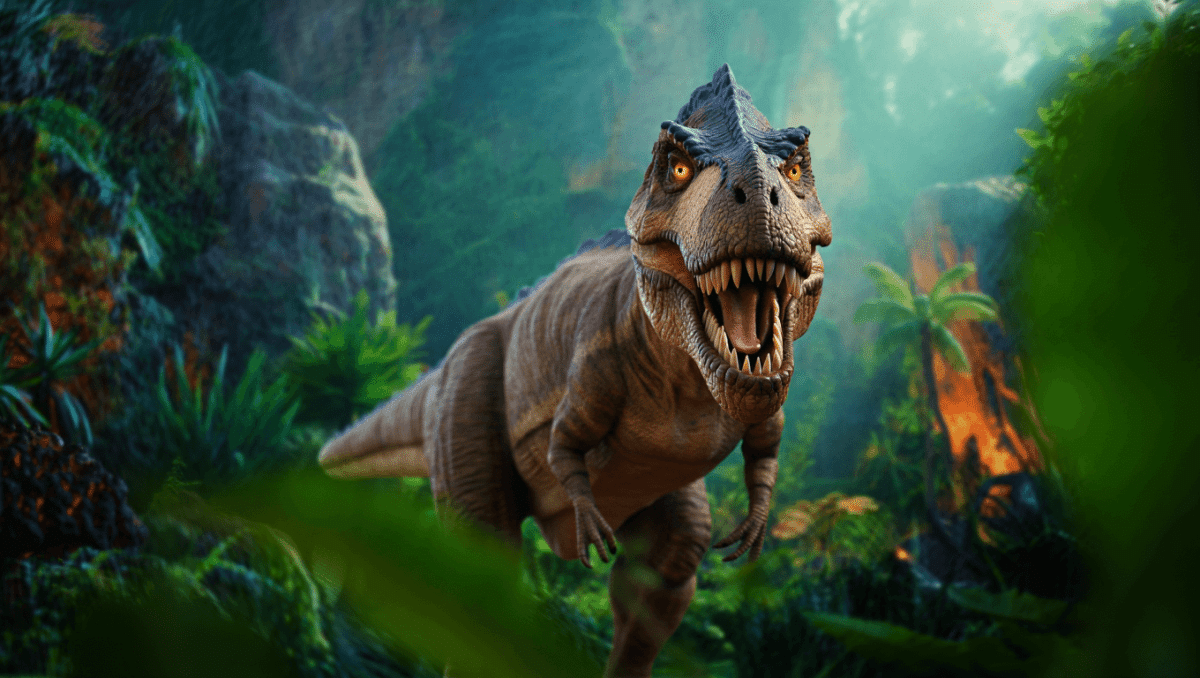
Industrial Light and Magic, the legendary visual effects studio, brings photorealistic dinosaurs to screen. Every scale, muscle, and movement looks as if filmed from Earth’s actual distant past. The environments range from massive supercontinent Pangea to lush tropical jungles filled with fierce predators and vulnerable prey.
Reviewers praise the attention to detail on dinosaur anatomy and ecosystem design. The series shows 100+ species across four episodes, from tiny proto-dinosaurs like Marasuchus to colossal beasts like Spinosaurus. Each scene crackles with energy and danger.
The Evolution Epic Spans 165 Million Years
The documentary opens 235 million years ago on the vast supercontinent Pangea. A tiny creature called Marasuchus with two legs, advanced lungs, and warm blood emerges as the blueprint for dinosaur empire. Episode one shows how dinosaurs outcompeted other reptiles during the Triassic period.
| Episode | Time Period | Key Focus |
| Rise | 235 million years ago (Triassic) | Dinosaurs emerge and outcompete reptiles |
| Conquest | 201 million years ago (Jurassic) | Dinosaurs diversify and dominate all environments |
| Empire | 125 million years ago (Cretaceous) | Climate chaos forces species to adapt |
| Fall | 72 million years ago to extinction | Rise and fall of T-rex, then catastrophic asteroid |
Episode two covers the Jurassic period when dinosaurs diversify and rule new ecosystems. Stegosaurus, Dilophosaurus, and other iconic species evolve specialized features for survival. The Cretaceous period in episode three shows Yutyrannus, Spinosaurus, and terrifying flying predators adapting to even harsher climates.
“The dinosaur story was absolutely one of them. With The Dinosaurs, we finally get to tell that story in full and celebrate it like no one has ever done before.”
— Dan Tapster, Showrunner
Perfect Rotten Tomatoes Scores and Critical Praise
The series has earned a perfect Rotten Tomatoes rating from critics. Reviewers call it “spectacular,” “stunning,” and “visually evocative.” Decider gives it a “Stream It” verdict, praising the solid narrative arc. The Guardian highlights the documentary’s ability to make evolution feel like an epic saga.
Parents appreciate that the series is both educational and entertaining. However, some predation scenes with gore and violence may frighten children under 6 years old. The documentary unflinchingly shows the harsh realities of prehistoric survival, from hunting to extinction.
Why Fans Are Watching The Dinosaurs Right Now
Audiences flock to this series for three compelling reasons. First, Spielberg’s involvement as executive producer guarantees world-class production values. Second, Freeman’s voice elevates every scene into cinematic grandeur. Third, the sheer scale feels unlike anything television has attempted before.
The series expands on Life on Our Planet, which tackled entire life history in 8 episodes. Here, the dinosaur story gets 4 full episodes to breathe and expand. Fans of nature documentaries, prehistoric mysteries, and epic storytelling are already streaming all four parts. What happens when a colossal asteroid races toward Earth in the final episode.