Show summary Hide summary
Country Joe McDonald, the legendary Woodstock icon whose unforgettable anti-war anthem defined the 1960s peace movement, died yesterday from Parkinson’s disease. The psychedelic rock pioneer was 84 years old.
🔥 Quick Facts
- Death date: Saturday, March 7, 2026 in Berkeley, California
- Cause: Complications from Parkinson’s disease
- Iconic song: “I-Feel-Like-I’m-Fixin’-to-Die Rag” (1965 protest anthem)
- Legacy: Co-founder of Country Joe and the Fish, performed at Woodstock 1969
The Man Behind the Anti-War Anthem
Joseph Allen McDonald was born on January 1, 1942, in Washington, D.C. His parents were members of the Communist Party who named him after Joseph Stalin. He grew up in Southern California but later moved to Berkeley, becoming a central figure in the city’s thriving 1960s counterculture scene. In 1965, he co-founded Country Joe and the Fish with guitarist Barry “The Fish” Melton, launching a band that would help define psychedelic rock.
McDonald’s early career involvement in the Free Speech Movement and anti-Vietnam War demonstrations shaped his artistic vision. He began writing protest songs with sharp political bite, channeling his activism into music that would inspire millions of listeners globally and across generations.
Jennifer Runyon, Ghostbusters actress, dead at 65 after long illness
Academy Awards 2026 airs this Sunday with Conan O’Brien hosting
Woodstock’s Most Iconic Moment
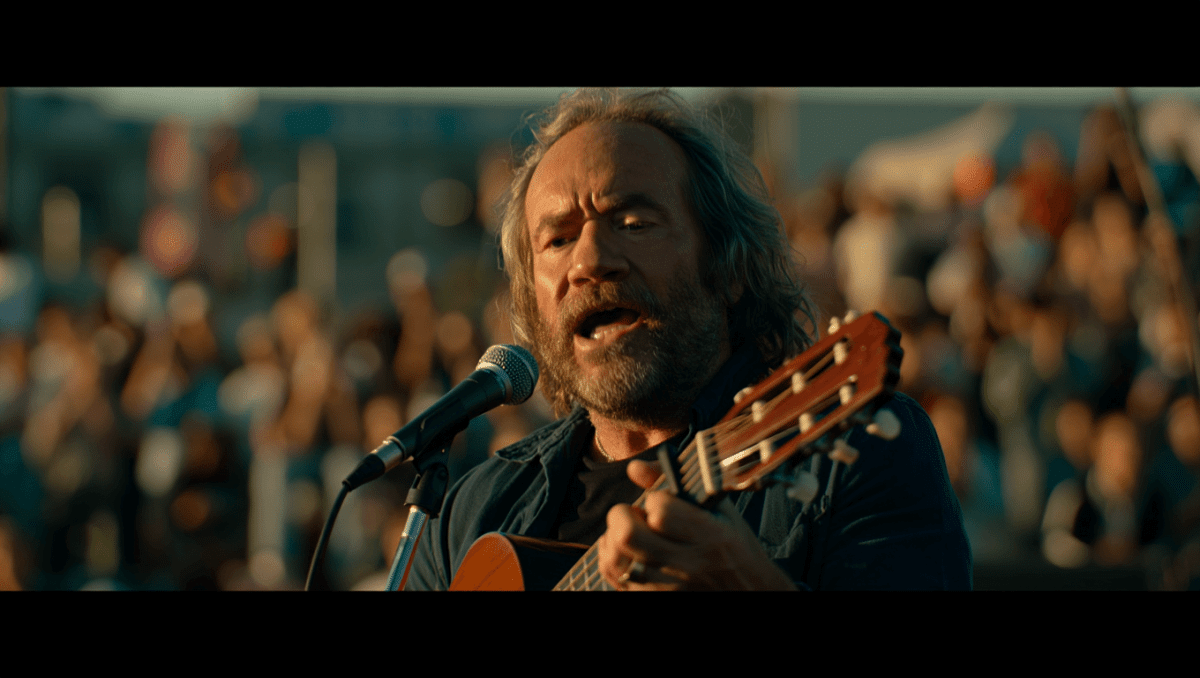
On a muddy August afternoon in 1969, Country Joe McDonald walked onto the Woodstock stage alone and delivered what many consider the festival’s most memorable performance. He led an estimated 400,000 people in his notorious “Fish Cheer”, a call-and-response routine that ignited the crowd before launching into his satirical masterpiece.
The song’s familiar chorus, “One, two, three, what are we fighting for?”, became an anthem for the entire anti-war generation. McDonald told the San Francisco Chronicle in 2015 that the song empowered people: “My song was heard by people in Vietnam and validated that they weren’t crazy. If you have a group of people that have the same feeling, they get empowered by the music.”
The Legacy of “I-Feel-Like-I’m-Fixin’-to-Die Rag”
Written in just 20 minutes for an anti-war play, this 1965 protest song became one of the most recognized anti-Vietnam War songs ever recorded. The track satirized the government’s marketing of warfare with dark humor and irreverent rock energy. McDonald credited the song’s creation to his desire to express how soldiers had no choice but follow orders, delivered with the attitude of early punk rock.
| Element | Details |
| Song Title | “I-Feel-Like-I’m-Fixin’-to-Die Rag” |
| Written | 1965, in approximately 20 minutes |
| Artist | Country Joe and the Fish |
| Most Famous Performance | Woodstock Festival, August 16, 1969 |
The band’s breakthrough debut album, “Electric Music for the Mind and Body,” arrived in May 1967 and spent 38 weeks on the Billboard charts. Their second album, “I-Feel-Like-I’m-Fixin’-to-Die,” cemented their status as essential voices of the protest movement during one of America’s most turbulent decades.
“I came to the Bay Area and it became home. It created magically me into Country Joe.”
— Country Joe McDonald, reflecting on his Berkeley roots in 2007
A Life Beyond One Hit Song
McDonald recorded 33 albums and wrote hundreds of songs across a six-decade career that extended far beyond his signature anti-war composition. He released solo albums like “Thinking of Woody Guthrie” (1969), which established him as an important interpreter of folk music. His 1986 album “Vietnam Experience” revisited the conflict that first brought him national prominence.
Throughout his life, McDonald remained a passionate advocate for Vietnam veterans. He led efforts to create the Vietnam Veterans Memorial in Berkeley and appeared at benefit concerts, GI coffeehouses, and commemorative events across the country. In 2016, he participated in the Vietnam War Summit at the LBJ Library alongside figures like former Secretary of State John Kerry and filmmaker Ken Burns.
What Makes Country Joe McDonald’s Voice Still Matter Today?
At a time when political protest seemed futile to many, McDonald proved that music could give voice to dissent and unite people around shared values. His artistic commitment to social causes inspired generations of musicians to use their platforms for activism. Even in his later years, he questioned whether protest music retained its power in an era of constant cynicism and divisive rhetoric.
Country Joe McDonald is survived by his wife Kathy, whom he married 43 years ago, along with five children, four grandchildren, and his brother. His influence on popular music, activism, and the counterculture movement will endure as long as people seek truth through art. The muddy field at Woodstock, and that singular voice calling out for peace, remains frozen in time as a testament to one man’s fight for change.
Sources
- San Francisco Chronicle – Comprehensive obituary of Country Joe McDonald’s life and career impact
- The New York Times – Details on his Woodstock performance and anti-war legacy
- Wikipedia – Extensive biography covering his 60-year career and five studio decades