Show summary Hide summary
CBS Sunday Morning just aired a stunning tribute to Apple’s 50-year journey, featuring exclusive interviews with Tim Cook, co-founder Steve Wozniak, and industry legends. The special report reveals how two garage entrepreneurs transformed the world from a 1976 circuit board to a company worth nearly $3 trillion today. This is the inside story of innovation, turnaround, and the vision that changed everything.
🔥 Quick Facts
- 2.5 billion people own Apple products, bigger than China’s entire population
- April 1, 2026 marks Apple’s official 50th anniversary milestone
- 1,600% stock increase since Tim Cook became CEO in 2011
- $100 billion annually from services like Apple Pay, Apple Music, and Apple TV
From Garage Dream to Global Icon: The Steve Jobs Era
Steve Wozniak and Steve Jobs met on a sidewalk near Cupertino, California in 1971. Woz built circuits, Jobs envisioned empire. Their first computer sold 150 units, but the revolutionary Apple II sold six million, changing personal computing forever. Jobs said, “We didn’t foresee the future, but we took a step forward ahead of others.”
The 1984 Macintosh with its mouse and friendly graphics was Jobs’s passion project. But after a bitter power struggle, he left Apple for 11 years. The company became lost. “It was bleak,” said Tim Cook. “We had very little cash and lost our way.” Apple nearly died.
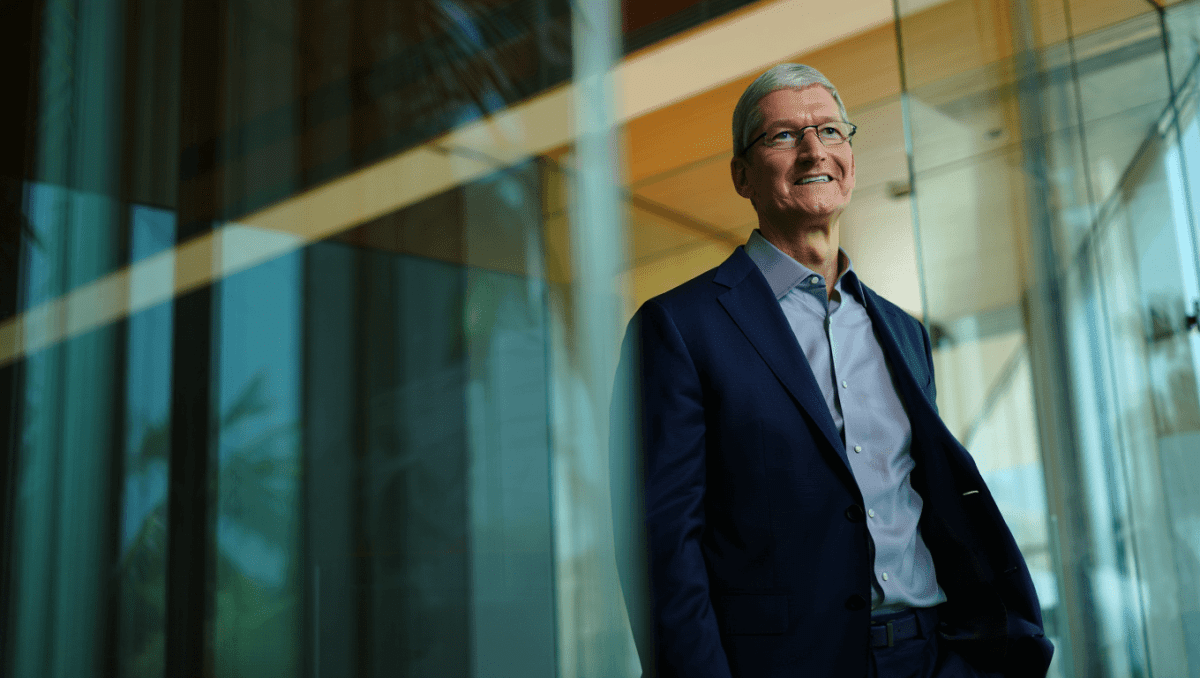
CBS Sunday Morning features Apple’s 50-year journey with Tim Cook
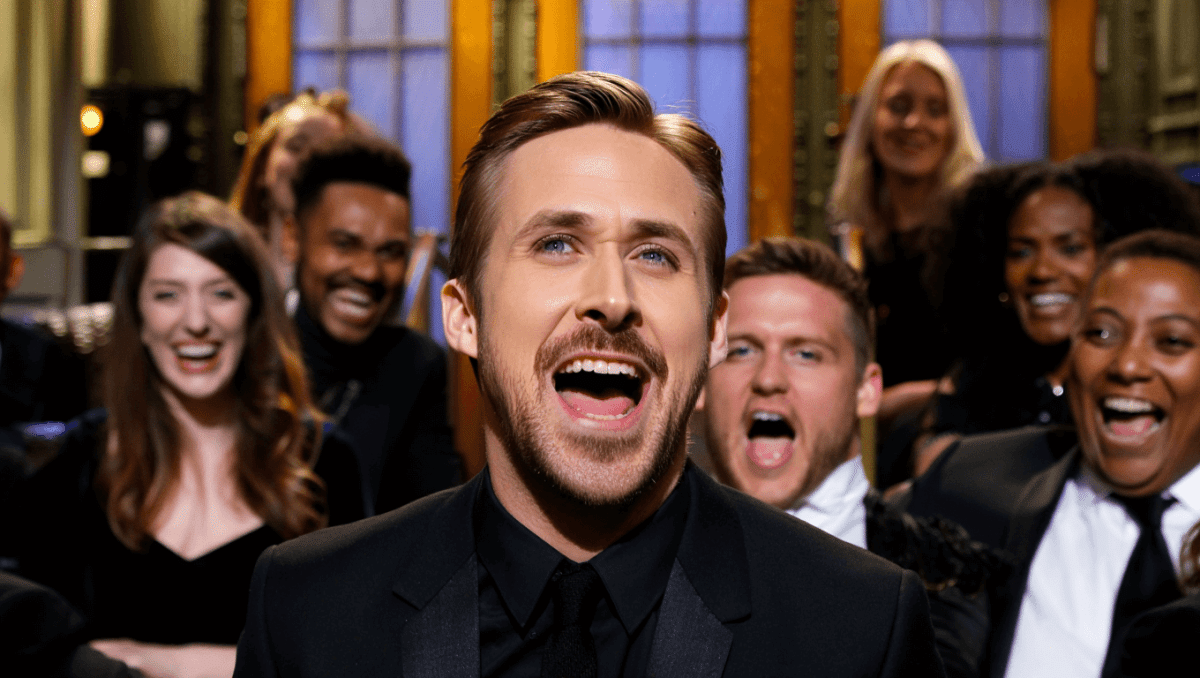
SNL cold open skewers Pete Hegseth and Kristi Noem over Iran
The Miraculous Turnaround: When Steve Returned
Jobs returned in 1997 and hired Tim Cook as head of operations, calling him “a once-in-a-thousand-years kind of person.” Jobs slashed 70 Mac models down to just 4. He fired the board. He restructured everything. According to Jon Rubinstein, “We basically completely restructured the company.”
Then came the magic. Jobs and designer Jony Ive obsessed over every detail. The translucent iMac became the bestselling computer in history. The iTunes Store revolutionized music. The iPod sold hundreds of millions of units. These products weren’t just successful, they were cultural earthquakes.
The iPhone Changed Everything: One Moment That Reshaped the World
In 2007, Jobs announced something revolutionary on stage: “I just take my finger, and scroll.” Nobody had ever touched their data before. The iPhone combined three devices, and it destroyed every competitor instantly. It became our camera, TV, newspaper, and game console all at once.
The iPhone did more than sell billions. It created entire industries. Uber, Airbnb, DoorDash, Venmo, and Tinder exist because of what the iPhone made possible. Social media exploded with it, raising new questions about screen time and mental health. Paola Antonelli, curator at the Metropolitan Museum of Modern Art, said Apple’s design philosophy earned it dozens of pieces in MoMA’s collection.
| Product | Year Launched | Impact |
| Macintosh | 1984 | First user-friendly personal computer |
| iMac | 1998 | Best-selling computer in history |
| iPod | 2001 | Hundreds of millions sold |
| iPhone | 2007 | Changed the entire world |
“Ideas about building something insanely great was there in the early days. You say no to a thousand things, to say yes to the one that’s truly important. When you do something, you should do it at an excellence level where good isn’t good enough.”
— Tim Cook, Apple CEO
The Tim Cook Era: From Turnaround to Trillion Dollar Company
Steve Jobs died in 2011 after asking Cook to “never ask what I would do. Just do the right thing.” Cook took over and transformed Apple again. He tripled the company in size, pushed sustainability, expanded inclusivity, and bet everything on services. Today, Apple Pay, Apple TV+, Apple Music, and iCloud generate over $100 billion annually.
Since Cook took the helm, Apple’s stock is up 1,600 percent. The company went from nearly bankrupt in 1997 to the world’s most valuable business. When Jobs returned, he told executives, “Let’s save the company.” Cook made that vision permanent.
What Challenges Will Apple Face in the Next 50 Years?
Apple now faces real challenges. Manufacturing depends heavily on China, creating geopolitical risk. Presidential tariffs could disrupt supply chains. Critics say Apple is lagging in artificial intelligence compared to competitors. The company that invented the future must now prove it can innovate in AI and emerging technologies.
But Steve Wozniak remains confident. “Apple’s reputation is sprung from the culture. I still admire Apple the most of all tech companies.” Cook agrees these core values, dating back to Jobs and Wozniak’s garage days, will carry the company forward into whatever comes next.
Watch the Extended Interview:

Sources
- CBS News Sunday Morning – Official Apple 50th Anniversary feature aired March 8, 2026
- David Pogue – Author of “Apple: The First 50 Years,” published by Simon & Schuster March 10, 2026
- Metropolitan Museum of Modern Art – MoMA’s design collection curator Paola Antonelli on Apple’s cultural impact