Show summary Hide summary
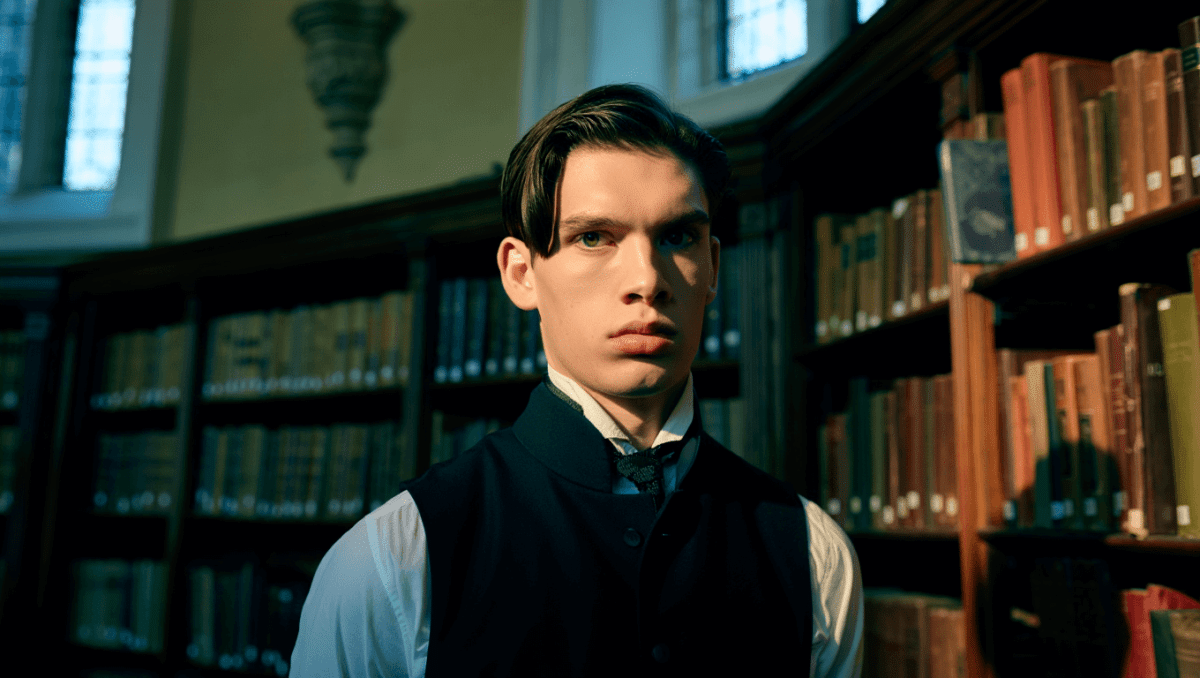
Young Sherlock Holmes 2026 just arrived on Prime Video March 4, and critics are shocked it barely resembles the legendary detective. From Guy Ritchie‘s bare-knuckle action sequences to missing deductive reasoning, this 19-year-old Sherlock dismisses everything fans love about Arthur Conan Doyle’s iconic character. Reviewers say the series is hardly recognizable.
🔥 Quick Facts
- Release Date: March 4, 2026 on Prime Video with 8 episodes available immediately
- Lead Actor: Hero Fiennes Tiffin, age 28, plays young Sherlock at age 19
- Creator: Guy Ritchie directs and develops, focusing heavily on action over intellect
- Critical Reception: Multiple sources cite missing detective elements and weakly written subplots
Missing Sherlock’s Core DNA Entirely
Critics argue Young Sherlock Holmes 2026 abandons the character’s defining traits. Slate magazine writer Laura Miller noted that Doyle’s detective relied on emotional detachment and deductive wizardry. This Guy Ritchie version replaces cerebral mystery-solving with fistfights every 15 minutes. The show focuses on fisticuffs rather than forensics, undermining the Sherlock Holmes brand entirely. Instead of examining clues logically, characters punch their way through solutions.
Ritchie’s aesthetic prioritizes action sequences set to modern indie soundtracks over Victorian detective work. In one scene, 13 semi-full glasses on a table supposedly map to Oxford bell towers, proving the logic makes zero sense. The series treats detection like an Indiana Jones adventure, chasing Chinese princesses and global conspiracies rather than investigating actual crimes with intelligence.
Chuck Norris hospitalized after medical emergency in Hawaii, 86-year-old in good spirits
Tyler Perry sells BET+ stake to Paramount, service folds into main streamer
A Weak Ensemble Cast in Poorly Written Roles
Hero Fiennes Tiffin, nephew of Ralph Fiennes, misses the mark as young Sherlock. Roger Ebert’s critic noted the 28-year-old actor performs like he’s looming in scenes rather than living them. His portrayal lacks the agility Benedict Cumberbatch brought to television’s Sherlock. Max Irons seems wooden as brother Mycroft, and neither actor truly passes for someone in their late teens.
Dónal Finn plays James Moriarty, the character destined to become Sherlock’s archenemy. Yet his portrayal feels annoying and unsuited to the role. Without Dr. Watson providing contrast, Moriarty becomes Sherlock, only louder. Even seasoned actors like Colin Firth and Natascha McElhone struggle with weak writing. The dialogue drags or rushes without breathing space, making emotional moments feel hollow.
A Bloated Eight-Episode Structure That Meanders
| Element | Description |
| Setting | 1870s London, Oxford, Paris, Constantinople |
| Main Plot | Murder mystery involving Chinese princess and academic conspiracy |
| Subplots | Dead sister backstory, institutionalized mother, family trauma |
| Pacing Issue | Frenetic early episodes, bloated middle, rushed finale |
Eight episodes contain at least four different weakly written subplots, according to Roger Ebert’s review. The middle episodes abandon the main story entirely, focusing on Sherlock’s family instead. Mycroft gets Sherlock into Oxford as a mere servant, then the plot vanishes for 15 minutes. The show hops from setting to setting without developing characters meaningfully. A six-episode series or 100-minute film could have told this story without losing momentum.
“What makes a Sherlock Holmes story? Much as some fans insist upon the late-Victorian setting, to me the core elements are Holmes’ emotional detachment and deductive wizardry. You won’t find any of that in Young Sherlock.”
— Laura Miller, Culture Critic, Slate Magazine
The Series Salvages Itself in Final Episodes
Young Sherlock Holmes 2026 picks up momentum in episodes seven and eight, feeling more like Young Indiana Jones than detective fiction. The finale features globe-trotting twists and faster pacing. Yet critics agree the earlier slog makes recovery impossible. The Hollywood Reporter’s Daniel Fienberg suggested viewers might watch future seasons, though Sherlock remains unforgiven. The plot never develops Holmes’s brain meaningfully, leaving fans questioning any connection to Doyle’s original character.
Costume designer Jany Temime stands as the sole creative triumph, crafting stunning pinstripes, silks, and waistcoats that reveal character details. Her work shows how Princess Shou’an fits in while representing her culture distinctly. Otherwise, Young Sherlock squanders its eight-hour budget on action nobody asked for instead of intelligence Sherlock Holmes deserves.
Will Guy Ritchie Ever Make a Smart Sherlock Holmes Adaptation?
Guy Ritchie’s track record oscillates between fun and dumb. Lock, Stock and Two Smoking Barrels and The Gentlemen are entertaining. Swept Away and Aladdin were disasters. Young Sherlock Holmes 2026 leans heavily dumb. The filmmaker apparently wants to make Young James Bond, but 007 remains trademarked. Instead, Ritchie transforms public domain Sherlock into bare-knuckle action with zero detective work. Slate’s critic questioned why Ritchie assumes fans crave Sherlock learning to fight over Sherlock refining deductive reasoning. The answer suggests creative bankruptcy and IP misunderstanding at the highest level.
Future seasons may develop this Sherlock into something recognizable. For now, Young Sherlock Holmes 2026 represents a betrayal of 140 years of literary tradition. Fans seeking intelligent mystery-solving should revisit Cumberbatch’s Sherlock or Elementary’s approach instead. This adaptation dismisses everything that made Arthur Conan Doyle’s character legendary on arrival.
Sources
- Slate Magazine – Critical analysis of Guy Ritchie’s dismissal of core Sherlock Holmes detective elements and character authenticity
- Roger Ebert – Review noting weakly written subplots, casting mismatches, and pacing issues across eight episodes
- The Hollywood Reporter – Assessment of Young Sherlock’s dumb fun approach versus intelligent storytelling expectations