Show summary Hide summary
When this season’s SAG-AFTRA nominations were announced, the immediate reaction wasn’t just surprise — it was the same chorus of frustration repeating across social feeds and industry desks. The pattern of high-profile omissions in the actor categories matters beyond outrage: these nods help shape awards momentum, career trajectories and how studios allocate marketing dollars.
Across several cycles now, audiences and insiders have noticed a recurring script: a handful of memorable performances fail to land SAG nominations, and the conversation that follows looks suspiciously familiar. Understanding why that keeps happening clarifies both the limits of peer voting and what artists and studios can — and can’t — control in an awards year.
Why the same snub arguments resurface
The mechanics behind the perceived snubs are less mysterious than many think. First, the voting pool is composed of actors and performers inside the industry, which creates a different set of preferences than critics or the general public. A performance that connects strongly with viewers or reviewers may not register the same way with peer voters.
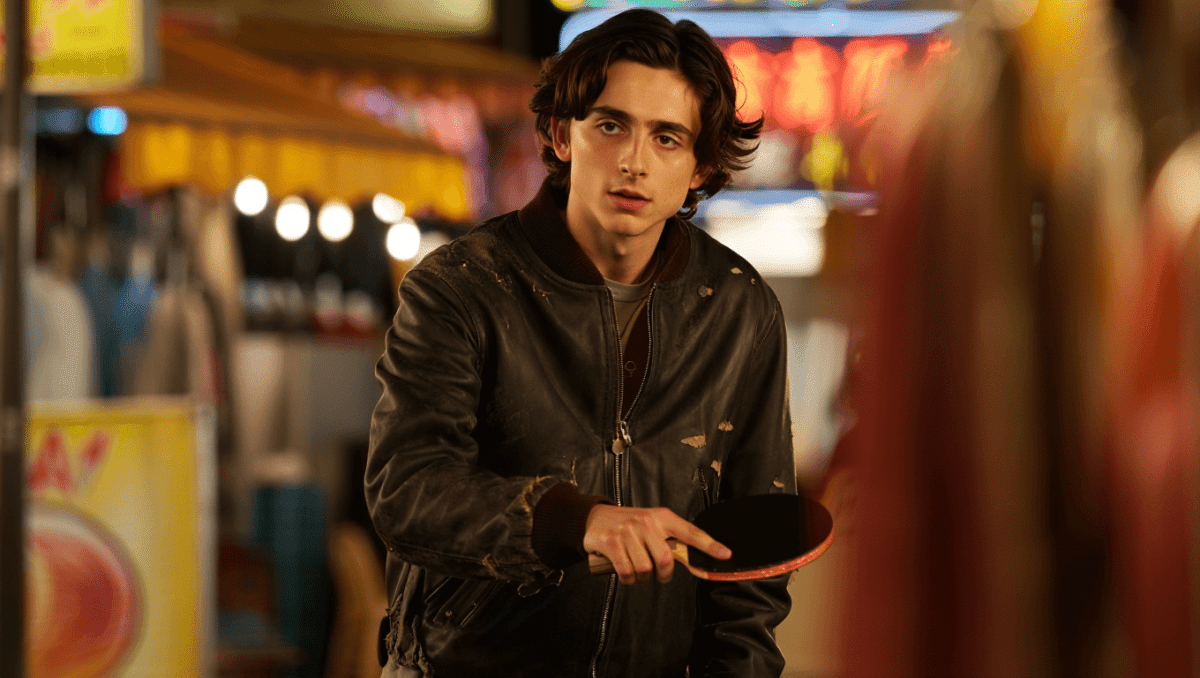
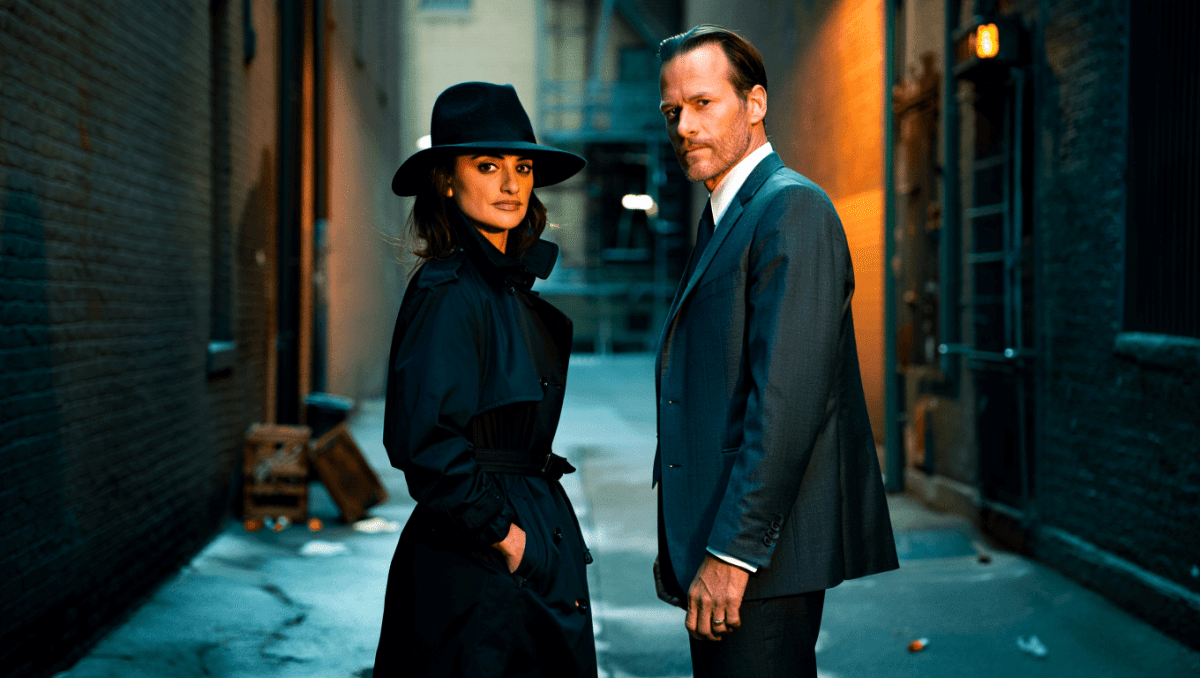
Actors left off SAG Award nominations: biggest snubs and why critics agree
Isaiah Thomas shows you can make a real comeback with the right team
Second, nomination slots are finite. Lead and supporting categories have strict limits, and strong fields force difficult trade-offs. When multiple celebrated turns come from the same film, only a portion can advance — sometimes leaving singular performances out of the running.
Campaigning also still matters. With condensed release calendars and budget-conscious studios, some films simply don’t get the sustained promotional push needed to stay top-of-mind among voters. That gap has grown more visible as streaming releases proliferate and the traditional theatrical publicity model fragments.
Common explanations cited by observers
- Voting demographics: Peers tend to reward craft choices they value — subtlety, technical difficulty, or professional reputation — which may not align with mainstream buzz.
- Category congestion: When several contenders cluster in one category, standout work can be squeezed out.
- Campaign reach: Limited campaigning or late-season releases can leave performances underexposed to voters.
- Platform bias: Some voters still distinguish between theatrical and streaming releases, affecting recognition for digital premieres.
- Strategic placement: Studios sometimes submit actors in categories that reduce their chances; a miscast category can cost a nomination.
Immediate consequences for awards season
Being left off the SAG ballot has practical implications. Because SAG is a peer group, its nominees and winners often inform Oscar campaigning and newsroom coverage. A snub can slow or redirect momentum, forcing studios to pivot their public relations strategy and donors of attention to other contenders.
For actors, the absence of a SAG nod is not career-ending, but it reduces visibility in a tightly watched window. That matters for future casting, salary negotiations and prestige projects that lean on awards recognition as shorthand for marketability.
What studios and performers can do next
Studios increasingly plan year-round visibility strategies rather than burst campaigns around nomination season. Emerging approaches include earlier festival premieres, targeted industry screenings, and investing in relationships with guild communities.
Actors and agents are also learning to manage category placement more carefully and to time releases so peer voters can see performances in context. Those tactical shifts may reduce the frequency of “obvious” snubs, but they can’t eliminate the structural limits of a competitive field.
Trends worth watching after the nominations
- Whether streaming-first releases continue to face uphill battles in actor recognition.
- If ensemble-driven films keep displacing individual nominations by concentrating votes.
- Whether changes in guild membership and demographics alter voting tastes over time.
Ultimately, the recurring chorus over SAG omissions reflects a simple tension between finite awards slots and expanding output: more high-quality performances are competing for the same honors. That fuels debate, but it also signals a robust creative field — and a shifting awards landscape that actors, studios and audiences are still learning to navigate.