Show summary Hide summary
The Bride isn’t what you’d expect from Maggie Gyllenhaal. This feminist reimagining of the Frankenstein legend subverts every rule from the 1935 classic. Instead of silencing the monster’s bride, Jessie Buckley‘s character Ida becomes the story’s fearless center.
🔥 Quick Facts
- Release Date: March 6, 2026, in theaters nationwide
- Director: Maggie Gyllenhaal writes and directs her audacious second feature film
- Setting: 1930s Chicago, where Frank arrives seeking a companion
- Rotten Tomatoes Score: 59 percent, signaling bold but divisive filmmaking
A Punk Fairy Tale with Teeth and Attitude
Maggie Gyllenhaal doesn’t want to embalm classic movie monsters in stately good taste. The director-screenwriter crafts The Bride as a scrappy, debauched love story that echoes everything from ‘Joker: Folie à Deux’ to ‘Thelma & Louise’. Her second feature after ‘The Lost Daughter’ reimagines the 1935 James Whale film by centering the voiceless title character. Now Ida gets to speak, rebel, and inspire revolution. The film runs 126 minutes of pure audacity.
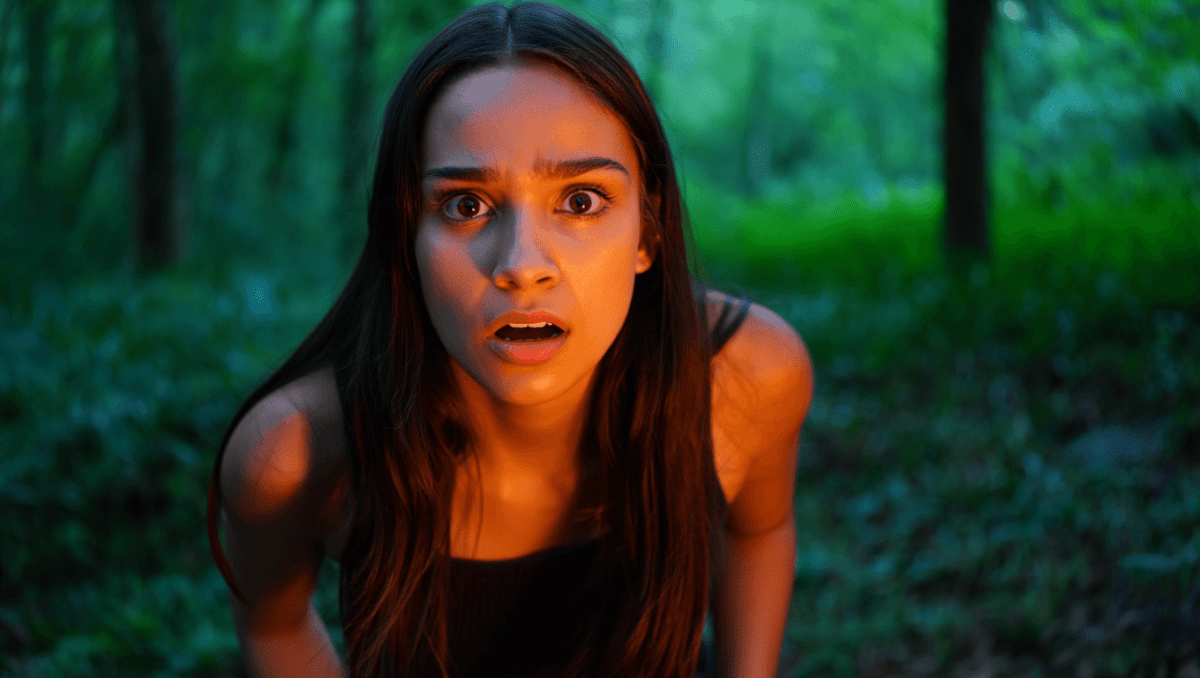
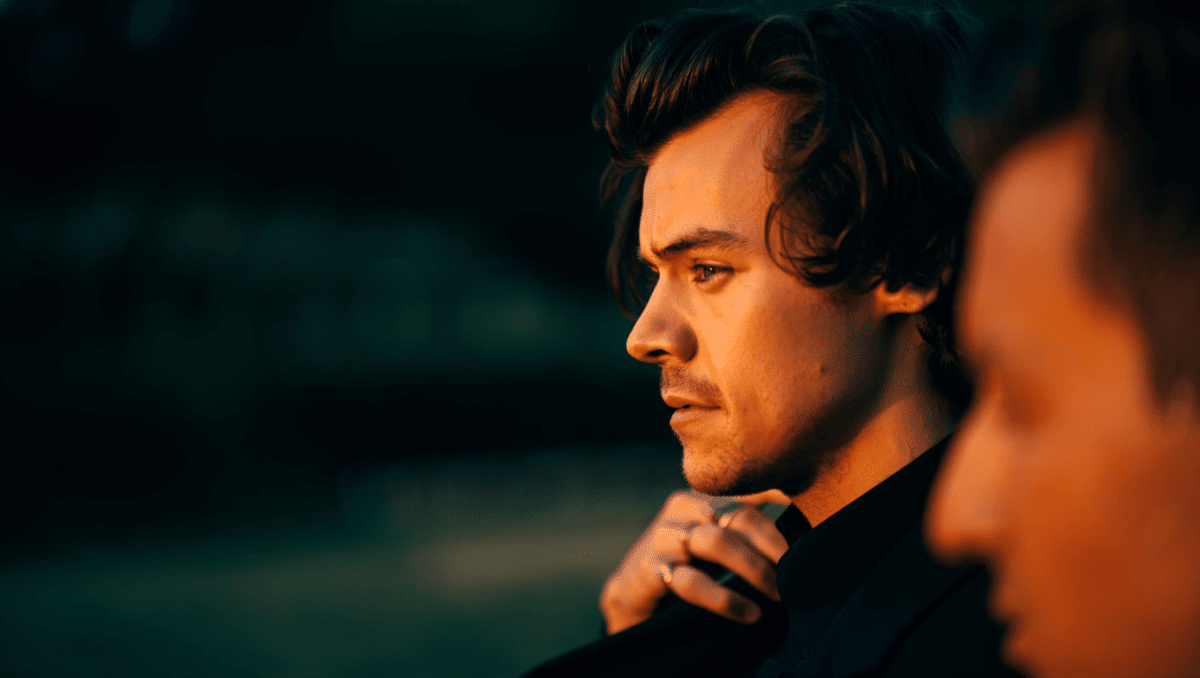
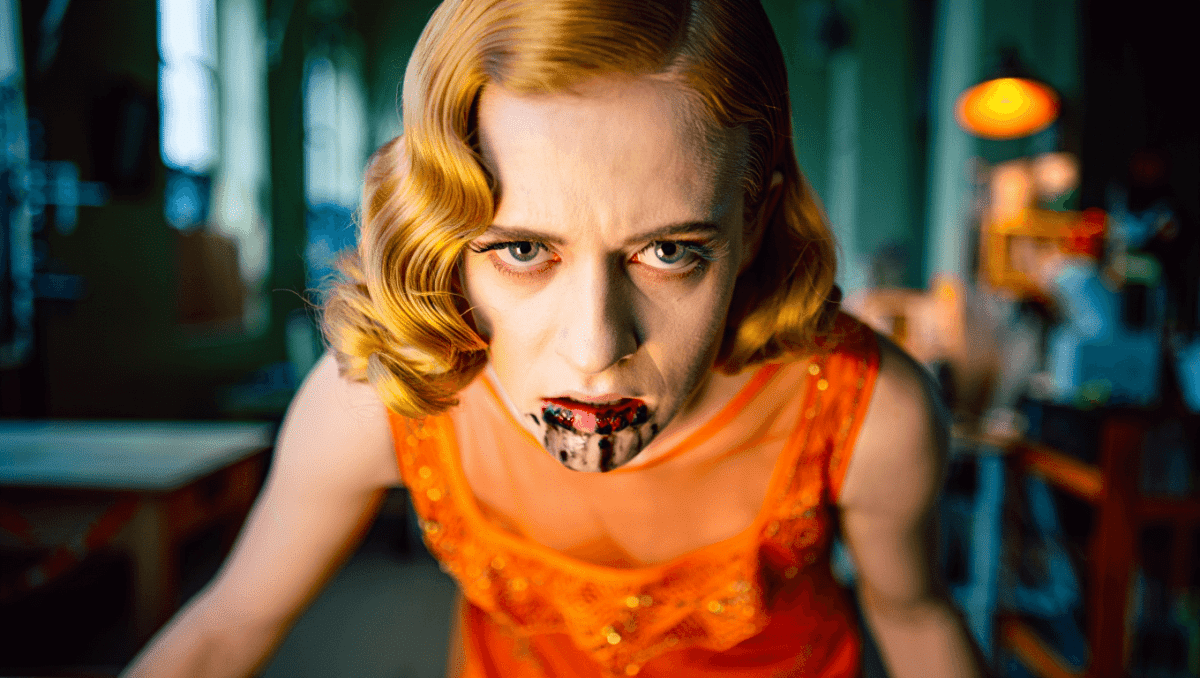
Unlike Elsa Lanchester‘s iconic but mute Bride, Buckley‘s version is a spaced-out rebel with an ever-shifting mind. She’s tragic yet untamed, innocent yet furious. Christian Bale‘s Frankenstein, called Frank, arrives in 1930s Chicago like a lonely wanderer seeking companionship. Together with mad scientist Dr. Euphronious, played by five-time Oscar nominee Annette Bening, they reanimate a murdered woman. The bride awakens with no memory of her identity, draped in a silk orange flapper dress and black chemical stains.
School Spirits awaits season 4 renewal as creators tease plans ahead
The Bride isn’t what you’d expect from Maggie Gyllenhaal
The Cast That Makes Monsters Magnetic
Jessie Buckley delivers a breakout performance that critics are calling ‘magnetic’ and ‘revelatory’. After earning an Oscar nomination for ‘Hamnet’, she plays the title character with raw schizoid fury. Buckley also appears as Mary Shelley in black-and-white framing segments, mirroring Elsa Lanchester’s dual role from 1935. This artistic choice deepens the film’s exploration of female creativity and voice.
Christian Bale transforms into Frank with a post-lobotomy voice and stitched humanity. His performance channels Willem Dafoe meets pure monster vulnerability. Supporting this unlikely duo is Annette Bening as the brilliant Dr. Euphronious, Peter Sarsgaard, Penélope Cruz, and Jake Gyllenhaal as a matinee idol obsessing Frank. The ensemble brings Gyllenhaal’s bold vision to vivid, unsettling life.
A Recipe for Revolution and Radical Love
| Detail | Information |
| Release Date | March 6, 2026 |
| Platform | Theatrical release, Warner Bros. |
| Cast | Jessie Buckley, Christian Bale, Annette Bening |
| Director | Maggie Gyllenhaal |
Frank and Ida become soulmates of damage in Gyllenhaal’s twisted narrative. When they encounter predatory goons, Frank kills to protect her. Suddenly they’re wanted criminals on the run across 1930s Chicago. The film transforms into an outlaws-in-love saga, complete with old-fashioned musical numbers like ‘Puttin’ on the Ritz’ that land with intoxicating snap.
Ida adopts a mantra from Herman Melville’s ‘Bartleby, the Scrivener’: ‘I would prefer not to’. She refuses conformity. She rejects patriarchal control. Her defiance spreads like wildfire, inspiring women everywhere to mark themselves with black-ink mouth tattoos, signifying sisterhood and revolution. The Bride becomes a feminist avenger sparking systemic change throughout the city.
Critics Divide Over Audacity Versus Execution
“It’s a scrappy punk feminist tragicomedy of l’amour fou, a renegade take-off on the ‘Frankenstein’ myth. And while the movie doesn’t quite work, there’s a spark of audacity to it. It’s alive in ways that del Toro’s ‘Frankenstein’ was not.”
— Owen Gleiberman, Chief Film Critic, Variety
Variety’s chief critic praises Gyllenhaal’s courage while noting the film’s uneven pacing. Critics celebrate Buckley and Bale’s committed performances but argue the narrative lacks storytelling spine. Rotten Tomatoes currently sits at 59 percent, with reviewers split between admiration for her ambition and frustration with her execution.
Smithsonian Magazine notes that Gyllenhaal was inspired by a tattoo of the original Bride character. She realized the 1935 film called ‘Bride of Frankenstein’ barely gave the Bride any screen time. Elsa Lanchester‘s iconic character appears for only five minutes, screams at Frank, and dies. Gyllenhaal asked herself, ‘Who is she?’ Her 2026 answer is radical, provocative, and unapologetically feminist.
Why This Monster Bride Refuses to Be Tamed
The Bride stands apart because it centers the silenced female voice so brutally overlooked in classic horror. Mary Shelley’s original novel allowed the creator to feel remorse, but the bride herself remained a footnote. Gyllenhaal corrects this erasure by letting Ida narrate her own becoming. She’s not a helpless victim reanimated for male desire. She’s a catalyst for chaos, joy, and liberation.
The film’s 126-minute runtime allows both monsters to breathe, grieve, love, and rage. Buckley’s performance fluctuates between Jean Harlow glamour and pure anarchic fury. Bale brings unexpected tenderness to Frank’s dim, damaged humanity. Together they create cinema’s most unlikely romance, transforming a Gothic tale into a punk rock rebellion. Gyllenhaal doesn’t promise a neat ending. She promises disruption, danger, and female agency reclaimed.
Sources
- Variety – Owen Gleiberman’s review praising audacity and magnetic performances from the cast
- Smithsonian Magazine – Mary Randolph’s analysis of Gyllenhaal’s feminist reimagining of Bride of Frankenstein
- Rotten Tomatoes – Critical consensus score and viewer reactions to the film’s release