Show summary Hide summary
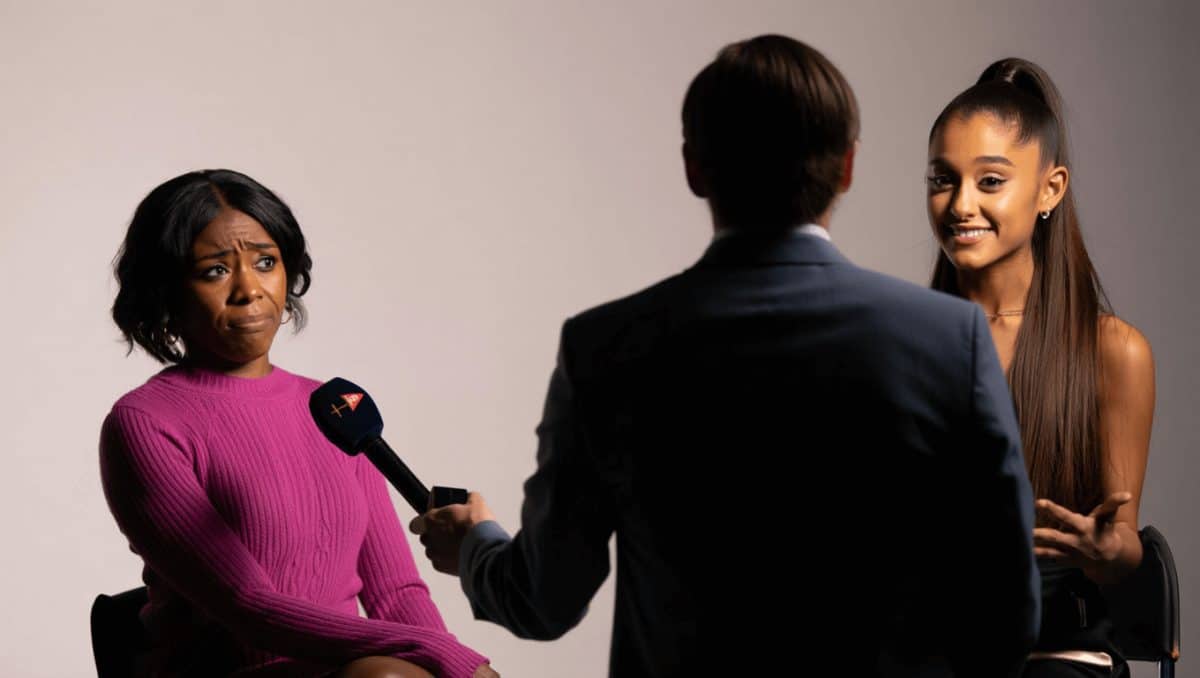
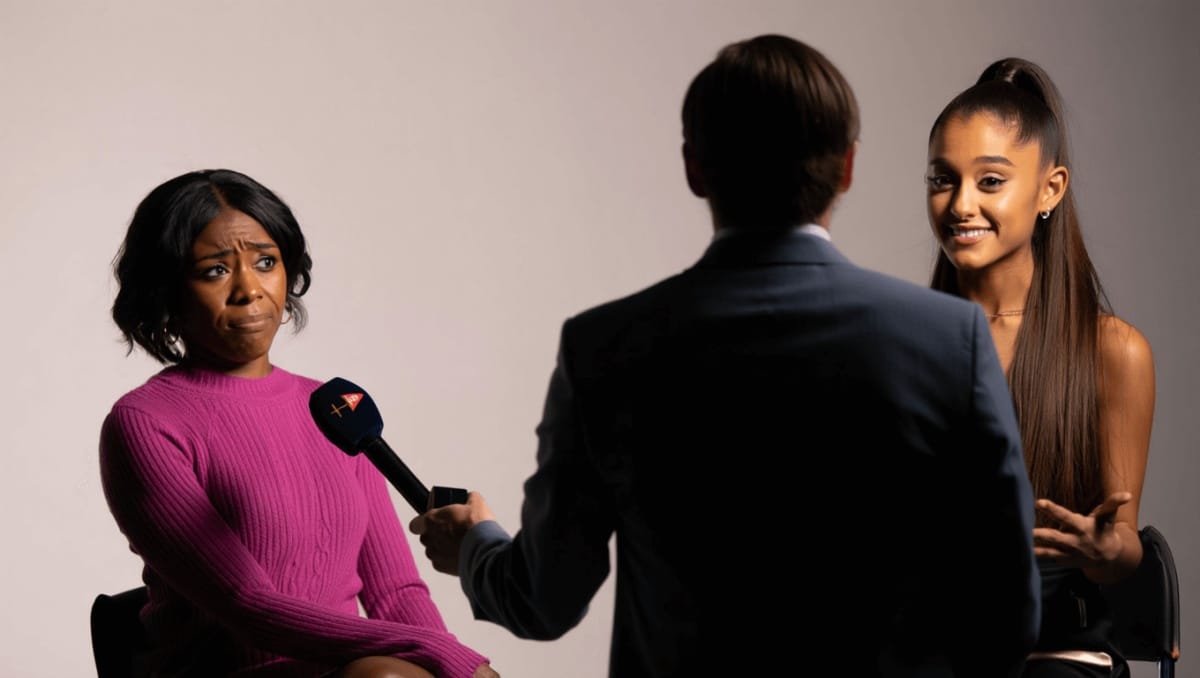
Footage circulating online shows comedian and actor Jessica Williams looking awkward after a reporter abruptly abandoned their conversation to greet pop star Ariana Grande. The short clip has prompted a broader discussion about priorities at public events and the etiquette expected of journalists on the beat.
Ariana Grande led reporter to cut Jessica Williams interview; Williams visibly uncomfortable; viral
Outside Lands reveals 2026 lineup with Charli XCX, The Strokes, Rüfüs Du Sol headlining August festival
The clip and the immediate reaction
In the video, what began as a routine interview ends when the reporter walks away to speak with Grande, leaving Williams to pause mid-answer. The expression on Williams’ face — a mix of surprise and discomfort — was captured clearly, and viewers quickly shared the moment across social platforms.
Short snippets like this tend to spread fast because they compress a complex social exchange into an easily consumable moment. People responded with a mix of amusement, sympathy and criticism, turning a minor on-site choice into a larger conversation about professionalism and respect.
Why the scene resonates beyond a single encounter
There are a few reasons this has struck a nerve. For one, it highlights how the visibility of major celebrities can reshape the behavior of media professionals in real time. For another, it spotlights how less prominent interview subjects may be sidelined, whether intentionally or out of habit.
Some commentators argued the reporter made a pragmatic decision to engage with a high-profile figure; others saw it as an avoidable lapse in courtesy. The incident illustrates a tension that often plays out at red carpets, press lines and festivals, where access and time are limited.
- Professionalism: Reporters are expected to manage multiple interactions without leaving an interviewee stranded.
- Perception: Audiences interpret on-camera behavior as a reflection of respect — both for the person being interviewed and for journalistic standards.
- Logistics: Events with many high-profile attendees require clearer protocols so media personnel can balance competing demands.
- Social amplification: A brief lapse can become a viral moment, shifting attention away from the story and toward the interaction itself.
What this means for journalists and public figures
For newsroom managers and freelancers alike, the exchange is a reminder to prepare for fast-moving environments: set expectations with interview subjects, communicate clearly on camera, and prioritize follow-through. For public figures and their teams, it underlines how quickly small moments are picked up and judged by online audiences.
At a broader level, the episode is a snapshot of how celebrity-driven attention affects everyday media practice. It doesn’t change any single person’s career, but it does fuel ongoing debate about access, fairness and the standards the public expects from those who cover culture and entertainment.
Whether framed as a harmless human misstep or an avoidable breach of conduct, the clip serves as a prompt: in an era of relentless social sharing, brief interactions can have outsized significance — and the way they are handled matters to both subjects and viewers.