Show summary Hide summary
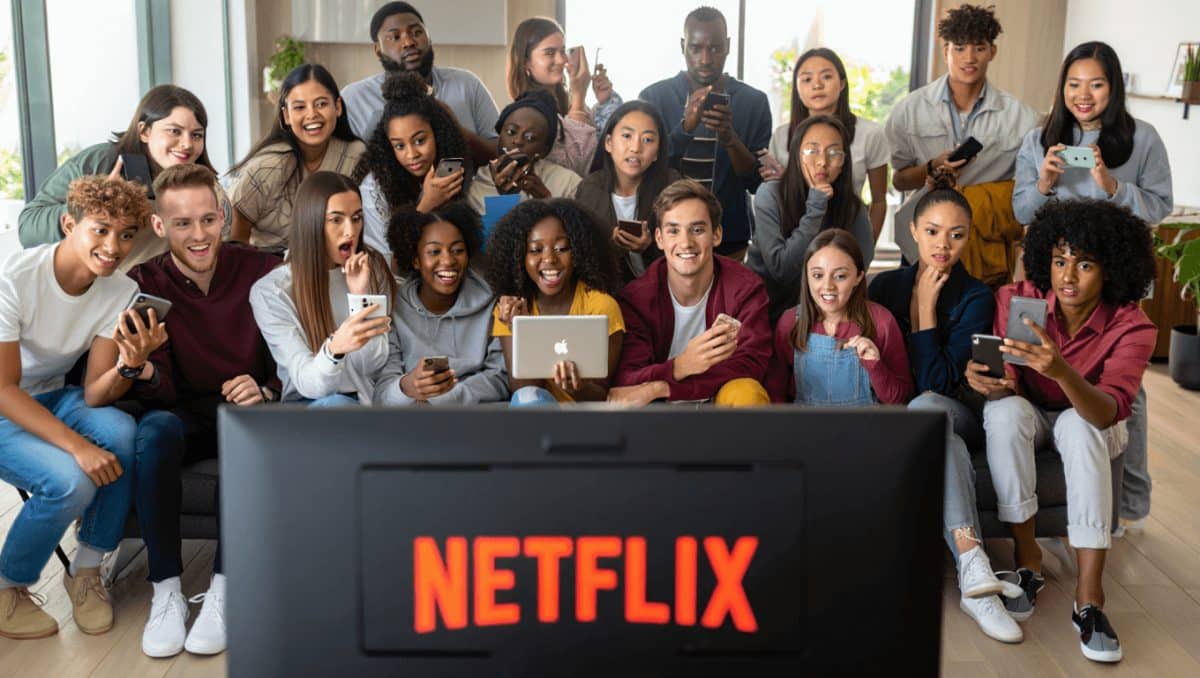
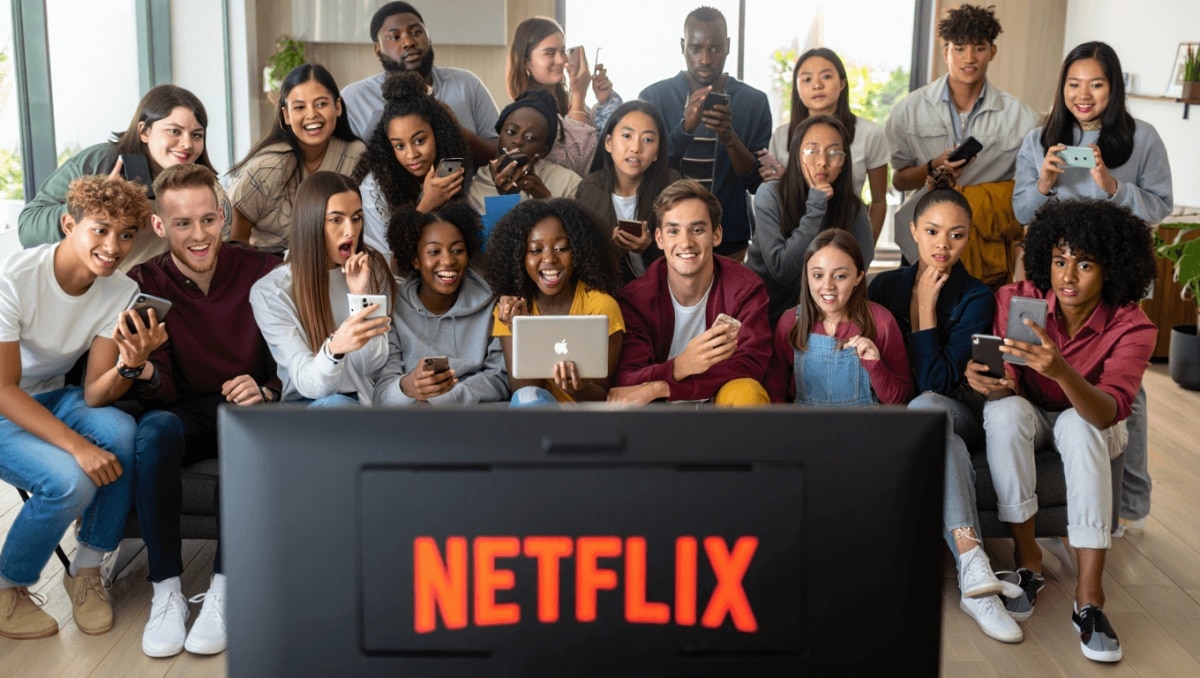
Netflix’s movie take on Emily Henry’s bestseller People We Meet on Vacation prompted a swift wave of reactions on social platforms after the streamer released its first footage this week. The early response matters: it signals how devoted readers, casual viewers and social-media trends could shape the film’s launch and Netflix’s promotion in a crowded release calendar.
Early reactions in plain terms
- 1. Many readers praised the on-screen chemistry, saying the leads capture the novel’s warm tension.
- 2. Some felt the adaptation looks too polished, worrying it may smooth over the book’s sharper emotional edges.
- 3. A contingent applauded the setting and cinematography, calling the visual tone a highlight.
- 4. Others questioned the casting choices, noting differences from their imagined characters.
- 5. Several viewers celebrated the soundtrack snippets, predicting it will be a talking point.
- 6. A number of fans found the trailer’s pacing brisk—enough to intrigue but not spoil.
- 7. Some longtime Emily Henry readers expressed cautious optimism, hoping key scenes remain intact.
- 8. A few critics on social channels flagged dialogue that felt more cinematic than novelistic.
- 9. Reaction threads on Reddit split between those excited to rewatch and those preferring the book.
- 10. Several posts compared this adaptation’s tone to other recent romantic comedies on streaming.
- 11. A small group expressed disappointment over perceived plot changes teased in the trailer.
- 12. Many praised the chemistry in short clips circulating on TikTok and Instagram Reels.
- 13. A portion of the audience commended Netflix’s production values and scale.
- 14. Some viewers joked about re-reading the novel before the film’s release.
- 15. Others warned friends not to judge the movie until seeing the full runtime.
- 16. A noticeable number of reactions focused on wardrobe and styling choices.
- 17. Fans of the romance genre said the teaser hits the emotional beats they expect.
- 18. A few commentators questioned whether the story’s quieter moments would translate to screen.
- 19. Several posts spotlighted a supporting character, suggesting they stole the scene.
- 20. Some viewers praised how the trailer balances humor with intimacy.
- 21. A group of early responders recommended waiting for critic previews before judging.
- 22. Several social threads debated if the adaptation will reach the same cultural footprint as the book.
- 23. A handful of fans urged fellow readers to temper expectations for any adaptation.
- 24. Several reactions turned into memes, amplifying attention beyond core readership.
- 25. Overall, social chatter shows a blend of excitement, guarded concern and fandom-driven promotion.
Netflix’s People We Meet On Vacation movie adaptation draws 25 initial fan reactions
Shane Lowry co-leads Cognizant Classic, seeks redemption after past heartbreak
Why these reactions matter
Early social feedback does more than reflect opinion; it shapes marketing momentum. Positive clips and memes can increase organic reach, while vocal critiques can push the studio to adjust messaging. For a platform like Netflix, which measures success by both immediate viewership and long-term retention, public perception ahead of release is a practical concern.
For readers of People We Meet on Vacation, the stakes are emotional: adaptations often reframe beloved scenes. For casual viewers, the film’s reception signals whether it will join the streamer’s list of rewatchable rom-coms or fade after initial interest.
What to watch for next
How Netflix responds in the coming days—through interviews, clips, or critic screenings—will be telling. Two outcomes are most likely: a steady amplification of praise if the film resonates with early viewers, or a targeted campaign to reassure fans if criticism grows louder.
What readers can do:
- Wait for full reviews from critics and early screenings to form a complete picture.
- Revisit the novel to compare story beats and character nuance.
- Watch social reactions with an eye for recurring points—casting, tone, and faithfulness to the book.
Netflix’s adaptation has already reignited conversation about translating modern romance novels to screen. Whether the film satisfies Emily Henry’s readers or reshapes the story for a wider audience, the coming weeks will show how social response and studio strategy interact around a high-profile release.