Show summary Hide summary
The recent Netflix three-part documentary on America’s Next Top Model has reignited debate around the show’s creative choices — and spawned a fresh wave of TikTok videos that lampoon its most controversial photo shoots. What began as a critical look at production practices has quickly become a digital trend that mixes dark humor with renewed questions about how reality TV treats contestants.
How the TikTok trend started — and what it looks like
Short videos mocking the program’s staging have proliferated across social platforms in the days since the docuseries dropped. Users recreate or exaggerate absurd setups from the show, pairing props and punchlines to mimic the shock-value imagery that once drove headlines.
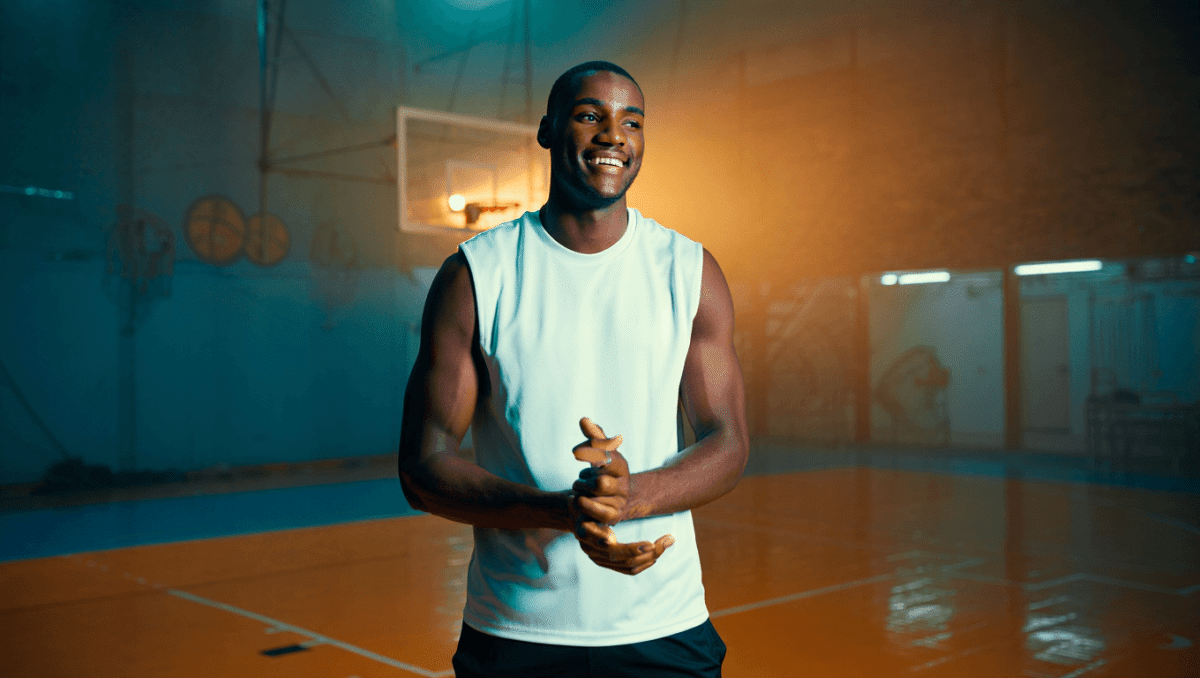
Charlie Hall developing adult basketball comedy ‘C-League’ for Hulu with Alec Berg
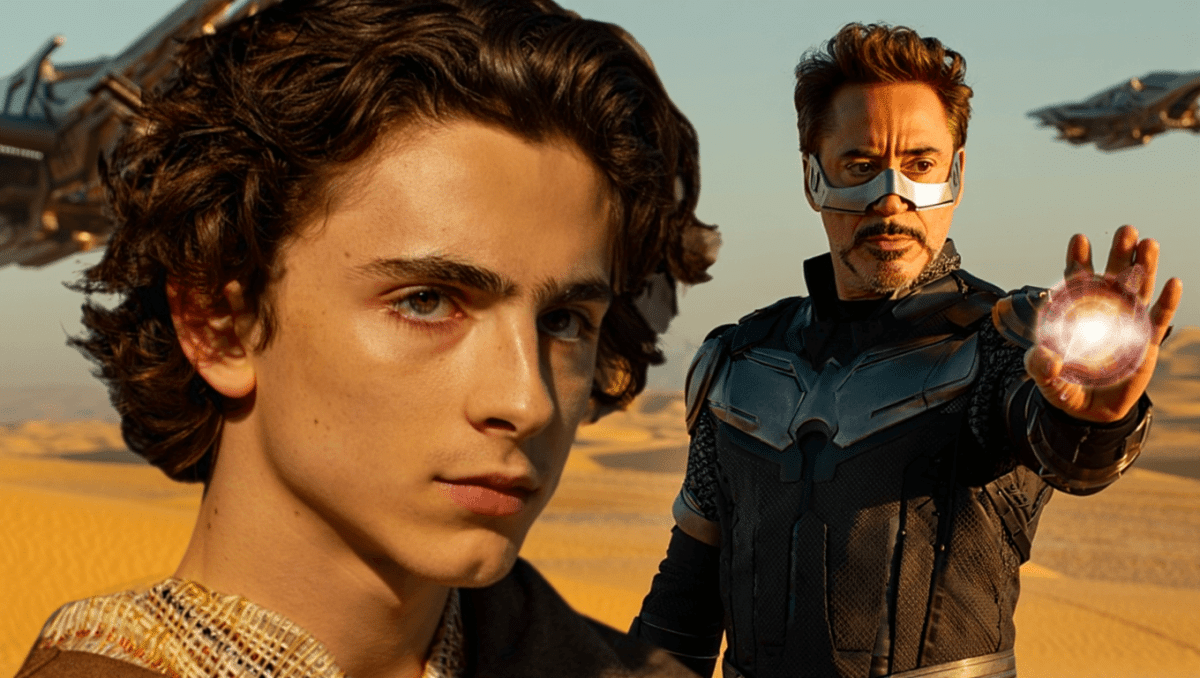
Dune 3 arrives December 18, 2026, same day as Avengers: Doomsday
Examples that have circulated widely include people posing with everyday items reimagined as props — peanut butter smeared on a face to joke about an allergy-themed shoot, or mock construction debris to riff on a staged “accident” scenario. Several former contestants have engaged with the trend, sharing their own tongue-in-cheek recreations and reacting with amusement.
What viewers are actually doing
- Reenacting famous shoots with a comedic twist, often captioned as a fictional prompt from producers
- Using obvious props or exaggerated makeup to highlight the original concepts’ theatricality
- Tagging ex-contestants or the show title, prompting replies from alumni who sometimes join in
Former contestants push back and reminisce
Alumni who appear in the Netflix series have been among those commenting on the viral clips. One prominent former runner-up has posted playful takes recreating a season-specific shoot, while also reflecting on her post-show life — a shift from modeling to television projects and, more recently, a career teaching woodworking.
At the same time, participants featured in the documentary describe more serious aftereffects. Several say producers placed them in setups that collided with personal trauma or risked their safety. In one on-camera account, a contestant recalled being directed to pose in a staged shooting scenario despite disclosing a family history of gun violence during the application process.
What the documentary revealed
The Netflix series reexamines the show’s legacy, documenting how producers frequently pushed contestants into exaggerated, sometimes dangerous or culturally insensitive photo shoots to generate compelling television. The program interviews former staff and models and presents archival footage that viewers say clarifies why many of those scenes now look indefensible.
Highlights from the doc focus on the broader production mindset of the era: networks chasing bigger shocks, styling choices that borrowed from stereotypes, and a competitive TV landscape that rewarded ever-more extreme concepts.
Notable photo shoots critics say crossed the line
- Staged violence: Shoots that simulated gunshots or crime scenes, sometimes involving contestants with personal trauma related to such events
- Risky stunts: Models suspended above markets or ledges for dramatic effect
- Racial insensitivity: Scenes that swapped or exaggerated ethnic traits for concept-driven imagery
- Animal handling: Posing with live animals under potentially unsafe conditions
Why this matters now
The combination of the documentary’s revelations and the viral social-media trend matters for two reasons. First, it has put renewed public attention on ethical standards in reality TV production at a moment when audiences and regulators are scrutinizing how vulnerable participants are treated.
Second, the trend itself raises an uncomfortable question: can turning traumatic or harmful production choices into jokes trivialize the experiences of those who were harmed, or does satire serve as a way to expose and process past wrongdoing? Creators and critics are divided.
Industry and audience implications
Producers may face greater pressure to document consent procedures, participant screening, and safety protocols. Networks could also see reputational consequences as alumni recount long-term impacts and viewers reassess their appetite for spectacle.
For audiences, the trend reopens a conversation about how entertainment is made and who pays the cost. Some viewers treat the TikToks as cathartic satire; others find them flippant in light of the documented trauma the series highlights.
Where former contestants stand today
Several alumni featured in the documentary have moved on to varied careers — from continuing work in media to entirely new trades. A number have expressed mixed feelings: amusement at the parody culture now surrounding their old show, but also a clear desire for accountability and better protections for future participants.
As streaming platforms keep revisiting cultural touchstones, the ANTM case shows how quickly archived television can be reinterpreted — and how social media can turn critique into a viral format. Whether that attention leads to lasting change in reality TV production remains to be seen.