Show summary Hide summary
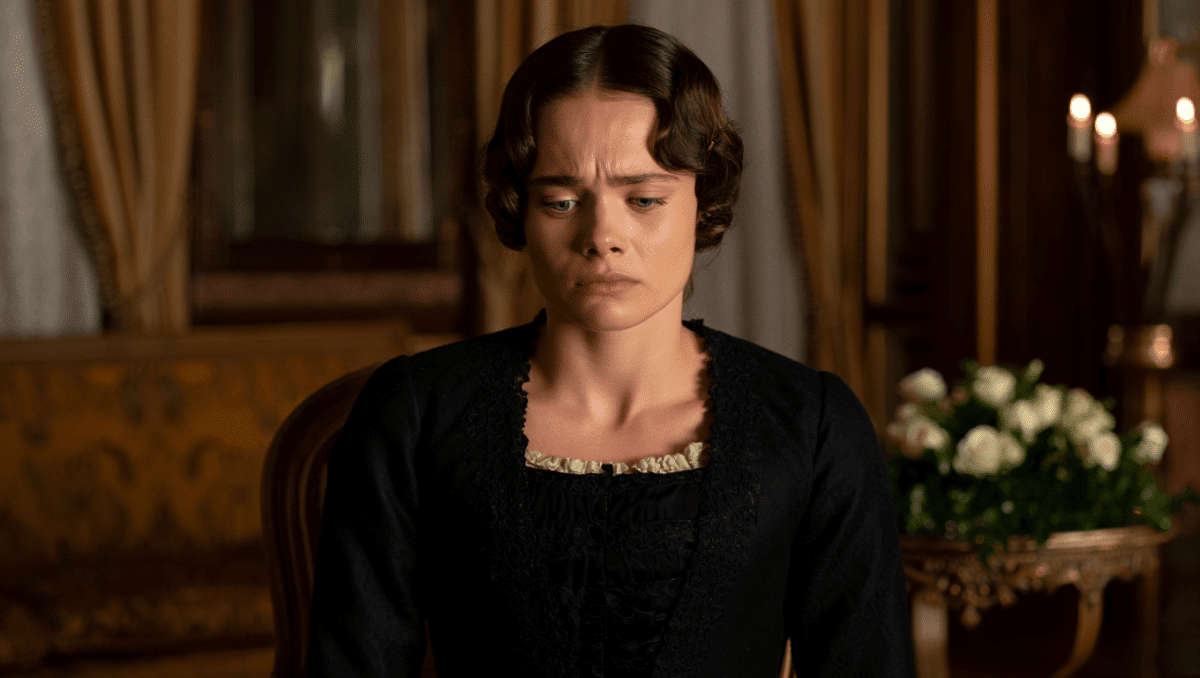
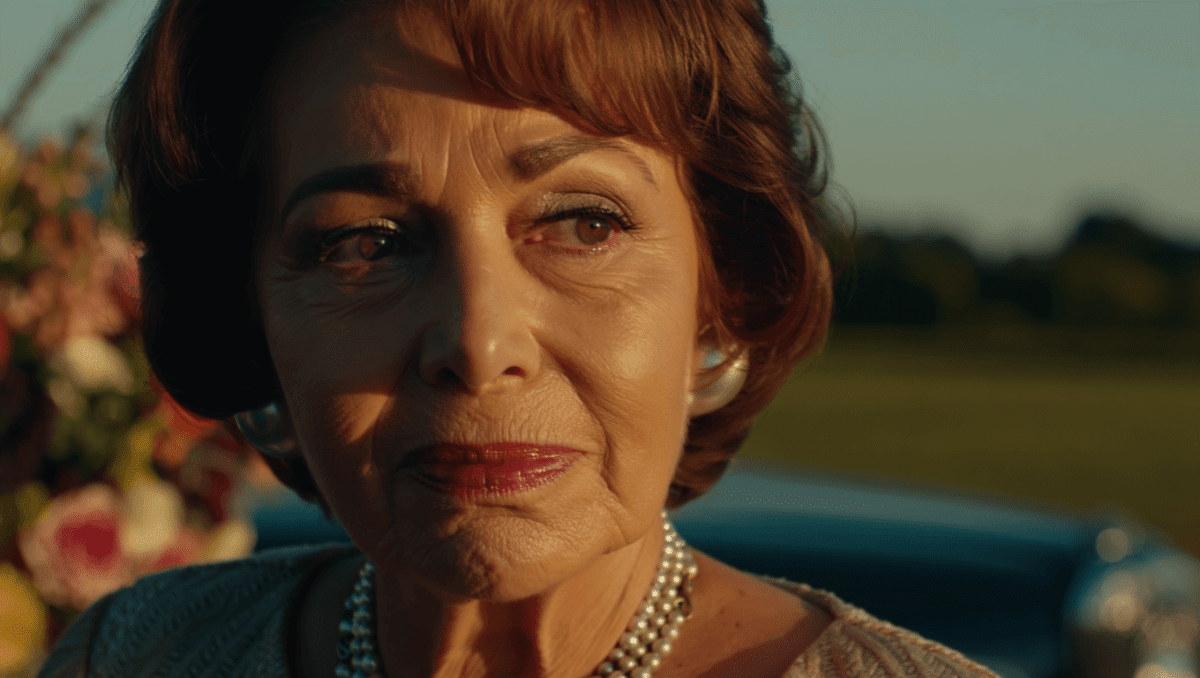
Who is Ethel Kennedy. The 96-year-old widow of Robert F. Kennedy turned personal tragedy into a legacy of global human rights advocacy. After her husband’s June 1968 assassination, Ethel transformed grief into action.
🔥 Quick Facts
- Born: April 11, 1928 in Chicago, Illinois to wealthy businessman George Skakel
- Died: October 10, 2024 at age 96 in Boston from a stroke suffered one week prior
- Founded: Robert F. Kennedy Center for Justice and Human Rights in 1968, months after RFK’s death
- Children: Raised 11 children alone, including Robert F. Kennedy Jr. who became Secretary of Health and Human Services
From Wealthy Upbringing to Kennedy Dynasty Legacy
Ethel Skakel Kennedy was born into privilege as the sixth of seven children in a wealthy Chicago family. Her father, George Skakel, founded Great Lakes Carbon Corporation and built the family fortune in the railroad and industrial sectors. She was raised Catholic by her devout Irish mother, Ann Brannack, ensuring faith would guide her entire life. In 1945, while attending Manhattanville College, Ethel met Robert F. Kennedy during a ski trip to Quebec, beginning a romance that would reshape American history.
After marrying Robert in 1950 at St. Mary Church in Greenwich, Connecticut, Ethel became embedded in the Kennedy dynasty. She campaigned for her brother-in-law President John F. Kennedy and supported Robert’s work as Attorney General under JFK’s administration. The couple purchased Hickory Hill, their legendary Virginia estate, where they hosted intellectuals, artists, and politicians. Between 1951 and 1968, Ethel gave birth to 11 children while maintaining her role as a political confidante and public figure.
Ethel Kennedy was social activist who championed human rights after RFK’s death
Traitors reunion airs dramatic finale, Rob’s shocking betrayal leaves cast shocked
Transforming Tragedy Into a Movement for Justice
On June 5, 1968, Robert F. Kennedy was shot at the Ambassador Hotel in Los Angeles by Sirhan Sirhan. He died the following day at age 42. Ethel was present at the scene, three months pregnant with their youngest child, Rory Kennedy. The assassination devastated the nation and left Ethel a widow at age 40 with 11 children ranging from ages 3 to 17. Rather than retreat into private grief, she made a fateful decision. According to biographer Evan Thomas, Ethel stated she would never remarry, instead dedicating herself to furthering Robert’s work and legacy.
Within months of Robert’s death, Ethel founded the Robert F. Kennedy Center for Justice and Human Rights, now known simply as Robert F. Kennedy Human Rights. This organization became the vehicle through which she channeled her activism. The center advanced causes including gun control, environmental protection, mental health advocacy, and international human rights. In March 2016, at age 88, Ethel still marched near Wendy’s chairman’s home with farmworkers, demanding wage increases for field workers at one cent per pound of tomatoes. Her tireless commitment never wavered.
A Life of Accomplishments and Recognition
| Honor | Year |
| Robert F. Kennedy Medal | 1981 |
| Ethel Kennedy Bridge Renamed | 2014 |
| Presidential Medal of Freedom | 2014 |
| Documentary ‘Ethel’ Release | 2012 |
In 1981, President Ronald Reagan honored Ethel with the Robert F. Kennedy Medal in the White House Rose Garden. In 2014, President Barack Obama awarded her the Presidential Medal of Freedom, recognizing her dedication to social justice, human rights, environmental protection, and poverty reduction. That same year, a bridge over the Anacostia River in Washington, D.C., was renamed the Ethel Kennedy Bridge in her honor. Her daughter Kerry Kennedy served as president of the human rights center, continuing the family mission. Several notable lives emerged from her 11 children: Kathleen Kennedy Townsend served as Maryland’s Lieutenant Governor, Joseph P. Kennedy II represented Massachusetts in Congress, and Robert F. Kennedy Jr. became a prominent public figure.
In 2012, her youngest child Rory Kennedy directed a documentary titled Ethel, chronicling her mother’s life through interviews, family videos, and archival photographs. The film captured how Ethel raised her children while maintaining her advocacy work. Taylor Swift even drew inspiration from Ethel’s love story for her song Starlight, mentioning meeting Bobby on the boardwalk and the promise of ten kids and teaching them how to dream, referencing Ethel’s journey with eleven children.
The Matriarch’s Final Years and Global Impact
In her final decades, Ethel remained active in Democratic politics and social causes. She hosted a $6 million fundraising dinner for Barack Obama at Hickory Hill in June 2008, headlined by former DNC chairman Howard Dean. She endorsed Obama during the 2008 primary and attended countless events supporting human rights. Late in life, Ethel resided between the Kennedy Compound in Massachusetts and Palm Beach, Florida, surrounded by family. She witnessed her family grow to include 9 surviving children and 34 grandchildren. Her work with the human rights organization expanded globally, investigating injustice in dozens of countries and advancing causes she believed would honor Robert’s unfulfilled vision.
Ethel Kennedy died peacefully on October 10, 2024, in Boston after suffering a stroke during the previous week. President Joe Biden, former presidents Barack Obama and Bill Clinton all delivered eulogies at her memorial service on October 16 at the Cathedral of Saint Matthew the Apostle in Washington, D.C. Artist Sting performed Fragile at her funeral service. She was buried at Arlington National Cemetery beside her husband Robert, their graves now a pilgrimage site for those seeking to honor American activism and hope.
“She transformed her personal tragedy into a lasting legacy of public service and global leadership. The country has lost one of our greatest moral voices.”
— Public Statement following Ethel Kennedy’s death in October 2024
How Did Ethel Kennedy’s Activism Shape Modern Human Rights?
Ethel Kennedy’s approach to human rights was rooted not in rhetoric but in relationships and dignity. She believed every person deserved respect and opportunity regardless of circumstance. Unlike many activists who worked from offices, Ethel traveled to remote villages in Mexico to support indigenous activists, visited prisons in California to investigate justice system failures, and marched alongside farmworkers decades into her life. Her organization documented human rights abuses across continents, honored brave activists through prestigious awards, and trained a new generation of justice advocates. The Robert F. Kennedy Human Rights organization eventually rebranded itself to honor both Robert and Ethel Kennedy, recognizing her equal contributions to the mission. Today, scores of nonprofits cite her as inspiration for their work. Universities study her methods. Young activists trace their path to her example. What began as one widow’s determination to honor her husband evolved into a global movement proving that sustained commitment, genuine compassion, and unwavering principle can reshape nations and inspire generations yet unborn.
Sources
- Wikipedia – Comprehensive biography and timeline of Ethel Kennedy’s life, legacy, and achievements
- NPR – Coverage of Ethel Kennedy’s death and her role as social activist and human rights advocate
- JFK Library – Official documentation and historical records about Ethel Skakel Kennedy’s biography